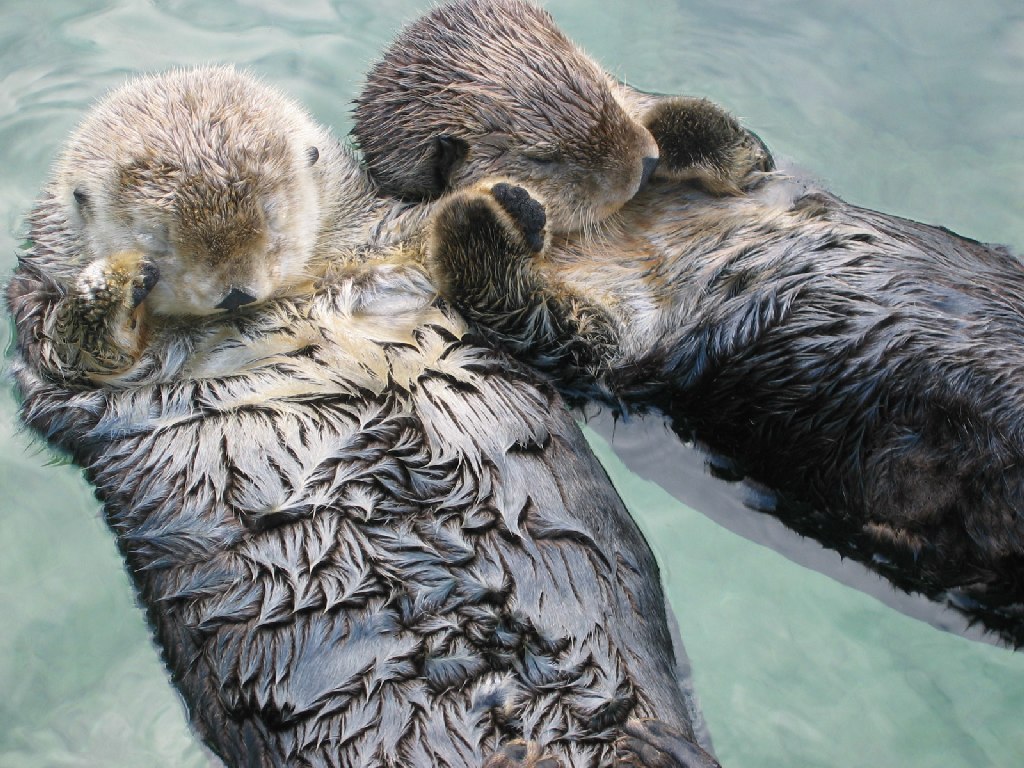
- Why Do Sea Otters Hold Hands While Sleeping? The Kelp Connection
- The Science of Rafting
- Kelp "Seatbelts" — When Hands Are Full
- Sea Otters Hold Hands to Stay Safe From Predators
- A United Front Against Sharks and Eagles
- Anchoring Together in High-Risk Zones
- The Practical Benefits of Hand-Holding Beyond Cuteness
- Reducing Heat Loss
- Strengthening Social Bonds
- Keeping the Group Together During Drift Sleep
- Understanding the Sea Otter: Size, Diet, and Habitat
- A Voracious Appetite
- Habitat and Range
- A Day in the Life: Grooming, Feeding, and Resting
- The Importance of Grooming
- Feeding Frenzies and the Marine Forest
- The Special Bond Between Mothers and Pups
- Why Mothers and Pups Never Let Go
- A Remarkable Fact About Adoption
- Conservation: Protecting the Sea Otter's Future
- Current Threats
- How Long Do Sea Otters Live?
- The Cute Truth: Why This Behavior Matters
- ❓ Frequently Asked Questions
Sea otters hold hands while sleeping, and the sight is so endearing that it has become one of nature's most beloved viral images — but this adorable behavior is far more than just a cute party trick. Known as "rafting," the act of sea otters linking paws with one another while dozing on the ocean's surface is a survival strategy honed by millions of years of evolution, blending social bonding, predator defense, and practical energy conservation into one fuzzy bundle of charm. To truly appreciate why sea otters hold hands, you have to look beyond the undeniable "aww" factor and understand the challenging, cold, risky world these marine mammals inhabit every single day.
Why Do Sea Otters Hold Hands While Sleeping? The Kelp Connection
Sea otters are the only marine mammals capable of lifting and holding their prey with their forepaws, and they are also the only ones that regularly float on their backs. When it's time to sleep, they face a serious problem: the ocean is a vast, moving environment with currents, winds, and tides that can carry a sleeping otter miles away from its feeding grounds or family group. To solve this, sea otters have developed two main anchoring techniques, and hand-holding is one of them.
The Science of Rafting
Groups of resting sea otters are collectively called a "raft," and a single raft can contain anywhere from a handful of individuals to over a thousand animals. When otters in a raft settle down for a nap, they often reach out and grasp the paws of their neighbors. This interlocking chain of paws acts like a living anchor line. If one member of the raft starts to drift, the tension in the linked paws gently pulls the others, and the entire group slowly moves together rather than scattering across miles of ocean. In particularly large groups, researchers have observed otters forming long chains, with each animal holding onto the paws of another on either side, creating a floating web of sleeping mammals.
Kelp "Seatbelts" — When Hands Are Full
When a sea otter decides to nap alone, or when it has a pup to care for, it often turns to another brilliant solution: wrapping itself in giant kelp. The otter will roll over several times in the water, wrapping strands of kelp around its body, creating a natural tether that keeps it anchored to a fixed spot on the ocean floor. This technique, sometimes called "kelp mooring," is especially common in areas where currents are strong. Interestingly, scientists have noted that otters in high-energy environments tend to use kelp more frequently than hand-holding, because a single otter wrapped in seaweed is more secure than a chain of loosely linked paws. Those that do hand-hold are usually in calmer waters where the risk of being torn apart by the current is lower. So, the next time you see a viral video of otters floating hand in paw, remember that they are essentially using each other as living buoys in a three-dimensional, ever-shifting landscape.
Sea Otters Hold Hands to Stay Safe From Predators
While staying together is important for navigation, there is an even more urgent reason why sea otters hold hands in groups: safety from predators. Sea otters are relatively small marine mammals, making them vulnerable to a range of ocean hunters, and sticking together offers a critical line of defense.
A United Front Against Sharks and Eagles
In the waters of the North Pacific, sea otters face threats from great white sharks, orcas, and, especially for pups, bald eagles. A solitary sleeping otter is an easy target. But a raft of otters, with many eyes — or rather, many whiskered snouts and alert ears — dramatically increases the chances that one individual will detect danger in time.
When an otter senses a threat, it will slap the water's surface with its tail or emit a warning whistle. Because otters in a raft are physically connected, that alarm travels through the group almost instantly. In the critical seconds between detection and attack, a raft can scatter in eight different directions, confusing a predator that expects a single, easy meal. Additionally, researchers believe that the sheer visual confusion of a tightly clustered, moving raft makes it harder for a shark or orca to single out one individual. Group living, and by extension hand-holding, is a classic predator-dilution strategy: the more animals in the group, the lower the chance that any one individual becomes the victim.
Anchoring Together in High-Risk Zones
Interestingly, studies of wild sea otter populations along the California coastline have shown that rafts tend to be larger and hand-holding more frequent in areas where white shark activity is higher. Otters in protected bays, where predators are scarce, are more likely to spread out and sleep individually, often using kelp. This behavioral flexibility suggests that the decision to hold hands is not merely instinctual but is partly driven by real-time risk assessment. The cuteness, it turns out, has a hard-edged survival logic baked into it. By locking paws, otters are essentially telling each other: "If a shark comes, we all know at once, and we all go together — and that's exactly why we'll all survive."
The Practical Benefits of Hand-Holding Beyond Cuteness
Biologists have identified several additional practical functions of this beloved behavior, ranging from energy conservation to pair bonding. These benefits explain why sea otters hold hands not just during deep sleep but also while resting, grooming, and even feeding.
Reducing Heat Loss
Sea otters inhabit cold waters, where temperatures can hover around 35–60°F (2–15°C) depending on the region. Unlike most other marine mammals, sea otters lack a thick layer of blubber. Instead, they rely on the densest fur of any animal on Earth — up to one million hairs per square inch — to trap a layer of air against their skin. But their paws, faces, and flippers have less fur coverage. By holding paws and drifting close together, otters reduce the exposed surface area of these poorly insulated extremities. This "huddling" behavior, common in many social mammals from penguins to primates, helps the group collectively maintain a warmer microclimate, reducing the energy each otter must expend to stay warm.
Strengthening Social Bonds
Hand-holding also serves as a social glue. Research on captive otters at aquariums like Monterey Bay Aquarium and the Seattle Aquarium has shown that individual otters have preferred "friends" — animals they choose to groom, rest, and, yes, hold hands with repeatedly. Rafts are not random collections of individuals; they are complex social networks with hierarchies and alliances. Hand-holding reinforces these bonds, reduces stress, and may play a role in cooperative behaviors like shared vigilance or even cooperative foraging, where groups of otters herd fish together in a coordinated manner.
Keeping the Group Together During Drift Sleep
Sea otters experience bouts of sleep that can last anywhere from a few minutes to over an hour. During REM sleep, muscles relax and an otter's body goes limp. Without any physical connection, even a mild current could separate an otter from its group. Hand-holding ensures that when the otter wakes, it is still surrounded by familiar individuals in a familiar location — essential for survival in an environment where getting lost means losing access to known food patches and safe resting spots.
- Energy conservation: Reduced exposure of extremities means less heat loss and fewer calories burned.
- Predator awareness: Physical contact transmits alarm signals through the raft instantly.
- Social cohesion: Regular hand-holding strengthens bonds that support cooperative behaviors.
- Drift prevention: Linked paws keep the raft from scattering on ocean currents.
Understanding the Sea Otter: Size, Diet, and Habitat
To truly appreciate why sea otters hold hands, it helps to know exactly who these animals are. The sea otter (Enhydra lutris) is the largest member of the weasel family, but it is also the smallest marine mammal in North America. Adults typically measure between 1.2 and 1.5 meters (4 to 5 feet) in length, and they weigh anywhere from 14 to 45 kilograms (30 to 100 pounds), with males significantly larger than females. They are found in coastal waters of the North Pacific, from northern Japan and Russia through the Aleutian Islands and down to the central coast of California.
A Voracious Appetite
Sea otters are carnivorous predators with one of the highest metabolic rates of any mammal. To fuel their bodies and maintain their core temperature, they must consume roughly 25 to 30 percent of their body weight in food every single day. An adult male weighing 30 kilograms will eat 7 to 9 kilograms of seafood daily. Their diet consists largely of sea urchins, crabs, clams, mussels, abalone, snails, and occasionally fish and octopus.
Sea otters are famously one of the few animals that use tools. They will pick up a rock from the seafloor, place it on their chest, and smash a hard-shelled clam or urchin against it while floating on their backs. They even have a specialized pouch of loose skin under their armpits — a built-in pocket — where they store food and a favorite rock for later use. This tool-using ability has made them the subject of intense study and a favorite among aquarium visitors worldwide.
Habitat and Range
Sea otters live in nearshore marine environments, usually within one kilometer of the coastline, at depths of less than 40 meters where they can dive to the seafloor. They prefer areas with abundant kelp forests, as these provide both food and the anchoring material they rely on for sleeping. Historically, sea otters numbered between 150,000 and 300,000 across their entire range. However, the fur trade of the 18th and 19th centuries decimated their populations, and today, only around 125,000 remain, with the southern sea otter subspecies in California listed as threatened under the Endangered Species Act.
A Day in the Life: Grooming, Feeding, and Resting
Sea otters live life at a frantic pace. Their daily schedule is largely divided between feeding, grooming, resting, and — in the case of mothers — caring for their young. Understanding this routine makes their sleeping behavior even more remarkable.
The Importance of Grooming
Because sea otters lack blubber, their survival depends on the integrity of their fur. If the fur becomes matted or dirty, the insulating air layer is lost, and the otter will rapidly lose body heat and die of hypothermia. As a result, sea otters spend up to a quarter of their waking hours grooming. They rub their fur vigorously with their paws, blow air into it, and use their mouths to untangle fibers. This obsessive self-care is the price of living in a frozen world without a layer of fat. Hand-holding even plays a role here: soon after waking, otters in a raft will often groom each other, and the initial paw-to-paw contact from sleeping transitions naturally into mutual grooming sessions.
Feeding Frenzies and the Marine Forest
Sea otters feed at multiple times throughout the day, but they are most active during dawn and dusk. A typical feeding bout involves foraging on the seafloor, where they use their highly sensitive forepaws to locate prey by touch in the murky depths. They can hold their breath for up to five minutes and dive to depths of 100 meters, though most dives are shallower.
Their role as predators of sea urchins is ecologically critical. Urchins graze on the holdfasts of kelp, and unchecked urchin populations can decimate entire kelp forests. By keeping urchin numbers in check, sea otters promote the growth of kelp forests, which in turn provide habitat for countless fish, invertebrates, and — fittingly — more kelp for otters to wrap themselves in during nap time. Scientists consider sea otters a keystone species for this reason. Where otters thrive, kelp forests flourish, and the entire coastal ecosystem benefits, including carbon sequestration and fish nursery habitats.
The Special Bond Between Mothers and Pups
Of all the images of sea otters holding hands, none are more heart-wrenching than those of a mother otter sleeping with her pup. This behavior is not just adorable; it is an essential survival mechanism for one of the most vulnerable stages of an otter's life.
Why Mothers and Pups Never Let Go
Sea otter pups are born weighing just 1.5 to 2 kilograms (3 to 5 pounds), with a thick, fluffy coat of natal fur that makes them extremely buoyant. In fact, a newborn pup cannot dive at all — it simply floats on the surface like a cork. The first weeks of a pup's life are spent entirely on its mother's belly, where it nurses, sleeps, and is groomed. When the mother must dive to forage, she will sometimes wrap her pup in kelp to keep it anchored at the surface — a temporary babysitting technique that keeps the pup from floating away. She leaves it floating safely like a fuzzy buoy, returning to retrieve it after each dive.
When the pair sleeps, the mother holds the pup on her chest with one or both forepaws. If she were to let go, the pup, due to its buoyant fur, would drift away even faster than she could swim after waking. Hand-holding between a mother and pup is thus a literal lifeline. This behavior continues for months until the pup learns to dive and groom itself effectively, typically at around six to eight months of age, though some mothers maintain a close relationship — and occasional paw-holding — for over a year.
A Remarkable Fact About Adoption
Sea otter mothers are known to occasionally adopt orphaned pups. Researchers at the Monterey Bay Aquarium's sea otter program have documented instances where a wild or rehabilitating female accepted an unrelated pup and raised it as her own, carrying and holding it with the same protective intensity. This suggests that the maternal drive to hold and protect is deeply ingrained in the species — and it is a behavior researchers leverage to teach orphaned pups how to become wild. The aquarium's surrogate-rearing program pairs stranded pups with adult female otters that act as surrogate mothers, teaching them to forage and sleep while holding paws, before releasing them to the wild with an impressive success rate.
Conservation: Protecting the Sea Otter's Future
The cuteness of sea otters holding hands has made them icons of wildlife conservation, but they remain a species in recovery. Their populations face ongoing threats that habitat protection alone cannot solve.
Current Threats
Oil spills are perhaps the gravest danger. Because sea otters rely entirely on their fur for insulation, a single oil spill can disable the waterproofing of their coats, leading to rapid hypothermia and death. The 1989 Exxon Valdez spill in Alaska killed thousands of sea otters, and the population in that region has never fully recovered to pre-spill numbers. Other threats include entanglement in fishing nets, boat strikes, disease from land-based pathogens, and food limitations in areas where their prey has been overfished.
How Long Do Sea Otters Live?
In the wild, sea otters have a lifespan of 15 to 20 years, with females typically living longer than males, who frequently die of injuries sustained during aggressive courtship behaviors. In human care, they can live into their mid-20s; the oldest known sea otter in an aquarium lived to be around 28 years old. Given their relatively long lives and complex social structures, the loss of even a few adults in a raft can have cascading effects on the group's stability.
Conservation efforts have made a tangible difference. Legal protections such as the Marine Mammal Protection Act, international treaties, and dedicated rehabilitation programs have allowed some populations to grow by 5 to 7 percent per year. However, scientists estimate that the California sea otter population needs to exceed 3,000 individuals — a threshold recently surpassed — to be considered delisted from the threatened species list. Every successful conservation story helps ensure that future generations of humans can continue to watch these animals, paws linked, bobbing peacefully in the kelp.
The Cute Truth: Why This Behavior Matters
Sea otters hold hands while sleeping because, in the cold, vast, predator-filled Pacific Ocean, solitude is a death sentence. The image of these animals sleeping paw-in-paw, eyes closed, drifting gently as one, is a perfect metaphor for their lives: they survive only through connection — to each other, to the kelp forests they nurture, and to the fragile ecosystems they call home. The cuteness is real, but it is also a window into millions of years of evolutionary problem-solving. The more we understand why sea otters hold hands, the more we recognize that protecting them means protecting the social and ecological fabric that makes this behavior possible. And that, in every sense, is worth holding onto.
❓ Frequently Asked Questions
💬 Why do sea otters hold hands while sleeping?
Sea otters hold hands, or 'raft,' to keep from drifting apart while they sleep on the water's surface. Since they have no blubber to stay warm, they also rely on each other's body heat and their thick fur. This behavior is especially common among groups, helping them stay safe and together in strong currents.
💬 Do mother sea otters hold their babies' hands while sleeping?
Yes, mother sea otters often hold their pups or place them on their bellies while floating and sleeping. This keeps the pup from drifting away and protects it from predators. Pups are unable to dive or swim well for their first few months, so this close contact is crucial for survival.
💬 What is it called when sea otters hold hands?
When sea otters hold hands in a group while resting, it is called 'rafting.' A group of floating sea otters is known as a raft, and holding paws is a way to stay linked as a unit. This behavior helps keep the entire raft from drifting apart on the ocean.
💬 Do sea otters hold hands with other animals?
No, sea otters only hold hands with other sea otters, not with other animal species. The behavior is a social bonding and survival mechanism within their own species, primarily for safety and warmth. While they may occasionally interact with other marine animals, the famous hand-holding is exclusive to otters.