- Why Snakes Shed Their Skin: The Core Reasons
- Growth and the Limits of a Stretchy Skin
- Repair and Renewal
- Parasite Removal
- How Snakes Shed Their Skin: A Step-by-Step Process
- The Blue Phase
- The Shed Itself
- Why One Piece Matters
- How Often Do Snakes Shed Their Skin?
- Famous Examples: Shedding Across Species
- Ball Pythons
- Corn Snakes
- Burmese Pythons
- King Cobras
- What Can Go Wrong: Retained Sheds and Other Problems
- Dysecdysis (Difficult Shedding)
- How to Help a Snake Shed
- Shedding in the Wild vs. Captivity
- Fascinating Facts About Snake Shedding
- The Peeled Truth: What Shedding Tells Us
- ❓ Frequently Asked Questions
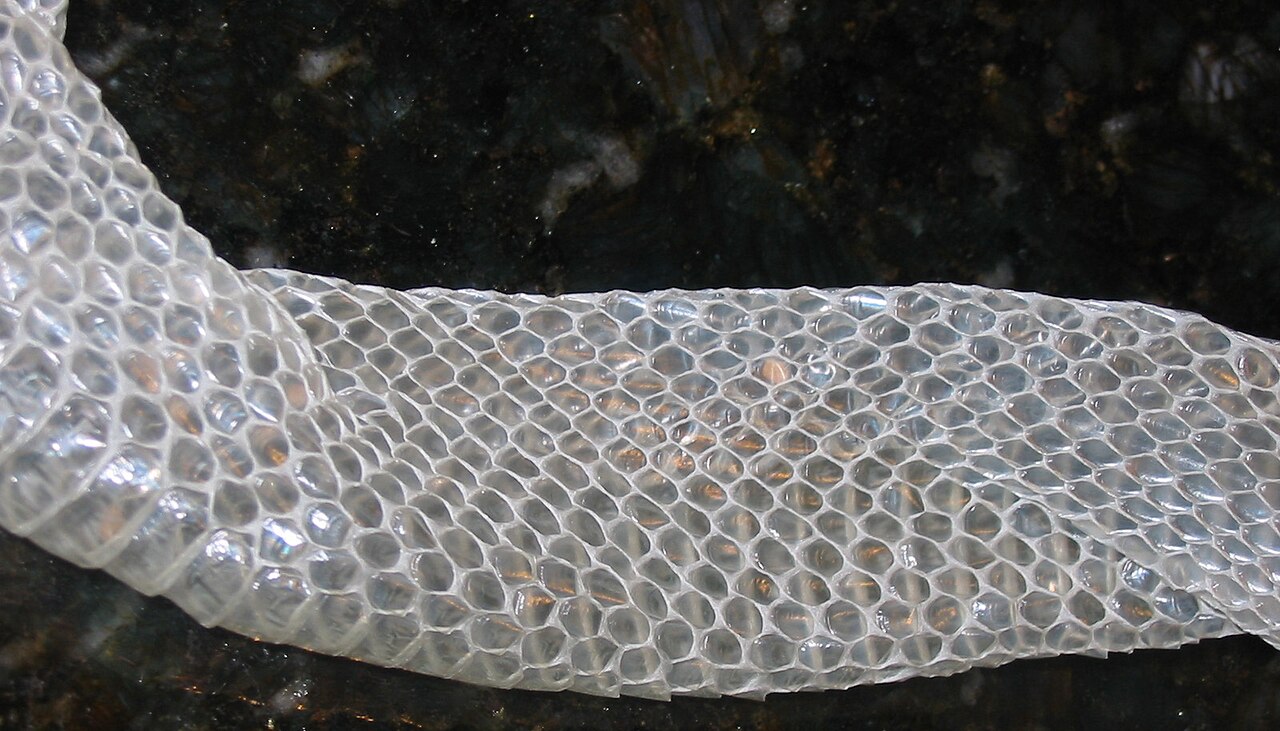
Every snake owner has seen it: a ghostly, translucent copy of your pet draped across the terrarium, complete with scales, eye caps, and even the faint outline of a mouth. It looks like a small miracle, and in a way it is. Snakes shed their skin as a routine biological necessity, not a sign of illness or a one-off event, and the process is one of the most remarkable feats in the reptile world. But why do snakes do it, how does it work, and what can go wrong when it doesn't? This article peels back the layers — literally — to explain the science, the mechanics, and the practical side of snake shedding.
Why Snakes Shed Their Skin: The Core Reasons
Shedding, scientifically called ecdysis, is the periodic replacement of the outer layer of skin. All reptiles do it, but snakes have turned it into something close to an art form. The reasons come down to growth, repair, and parasite control.
Growth and the Limits of a Stretchy Skin
Unlike mammals, which grow continuously and stretch their skin as they go, a snake's skin is largely fixed in size once it hardens. As the animal adds body mass, the old skin becomes tight and worn. Shedding allows the snake to replace the outer layer with a fresh, larger one that accommodates its new dimensions. Young, fast-growing snakes shed frequently — sometimes every two to four weeks. A hatchling corn snake might shed every three weeks during its first year, while a mature adult of the same species may shed only three or four times a year.
Repair and Renewal
The outer skin of a snake is constantly exposed to abrasive surfaces, UV light, and the wear and tear of squeezing through tight crevices. Shedding removes damaged, weathered tissue and replaces it with intact scales that maintain the animal's waterproof barrier. This is why a freshly shed snake looks almost polished — the new skin underneath is unblemished and highly reflective.
Parasite Removal
Mites and ticks that cling to the outer skin are often discarded along with the shed. For wild snakes, this is a meaningful hygiene benefit. Captive keepers sometimes find mites trapped in the shed skin, which is one reason a clean shed is a good sign of a healthy animal.
How Snakes Shed Their Skin: A Step-by-Step Process
The mechanics of shedding are more complex than simply "crawling out of a skin suit." The process unfolds over roughly one to two weeks and involves distinct physiological stages.
The Blue Phase
Before shedding, the snake's skin begins to look dull and cloudy, and the eyes turn a milky blue or gray. This is caused by fluid accumulating between the old and new skin layers, and by the loosening of the spectacle — the clear scale that covers the eye. During this "blue phase," many snakes become reclusive, refuse food, and hide. Their vision is impaired, and they are vulnerable, so they avoid activity. After a few days, the blue clears, the eyes look normal again, and shedding is typically imminent — usually within 24 to 72 hours.
The Shed Itself
To start shedding, the snake rubs its snout against a rough object — a rock, a branch, the edge of a water bowl — to loosen the skin around the mouth. It then works its body forward, peeling the old skin backward like a sock being rolled off. The skin usually comes off in one continuous piece, turned inside out. The entire process can take anywhere from a few minutes to several hours, depending on the snake's size and health.
Why One Piece Matters
A complete, unbroken shed — including the eye caps — is a hallmark of good health. When shedding is patchy or fragmented, it usually signals a problem: low humidity, dehydration, illness, or a lack of rough surfaces to rub against. Keepers often check the shed for the two tiny eye caps, since retained eye caps can cause serious problems if left in place.
How Often Do Snakes Shed Their Skin?
Shedding frequency varies enormously across species, age, and environment. There is no single answer, but some general patterns hold true.
- Hatchlings and juveniles: Every two to four weeks during rapid growth phases.
- Adults: Every one to three months for many common species.
- Large constrictors: A healthy adult ball python may shed every four to eight weeks; a Burmese python may shed every six to ten weeks.
- Slow-growing species: Desert-dwelling snakes with limited food may shed only three or four times a year.
- Injury or illness: Snakes sometimes shed more frequently to repair damaged skin.
Captive snakes often shed more predictably than wild ones because their environment is stable and their food supply is consistent. Wild snakes may shed less during dry seasons or periods of low food availability.
Famous Examples: Shedding Across Species
Different species have different shedding patterns, and a few stand out for their size, speed, or peculiarities.
Ball Pythons
Native to West and Central Africa, ball pythons (Python regius) are among the most popular pet snakes in the world. Adults typically reach 3 to 4.5 feet (0.9 to 1.4 meters) and can live 20 to 30 years in captivity. They shed every four to eight weeks as adults. Their shedding is highly humidity-dependent: keepers aim for 60 to 80 percent humidity during a shed to ensure the skin comes off in one piece.
Corn Snakes
Corn snakes (Pantherophis guttatus) are native to the southeastern United States, typically growing to 3 to 5 feet (0.9 to 1.5 meters) and living 15 to 20 years in captivity. They are hardy, fast-growing, and shed frequently as juveniles — sometimes every two to three weeks. Their sheds are often nearly transparent, making them easy to inspect for completeness.
Burmese Pythons
One of the largest snakes in the world, the Burmese python (Python bivittatus) can exceed 16 feet (5 meters) and weigh over 150 pounds (68 kilograms) in exceptional cases. These giants shed large, thick skins that can be several feet long. In the Florida Everglades, where Burmese pythons are an invasive species, researchers sometimes use shed skins to confirm the presence of the snakes in an area.
King Cobras
The king cobra (Ophiophagus hannah) is the world's longest venomous snake, reaching up to 18 feet (5.5 meters). It sheds several times a year, and its shed skin — with its distinctive hood scales — is often collected by researchers and enthusiasts. King cobras are also unusual in that they build nests and guard their eggs, a rare behavior among snakes.
What Can Go Wrong: Retained Sheds and Other Problems
Shedding is usually uneventful, but problems do occur — especially in captivity, where humidity and husbandry are controlled by humans.
Dysecdysis (Difficult Shedding)
When skin fails to come off completely, the condition is called dysecdysis. Common causes include:
- Low humidity: The single most common cause in captive snakes.
- Dehydration: Often linked to low humidity or inadequate water access.
- Lack of rough surfaces: Snakes need something to rub against to start the shed.
- Mites or skin infections: These can disrupt the shedding process.
- Nutritional deficiencies: Poor diet can affect skin health.
Retained eye caps are a particular concern. If the spectacle fails to come off, it can accumulate over successive sheds, causing infection or vision problems. Retained shed around the tail tip can constrict blood flow and, in severe cases, cause tissue death. Keepers should always check the shed for completeness and inspect the snake's tail tip and eyes after each shed.
How to Help a Snake Shed
If a shed is incomplete, the standard approach is to raise humidity, provide a humid hide (a container with damp sphagnum moss), and allow the snake to work the skin off naturally. Soaking in shallow, lukewarm water can help loosen stuck skin. Never pull shed skin off forcefully, especially around the eyes or tail — this can damage the underlying tissue.
Shedding in the Wild vs. Captivity
Wild snakes face different challenges than captive ones. In the wild, humidity fluctuates with weather and season, and suitable rubbing surfaces are not always available. Wild snakes often seek out damp, sheltered spots — under logs, in burrows, or near water — to shed. Some species, like water snakes, may shed near or even in water.
Captive snakes, by contrast, depend entirely on their keepers to provide the right conditions. A well-set-up terrarium with appropriate humidity, a water bowl, and rough decor makes shedding reliable. This is one reason responsible reptile keeping emphasizes species-specific husbandry: a desert species like a hognose snake needs different humidity than a tropical ball python.
Fascinating Facts About Snake Shedding
- The shed is inside out: Because the snake crawls forward out of its skin, the shed is typically turned inside out, with the scales reversed.
- Eye caps are part of the shed: The clear spectacle over each eye is shed along with the rest of the skin.
- Sheds are used in research: Scientists can extract DNA from shed skins, making them a non-invasive way to study wild populations.
- Some cultures prize shed skins: Snake sheds have been used in traditional medicine and crafts, though their use is often controversial and regulated.
- Shedding is energy-intensive: The process requires significant physiological effort, which is why many snakes fast during the blue phase.
- Not all sheds are complete: Even healthy snakes occasionally leave a patch behind, especially in dry conditions.
The Peeled Truth: What Shedding Tells Us
A shed skin is more than a curiosity — it is a health record. A complete, one-piece shed with intact eye caps tells you the snake has been well hydrated, well fed, and well housed. A patchy shed is an early warning sign of husbandry problems or illness. For wild snakes, shedding is a quiet, essential rhythm of life that keeps them growing, repairing, and thriving. For keepers, it is a monthly reminder that these animals depend on us to get the details right. Whether you find a ghostly skin in a terrarium or a faded shed on a forest trail, you are looking at one of nature's most efficient renewal systems — and now you know exactly why snakes shed their skin.
❓ Frequently Asked Questions
💬 How often do snakes shed their skin?
Most snakes shed every few weeks to a few months, depending on species, age, and growth rate. Young, fast-growing snakes shed more often than adults, and shedding may slow during cooler months or when food is scarce.
💬 What should I do if my pet snake's skin doesn't come off in one piece?
A stuck or patchy shed usually means the enclosure is too dry, so raise the humidity and provide a humid hide. Never peel the skin off by force, as this can damage the new layer underneath; if retained skin persists around the eyes or tail tip, consult a reptile vet.
💬 Why do snakes' eyes turn cloudy or blue before shedding?
Before shedding, a fluid layer forms between the old and new skin, including over the eyes, making them look cloudy or bluish. This 'blue phase' clears a few days before the snake sheds, and the snake may hide or refuse food during this time.
💬 Do snakes feel pain when they shed their skin?
No, normal shedding is not painful; it is a natural process in which the old outer layer separates from the new skin beneath. However, a difficult shed with retained skin can cause discomfort or injury, which is why proper humidity matters.