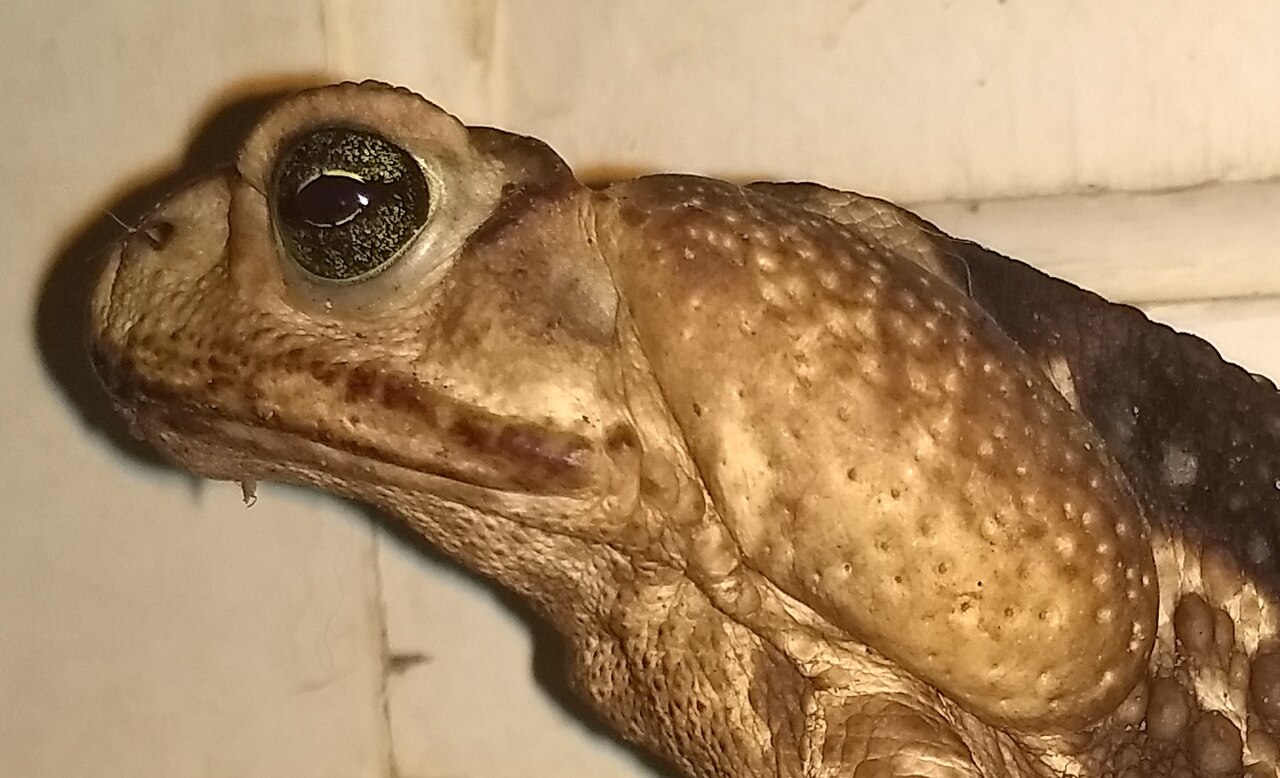
- Why Do Toads Have Warts? The Myth vs. Reality
- Where Did the Wart Myth Begin?
- Toads Have Warts That Aren't Warts — They're Glands
- The Parotoid Glands: The Big Bumps Behind the Eyes
- Tubercles: The Small Bumps All Over
- Toads Have Warts That Are Not Contagious — Here's the Proof
- Bufotoxin Is Not HPV
- What Actually Gives Human Warts
- Why Do Toads Have Warty Skin at All?
- Camouflage
- Moisture Retention
- ❓ Frequently Asked Questions
Ask most people whether toads have warts, and you will likely get a wary yes, followed by a cautious step backward. It is one of the most durable myths in the animal kingdom: that the lumpy bumps covering a toad's back are basically human warts, and that touching one will leave you dotted with the same growths. Here is the real truth, and it is far more interesting than the folklore: toads have warts in the sense that their skin is covered in bumpy growths, but those bumps are not actually warts at all. They are biological machinery, refined over millions of years, designed for survival, camouflage, and self-defense — and they are absolutely, 100 percent not contagious.
Why Do Toads Have Warts? The Myth vs. Reality
Before we dissect the bumps themselves, it helps to understand the animals they belong to. Toads are amphibians in the order Anura, which also includes frogs. While all toads are technically frogs in the broad biological sense, the animals we call "true toads" belong to the family Bufonidae, a group of more than 600 species spread across every continent except Antarctica and Australia (though they have been introduced there).
The classic distinction between frogs and toads is simple: frogs tend to have smooth, moist skin and long legs built for leaping, while toads have dry, warty skin and shorter, more robust bodies suited for crawling and short hops. That dryness and those bumps are precisely what launched a thousand playground rumors. To the human eye, a toad's textured back looks just like the cauliflower flesh of a common hand wart, so our ancestors simply connected the dots — and assumed the worst.
Where Did the Wart Myth Begin?
No one knows exactly when the myth started, but it is ancient. Toads have appeared in folklore for thousands of years as creatures of poison, magic, and misfortune. Medieval Europeans believed toads were venomous and that their breath could contaminate water. In some traditions, toads were portrayed as witches' familiars or ingredients in dark potions. The bumpy skin, the secretive daytime hiding, and the sudden appearance of toads after rain only added to their eerie reputation.
The specific claim that toads cause warts likely arose because of resemblance and proximity. People who handled farm animals, dug in gardens, or walked barefoot through damp fields encountered toads frequently. Warts are common in children and outdoor workers, and when someone developed a wart shortly after seeing or grabbing a toad, the association stuck. That is classic superstition: correlation mistaken for causation. There is not a single recorded medical case, anywhere, of a human wart being caused by a toad — because it cannot happen.
Toads Have Warts That Aren't Warts — They're Glands
So if those bumps are not warts, what are they? The answer is far more elegant than a skin infection. A true wart is a growth of keratin — the same protein that makes up hair and nails — caused by a viral infection of skin cells. A toad's bumps are not viral growths at all. They are specialized clusters of raised skin, filled with glands that produce and store potent chemical secretions. In other words, toads have warts that are actually elaborate drug factories, part of a defensive system so effective that many predators simply refuse to eat toads.
The Parotoid Glands: The Big Bumps Behind the Eyes
The most obvious and impressive bumps on a toad are the two large, elongated swellings located just behind the eyes. These are called parotoid glands, and they are the heavy artillery of the toad's defense network. Depending on the species, these glands can range from small, subtle ridges to enormous bulges that dominate the head. When a toad feels threatened, it can contract its skin muscles, squeezing these glands and releasing a milky, foul-tasting fluid called bufotoxin.
Bufotoxin is a complex cocktail of chemicals, including bufadienolides, which are cardiac glycosides. These compounds interfere with the sodium-potassium pumps in heart muscle cells, and in sufficient doses, they can cause vomiting, irregular heartbeat, and even cardiac arrest in small predators. A dog that mouths a toad may start drooling, pawing at its mouth, and foaming within minutes. Many wild predators learn after a single bad experience to never touch a toad again. The parotoid glands are the reason so many toads feel confident plodding around in the open; their chemical armor is genuinely dangerous.
Tubercles: The Small Bumps All Over
The parotoid glands get the attention, but the smaller bumps scattered across a toad's back and legs are also part of the defense system. These are called tubercles, and they are clusters of smaller poison glands embedded in thickened, keratinized skin. A toad cannot shoot these glands like darts, but if a predator bites down, the pressure will burst the tubercles and release a concentrated dose of irritating toxins directly into the attacker's mouth. This combination of bad taste and toxic chemistry makes toads one of the most effectively defended groups of animals on Earth.
Interestingly, not all tubercles are identical. In many species, you can see darker blotches that contain multiple smaller bumps within a single dark patch. The American toad, for example, has large dark spots that each contain one or two distinct warts, while the ground color in between stays lighter. These patterns help toads blend into the dappled leaf litter and soil of their habitats, making their "warty" appearance a form of camouflage as much as a warning.
Toads Have Warts That Are Not Contagious — Here's the Proof
Let us now address the question at the heart of every backyard chicken-plucker's cautionary tale: can you actually catch a wart from a toad? The definitive answer is no — and the biology is crystal clear. Toads have warts that contain toxins, not viruses. A human wart is caused by a completely unrelated pathogen, and the two have zero connection to each other.
Bufotoxin Is Not HPV
Human warts are caused by the human papillomavirus (HPV), a family of more than 100 different viral strains that infect the skin and mucous membranes. HPV invades the basal layer of the epidermis, usually through tiny cuts or abrasions, and tricks skin cells into multiplying rapidly, producing the thickened, raised growths we call warts. Common warts on the hands are typically caused by HPV types 2, 3, 4, 27, and 57. Plantar warts on the feet come from other strains. The key point is that HPV is extraordinarily species-specific: it cannot survive, reproduce, or cause disease in a toad, and a toad's bufotoxin contains no viral material whatsoever.
Bufotoxin, by contrast, is a mixture of small molecules — steroids, alkaloids, and peptides — that act on animal physiology. It has nothing to do with viral replication or cell growth. Exposure to bufotoxin might irritate your skin or eyes, and ingesting it will make you sick, but it will not instruct your skin cells to form a wart. A wart requires a virus to hijack your DNA. A toad's poison cannot do that.
What Actually Gives Human Warts
If you have ever had a wart, you caught it from another human, not a toad. HPV spreads through direct skin-to-skin contact, often in warm, moist environments like public showers, swimming pool decks, and gym floors. The virus enters through microscopic wounds in the skin, and it can take weeks or even months for a visible wart to appear. That long incubation period is another reason the toad myth persists: someone touches a toad in the summer, gets a tiny cut, and develops a wart in the fall, long after the encounter has faded from memory. But the real culprit is the virus they picked up somewhere else entirely.
Why Do Toads Have Warty Skin at All?
Evolution rarely keeps a feature without a reason, and the toad's rough, bumpy exterior serves several important functions beyond chemical defense.
Camouflage
A smooth, shiny, moist frog stands out on dry soil, but a toad's warty, textured skin fractures its outline and mimics the look of pebbles, bark, dry leaves, and cracked mud. Many toads also have mottled color patterns — shades of brown, olive, gray, and rust — that shift with their environment. When a toad sits motionless in the leaf litter, its warty bumps make it nearly invisible to predators and to the toads' own insect prey. This is a classic example of disruptive camouflage: the eye cannot easily identify where the animal ends and the forest floor begins.
Moisture Retention
Unlike frogs, which often need to stay near water to keep their skin damp,
❓ Frequently Asked Questions
💬 Can touching a toad give you warts?
No, toads cannot give you warts. The bumps on a toad's skin are not true warts, and human warts are caused by the human papillomavirus (HPV), which toads do not carry.
💬 Why do toads have those bumpy, wart-like spots?
Those bumps are actually glands, not warts. They produce a bitter, irritating toxin that helps protect the toad from predators.
💬 Are toad warts actually warts in the medical sense?
No, a toad's bumps are not true warts. True warts are viral growths, while a toad's bumps are natural skin glands, including the large parotoid glands behind the eyes.
💬 Is the fluid from a toad's warts harmful to humans?
The fluid isn't a wart virus, but it can irritate your skin or eyes. Always wash your hands thoroughly after handling a toad, and don't touch your face until you do.