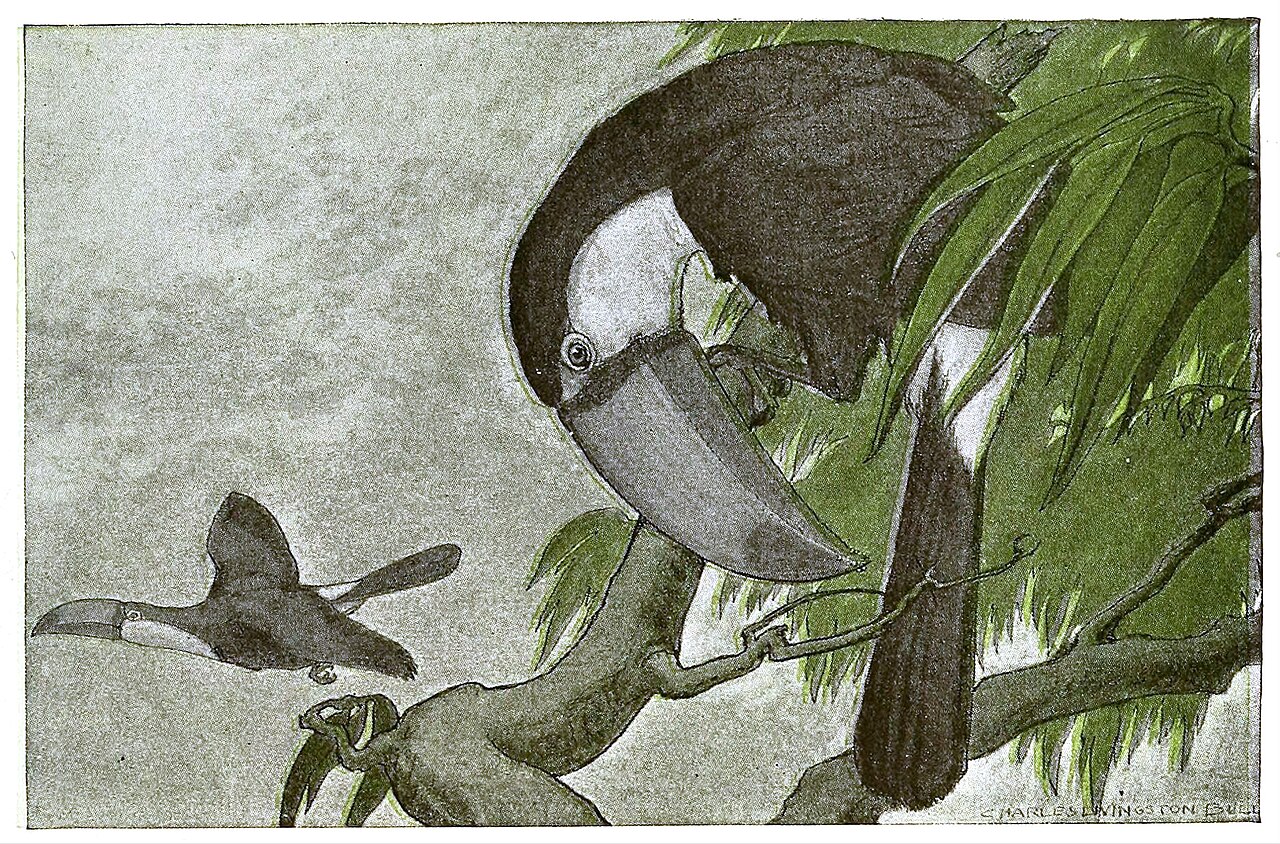
- The Basics: What Exactly Is a Toucan Big Beak Made Of?
- A Rainbow of Keratin
- Why Do Toucans Have a Toucan Big Beak? The Leading Theories
- 1. Feeding: Reaching Fruit on Thin Branches
- 2. Thermoregulation: A Built-In Radiator
- 3. Sexual Selection and Display
- 4. Defense and Intimidation
- How the Toucan Big Beak Works in Daily Life
- Feeding Behavior
- Social Interactions
- Nesting and Roosting
- Real Species, Real Numbers: A Closer Look
- Common Myths About the Toucan Big Beak
- Myth: The Bill Is Heavy and Weighs the Bird Down
- Myth: The Bill Is a Powerful Weapon
- Myth: The Bill Is Only for Show
- Conservation and the Future of Toucans
- Conclusion: The Colorful Truth About the Toucan Big Beak
- ❓ Frequently Asked Questions
The toucan big beak is one of the most recognizable features in the entire animal kingdom—a splash of outrageous color bolted onto a small, compact bird. Seen perched in a rainforest canopy, a toco toucan's bill can look almost comically oversized, like a costume accessory rather than a working body part. Yet that beak is no accident of evolution. It is a multifunctional tool, a radiator, a social signal, and a fruit-processing machine all in one. Understanding why toucans have big beaks means looking past the cartoon image and into the physics, ecology, and behavior of one of the Neotropics' most charismatic birds.
The Basics: What Exactly Is a Toucan Big Beak Made Of?
At first glance, a toucan's bill looks heavy and solid. In reality, it is remarkably light—often lighter than the bird's own feathers and muscles would suggest. The bill is built from a framework of thin, hollow keratin layers (the same protein that makes human fingernails and hair) supported by an internal lattice of bony struts. This internal structure, sometimes described as a foam-like network of bone trabeculae, gives the bill rigidity without mass.
In the toco toucan (Ramphastos toco), the largest of the toucan species, the bill can measure around 19–20 centimeters (about 7.5–8 inches) in length—roughly a third of the bird's total body length. Despite that size, the entire bill may weigh only about 50 grams, or less than 3% of the bird's body weight. That lightweight construction is essential: a solid bill of that size would make flying impractical.
A Rainbow of Keratin
Toucan bills come in striking patterns—black, orange, yellow, red, green, and blue—depending on the species. The colors come from pigments in the keratin and from the microstructure of the surface, which can produce iridescent effects. The bill also has a serrated edge in many species, which helps the bird grip and tear fruit.
Why Do Toucans Have a Toucan Big Beak? The Leading Theories
Scientists have debated the purpose of the oversized bill for decades. The answer is almost certainly not a single function but a combination of several, each offering a different evolutionary advantage.
1. Feeding: Reaching Fruit on Thin Branches
Toucans are primarily frugivores—fruit eaters—though they also take insects, eggs, nestlings, and small vertebrates. Their long bill lets them reach fruit at the ends of slender branches that would not support their body weight. A toucan can perch on a sturdy limb and stretch its bill outward to pluck a berry or fig that would otherwise be out of reach. The serrated edges help it grasp and manipulate fruit, and the bird often tosses fruit into the air and catches it in its throat before swallowing.
The bill is also used for foraging in other ways: toucans will probe into crevices, raid nests, and even prey on the eggs and chicks of smaller birds. The bill's length gives them reach and leverage in these behaviors.
2. Thermoregulation: A Built-In Radiator
One of the most compelling modern explanations is that the bill acts as a heat-exchange organ. A 2009 study published in the journal Science by Glenn Tattersall and colleagues used thermal imaging to show that the toco toucan's bill changes temperature rapidly in response to the environment. The bill is richly supplied with blood vessels, and by adjusting blood flow to the bill, the bird can dump excess heat or conserve it.
In hot conditions, the bill can dissipate a significant amount of body heat—researchers estimated it can account for a large fraction of the bird's total heat loss, comparable to the role of elephant ears. In cold conditions, blood flow to the bill is reduced to conserve warmth. This makes the bill a dynamic, adjustable radiator, which is especially useful for a bird living in warm tropical climates where overheating during flight is a real risk.
3. Sexual Selection and Display
Bright, oversized bills are also likely shaped by sexual selection. In many toucan species, both sexes have large bills, but the bill's color and size can play a role in mate choice and species recognition. A vivid, healthy bill signals good condition and genetic quality. The bill is used in courtship displays, and pairs often engage in bill-fencing and mutual feeding, reinforcing pair bonds.
4. Defense and Intimidation
Despite its size, the bill is not a powerful weapon—it is too light and relatively weak for serious fighting. However, it can be used to intimidate rivals and predators, and toucans will snap their bills and jab at threats. The visual impact of a large, brightly colored bill may deter some predators or competitors.
How the Toucan Big Beak Works in Daily Life
A toucan's bill is not just for show; it is central to how the bird interacts with its environment. Understanding its daily use helps explain why such an extreme feature persists.
Feeding Behavior
Toucans typically forage in the canopy, moving through fruiting trees. They use their bill to pluck fruit, then often flip it into the air and swallow it whole. Their digestive system handles fruit efficiently, and they play an important role as seed dispersers in tropical forests. Some species, like the keel-billed toucan (Ramphastos sulfuratus), are particularly associated with figs and other canopy fruits.
- Diet: Mostly fruit, plus insects, eggs, nestlings, and small vertebrates.
- Foraging style: Canopy gleaning, reaching, and occasional raiding of nests.
- Seed dispersal: Toucans pass seeds intact, helping regenerate forest.
Social Interactions
Toucans are social birds, often seen in small flocks or pairs. Bill-fencing—where two birds gently spar with their bills—is a common social behavior, especially between mates. Mutual feeding, where one bird offers food to another, strengthens pair bonds. The bill is also used in aggressive displays against rivals.
Nesting and Roosting
Toucans nest in tree cavities, often reusing holes made by woodpeckers or natural hollows. Both parents incubate the eggs—typically two to four white eggs—for about 16–20 days. Chicks hatch blind and naked and remain in the nest for several weeks. The bill is used to carry food to the nest and to defend it.
Real Species, Real Numbers: A Closer Look
Toucans belong to the family Ramphastidae, which includes about 40 species. They are found from southern Mexico through Central America and into South America, with the greatest diversity in the Amazon basin. Here are some notable examples:
- Toco toucan (Ramphastos toco): The largest species, with a bill up to about 20 cm. Found in open habitats, savannas, and forest edges in South America. Body length around 55–65 cm.
- Keel-billed toucan (Ramphastos sulfuratus): Known for its multicolored bill with green, orange, and blue. Found in Central American rainforests. Body length about 42–55 cm.
- Channel-billed toucan (Ramphastos vitellinus): A Amazonian species with a large bill and contrasting plumage.
- Green aracari (Pteroglossus viridis): A smaller toucan with a proportionally large but more slender bill.
Toucans typically live around 15–20 years in the wild, and longer in captivity. They are cavity nesters and are vulnerable to habitat loss, though many species remain relatively common in protected areas.
Common Myths About the Toucan Big Beak
Because the bill is so distinctive, several myths have grown up around it. Clearing them up helps separate fact from fiction.
Myth: The Bill Is Heavy and Weighs the Bird Down
False. The bill is exceptionally light thanks to its hollow, strutted internal structure. A toucan can fly comfortably despite its oversized bill.
Myth: The Bill Is a Powerful Weapon
Mostly false. The bill is not built for combat. It can deliver jabs and snaps, but it is relatively weak compared to the bills of raptors or woodpeckers. Its main functions are feeding, thermoregulation, and display.
Myth: The Bill Is Only for Show
False. While display and sexual selection likely play a role, the bill is a genuine working tool for feeding and heat regulation.
Conservation and the Future of Toucans
Toucans face the same pressures as many tropical forest birds: habitat loss, fragmentation, and the pet trade. Because they depend on mature fruiting trees and large nesting cavities, they are sensitive to logging and deforestation. Some species, like the yellow-throated toucan, have declined in parts of their range. Conservation efforts focus on protecting rainforest habitat and regulating trade.
Understanding the toucan big beak is more than a trivia exercise. It illustrates how evolution can produce a single structure that serves multiple functions—feeding, cooling, communication, and display—and how an animal's anatomy is shaped by the interplay of ecology and behavior.
Conclusion: The Colorful Truth About the Toucan Big Beak
The toucan's oversized bill is a masterpiece of lightweight engineering and multifunctional design. It is a fruit-gathering tool, a heat radiator, a social signal, and a courtship display all in one. Far from being a decorative oddity, the toucan big beak is a testament to the ingenuity of evolution in tropical forests. Next time you see a toucan perched in the canopy, remember: that spectacular bill is not just for looks—it is a survival toolkit, shaped by millions of years of adaptation to a life among the fruit-laden branches of the Neotropics.
❓ Frequently Asked Questions
💬 Is a toucan's beak heavier than it looks?
No—despite its size, a toucan's beak is very light because it is mostly hollow, built from a thin layer of keratin over a framework of bony struts. This keeps the bird from being weighed down and lets it balance easily.
💬 What is a toucan's big beak actually used for?
The beak helps toucans reach fruit on thin branches they couldn't otherwise support, pluck food, peel fruit, and defend themselves or their nests. It also plays a role in courtship displays and in regulating body temperature by radiating heat.
💬 Does the toucan's beak help it stay cool?
Yes—research suggests the large beak acts like a radiator, with blood vessels near the surface releasing heat to keep the bird cool in the tropics. The beak can change temperature quickly, helping regulate body heat.
💬 Can a toucan's beak be a weapon?
It looks intimidating, but the beak is relatively light and not built for serious fighting, though toucans do use it to jab at threats and defend nests. Its main jobs are feeding, social display, and temperature control rather than combat.