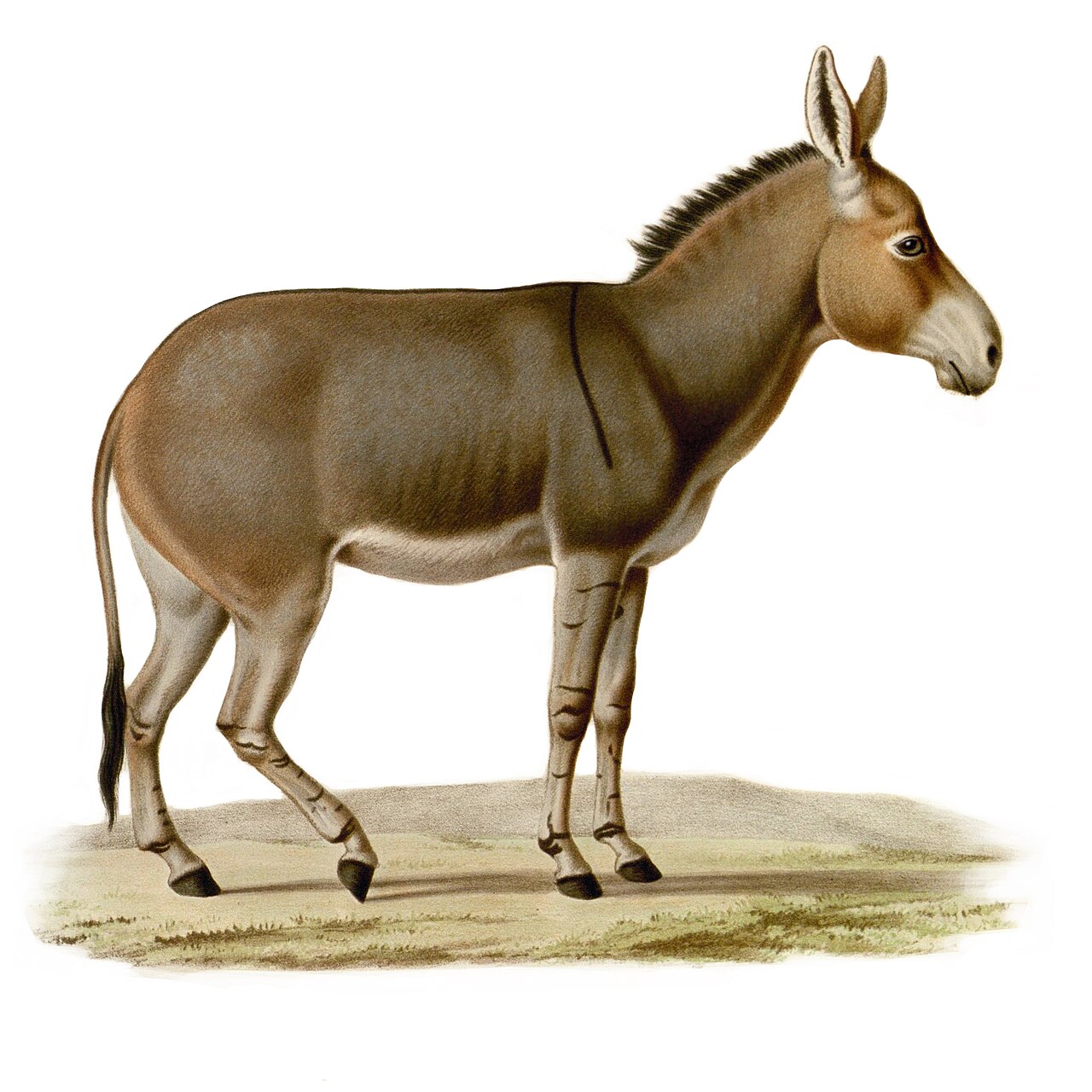
- The Evolutionary Origins of Why Donkeys Have Long Ears
- Enhanced Hearing for Predator Detection
- Thermoregulation: The Cooling System
- How Donkeys Use Their Long Ears for Communication
- Ear Positions and Their Meanings
- Vocalizations and Ear Coordination
- The Anatomy Behind Why Donkeys Have Long Ears
- Size and Proportion
- Muscle and Mobility
- Blood Vessel Network
- Behavioral and Environmental Reasons for Long Ears
- Foraging and Social Dynamics
- Climate Adaptation in Domestic Breeds
- Common Myths and Misconceptions About Donkey Ears
- Myth 1: Donkeys Have Long Ears Because They Are Stubborn
- Myth 2: Long Ears Mean a Donkey Is Old or Weak
- Myth 3: Donkeys Use Their Ears Only for Hearing
- Real-World Examples: Donkeys in Different Habitats
- Desert Donkeys of Africa
- Working Donkeys in Rural Asia
- Miniature Donkeys in Temperate Climates
- The Lifespan and Health Implications of Long Ears
- Common Ear Problems in Donkeys
- How Ear Health Reflects Overall Wellbeing
- Conclusion: The Surprising Truth About Donkey Ears
- ❓ Frequently Asked Questions
If you have ever wondered why donkeys have long ears, you are not alone—this distinctive trait is one of the most recognized features of the donkey, but the surprising truth goes far beyond simple aesthetics. From evolutionary adaptations to social communication, a donkey’s ears are a masterpiece of natural engineering, serving purposes that range from thermoregulation to predator detection. In this article, we will dive deep into the science, history, and behavior behind those iconic ears, revealing facts that might change how you see these humble, hardworking animals forever.
The Evolutionary Origins of Why Donkeys Have Long Ears
The story of why donkeys have long ears begins millions of years ago in the arid landscapes of Africa and Asia. Donkeys, scientifically known as Equus africanus asinus, are descendants of the African wild ass, a species that evolved in hot, dry environments like the deserts of northeastern Africa. In these harsh habitats, survival depended on keen senses and efficient cooling mechanisms.
Long ears are not just a quirky feature; they are an evolutionary adaptation that helped early donkeys thrive. Compared to horses, which evolved in cooler, more temperate grasslands, donkeys needed to cope with extreme heat and scarce water sources. Their ears, which can measure up to 12 inches (30 centimeters) in length, are proportionally much larger than those of horses or zebras. This elongation is directly linked to two critical survival functions: hearing and cooling.
Enhanced Hearing for Predator Detection
In the wild, donkeys were prey for large carnivores like lions, hyenas, and wild dogs. Long ears act like highly sensitive parabolic dishes, capable of capturing sound waves from far distances. A donkey can rotate each ear independently by up to 180 degrees, allowing it to pinpoint the source of a rustle or a growl with remarkable accuracy. This 360-degree auditory awareness gives them vital seconds to flee or alert the herd. Studies show that donkeys can detect low-frequency sounds, such as the footsteps of a predator, from over a mile away—a trait that domesticated donkeys retain today.
Thermoregulation: The Cooling System
Equally important is the role of ears in temperature regulation. The large surface area of a donkey’s ears is covered with a dense network of blood vessels, especially in the thin, hairless inner surface. When a donkey is hot, blood flow to the ears increases, and the heat dissipates into the air as the ears flop or stand upright. This process, called vasodilation, can lower the donkey’s body temperature significantly—by as much as 2 to 3 degrees Fahrenheit in extreme heat. In contrast, in cold weather, the blood vessels constrict to conserve heat, which is why you might see a donkey’s ears feel cold to the touch on a winter morning.
How Donkeys Use Their Long Ears for Communication
Beyond survival, why donkeys have long ears is also a story of social intelligence. Donkeys are highly social animals that rely on subtle signals to interact with each other and with humans. Their ears are a primary tool for non-vocal communication, conveying emotions, intentions, and warnings.
Ear Positions and Their Meanings
A donkey’s ear position can tell you exactly how it feels. Here are common ear signals:
- Ears forward and alert: The donkey is curious, attentive, or listening to something specific—often a sign of interest or mild caution.
- Ears pinned flat back against the neck: This is a clear warning of anger, fear, or aggression. It often precedes a bite, kick, or charge, especially if the donkey feels threatened.
- Ears drooping or limp: Indicates relaxation, contentment, or even drowsiness. A donkey with floppy ears while resting is usually at ease.
- One ear forward, one back: This multitasking position shows the donkey is monitoring two different directions at once—common when grazing in a group.
Vocalizations and Ear Coordination
Donkeys also coordinate ear movements with their famous braying calls. When a donkey brays—a loud, rhythmic “hee-haw” that can be heard up to 3 miles (5 kilometers) away—it often points its ears toward the intended recipient. This combination of sound and ear direction helps maintain contact with herd members or warn of danger. In domestic settings, donkeys use ear signals to communicate with humans, for example, by flicking an ear toward a person offering food.
The Anatomy Behind Why Donkeys Have Long Ears
To fully understand why donkeys have long ears, we need to look at the physical structure that makes them so effective. A donkey’s ear is not just a floppy flap of skin; it is a complex organ with specialized features.
Size and Proportion
An adult donkey’s ears typically range from 10 to 12 inches (25–30 cm) in length, which is about 20–25% of its head length. For comparison, a horse’s ears are usually 5–7 inches (13–18 cm) long. The ear length varies slightly by breed—for example, the Mammoth Jackstock donkey has particularly large ears, while miniature donkeys have smaller, but still proportionally long, ears.
Muscle and Mobility
Each donkey ear is controlled by at least 10 different muscles, allowing for that remarkable independent rotation. The outer ear, or pinna, is shaped like a funnel to channel sound waves into the ear canal. The inner ear contains a highly developed cochlea and vestibular system, giving donkeys excellent balance and hearing range—from about 60 Hz to 33,000 Hz, far beyond the human range of 20 Hz to 20,000 Hz.
Blood Vessel Network
As mentioned, the ears are rich with capillaries and arteriovenous anastomoses (direct connections between arteries and veins) that facilitate heat exchange. This network is so efficient that a donkey can lose up to 20% of its excess body heat through its ears alone on a hot day. The ears also have a thin layer of fur on the outside and a nearly hairless inner surface, maximizing heat dissipation.
Behavioral and Environmental Reasons for Long Ears
Beyond biology, why donkeys have long ears is also influenced by behavior and environment. Donkeys are not just passive recipients of evolution—they actively use their ears to navigate their world.
Foraging and Social Dynamics
In the wild, donkeys often forage in sparse, open landscapes where food is scattered. Their ears help them detect the sounds of other animals moving, water sources, or potential threats while they graze. In herds, dominant donkeys may use ear posture to assert authority—for instance, a lead donkey might hold its ears slightly back to signal “stay back” to subordinates. Submissive donkeys often flatten their ears slightly to avoid confrontation.
Climate Adaptation in Domestic Breeds
Domestic donkeys have been bred for thousands of years, but their ear length remains largely unchanged because it is so functionally important. In hot climates like the Middle East, Africa, and parts of the Americas, donkeys with larger ears tend to thrive better, as they can cool down more effectively. In cooler regions, like Europe, donkeys may have slightly shorter ears, but the difference is minimal—typically less than 2 inches. This shows that ear length is a conserved trait, not easily lost by selective breeding.
Common Myths and Misconceptions About Donkey Ears
There are many folk tales and misconceptions about why donkeys have long ears. Let’s separate fact from fiction.
Myth 1: Donkeys Have Long Ears Because They Are Stubborn
This is a classic myth. The idea that long ears symbolize stubbornness likely comes from the donkey’s reputation for pausing and refusing to move when it senses danger. In reality, donkeys are highly cautious animals—their long ears allow them to hear threats, and their “stubborn” behavior is actually a survival instinct. They are not being difficult; they are being smart.
Myth 2: Long Ears Mean a Donkey Is Old or Weak
While ear droop can indicate age or health issues in some animals, a donkey’s ear length is not a reliable indicator of age. Young donkeys have proportionally large ears that they grow into, and healthy adult donkeys of all ages have ears of similar size. Ear condition—such as drooping or stiffness—can signal illness, but length alone is not a health marker.
Myth 3: Donkeys Use Their Ears Only for Hearing
As we have seen, hearing is only one of several functions. Thermoregulation and communication are equally vital. In fact, a donkey that cannot move its ears freely—due to injury or disease—may struggle to regulate its body temperature and interact socially, which can lead to stress or illness.
Real-World Examples: Donkeys in Different Habitats
To appreciate why donkeys have long ears, it helps to look at how they live in various environments around the world.
Desert Donkeys of Africa
In the deserts of Ethiopia and Somalia, feral donkeys (descendants of the African wild ass) have ears that are especially large and mobile. These donkeys face daytime temperatures that can exceed 120°F (49°C). Their ears are critical for cooling, and they often stand with their ears perpendicular to the sun to maximize heat loss. They also use ear signals to coordinate movement across vast distances, avoiding predators like spotted hyenas.
Working Donkeys in Rural Asia
In India and Pakistan, donkeys are commonly used as pack animals in hot, dusty environments. Their long ears help keep them cool while carrying heavy loads for hours. Farmers often observe that donkeys with larger ears are more resilient to heat stress and work longer hours without fatigue. This has led to a preference for larger-eared individuals in breeding programs.
Miniature Donkeys in Temperate Climates
Miniature donkeys, popular as pets in the United States and Europe, still retain proportionally long ears despite living in cooler climates. For example, a 3-foot-tall miniature donkey may have ears that are 6–8 inches long—still about 20% of its head length. This shows that the ear trait is deeply ingrained and not easily altered by environment alone.
The Lifespan and Health Implications of Long Ears
Donkeys have a lifespan of 25 to 30 years on average, with some living into their 40s with proper care. Their long ears can be a window into their health.
Common Ear Problems in Donkeys
Because of their size and blood supply, donkey ears are susceptible to certain issues:
- Ear mites and infections: The warm, moist interior can harbor parasites, leading to irritation and head shaking.
- Frostbite: In very cold climates, the thin skin of the ears can freeze, causing tissue damage. Owners in northern regions often provide ear protection in winter.
- Sunburn: The hairless inner ear can burn in intense sun, leading to peeling or infection. Donkeys may seek shade or use mud as sunscreen.
How Ear Health Reflects Overall Wellbeing
A donkey’s ear posture and condition are key indicators of its health. A donkey with droopy ears that are also warm to the touch might have a fever or infection. Ears that are constantly pinned back could signal pain or stress. Regular ear checks are part of routine donkey care, and veterinarians often use ear temperature as a quick gauge of body condition.
Conclusion: The Surprising Truth About Donkey Ears
In summary, why donkeys have long ears is a fascinating blend of evolutionary biology, anatomy, and behavior. These remarkable appendages are not just for hearing—they are sophisticated tools for survival, communication, and temperature control. From the scorching deserts of Africa to the rolling hills of Europe, donkeys rely on their long ears to navigate a world full of challenges. The next time you see a donkey with its ears perked forward or gently flopping to the side, remember that you are witnessing millions of years of adaptation in action. Whether as working partners, companions, or symbols of resilience, donkeys and their ears deserve our respect and admiration.
❓ Frequently Asked Questions
💬 Why do donkeys have such long ears?
Donkeys evolved long ears primarily to enhance their hearing, allowing them to detect predators from far away in arid, open environments. The large ear surface also helps dissipate heat, keeping them cool in hot climates.
💬 Do donkey ears serve any purpose besides hearing?
Yes, donkey ears play a key role in thermoregulation; the blood vessels in their ears release heat, helping them stay cool in desert-like conditions. They also use ear positions to communicate moods, like alertness or aggression.
💬 Are donkey ears longer than horse ears?
Yes, donkeys typically have much longer ears than horses, often measuring 12–18 inches compared to a horse's 6–8 inches. This adaptation helps donkeys survive in dry, hot habitats where hearing and cooling are critical.
💬 Can donkeys hear better than other animals because of their long ears?
Donkeys have excellent hearing, especially for low-frequency sounds, which helps them detect distant predators like coyotes or wolves. While not the best of all animals, their ears are highly sensitive and swivel independently to pinpoint sound sources.