- Common Dog Shaking Causes: Why Your Pup Is Trembling
- Colds and Temperature-Related Shivering
- Excitement and Anticipation
- Medical Dog Shaking Causes You Shouldn't Ignore
- Pain and Injury
- Toxin Exposure
- Metabolic and Neurological Issues
- Breed-Specific Shaking and Tremor Syndromes
- Small Breed Tremor Syndrome
- Giant Breed Shaking
- Behavioral Dog Shaking Causes: Anxiety and Fear
- Noise Phobias
- Separation Anxiety
- When to Worry About Your Dog Shaking
- Red Flag Symptoms
- Age and Health Considerations
- What to Do When Your Dog Won't Stop Shaking
- Immediate Steps at Home
- Veterinary Diagnostics
- Conclusion: Understanding Your Dog's Shaking
Understanding dog shaking causes is one of the most common concerns pet owners bring to veterinarians, and for good reason—trembling can signal anything from a harmless burst of excitement to a life-threatening emergency. Unlike humans, dogs cannot tell us when they feel unwell, so they communicate through body language, and shaking is one of the most ambiguous signals they send. A dog can shiver because it is cold, scared, in pain, or suffering from a neurological disorder. In this in-depth guide, we will break down the most frequent reasons for canine trembling, explain how to tell a benign shiver from a medical crisis, and give you a clear action plan for helping your furry friend feel safe and healthy.
Common Dog Shaking Causes: Why Your Pup Is Trembling
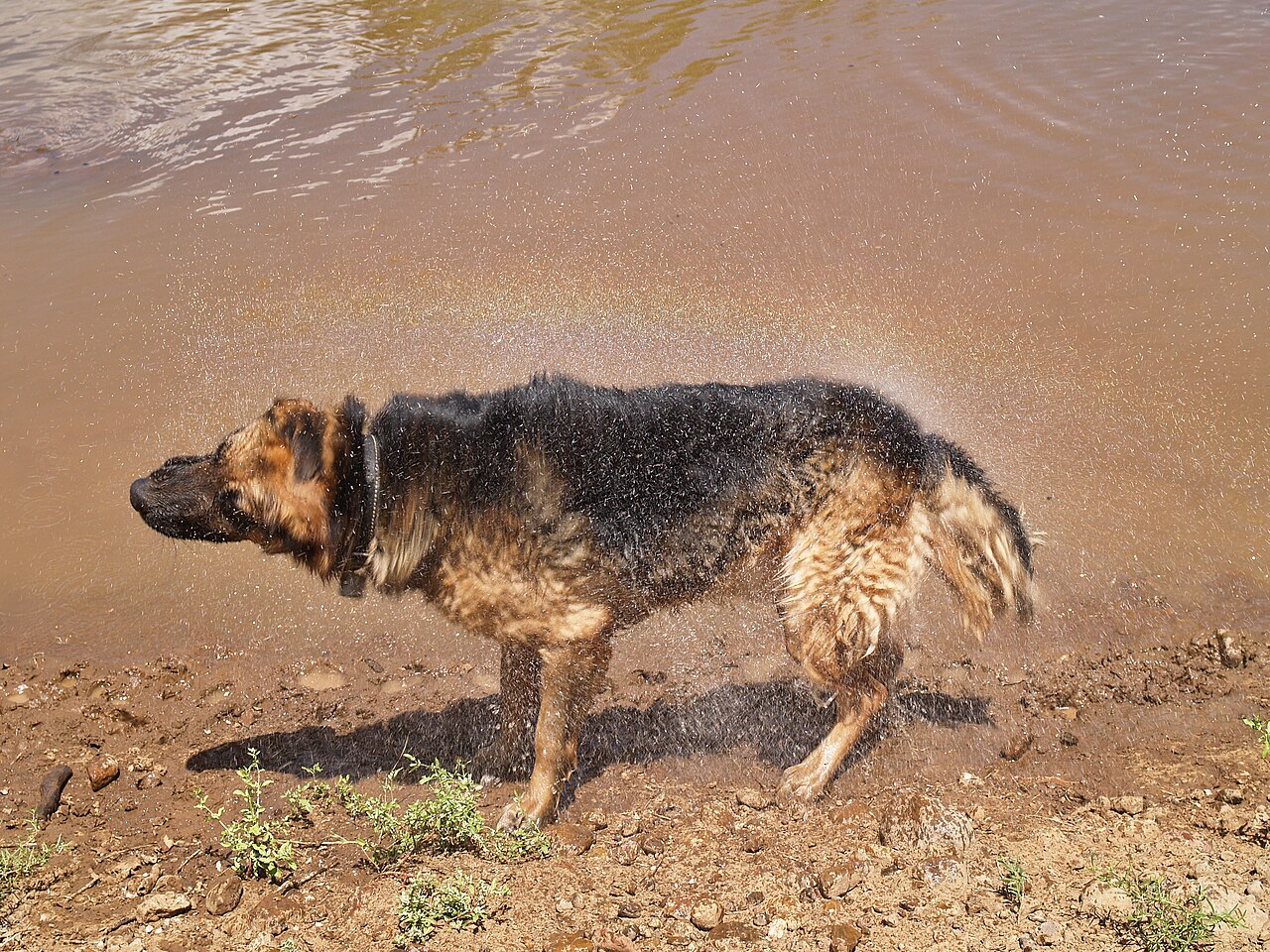
When you first notice your dog shaking, your mind may jump to worst-case scenarios, but the reality is that many everyday situations trigger trembling. Dogs shiver as a natural physiological response to their environment, their emotions, and even their dreams. Before you panic, take a moment to observe the context: Is your dog wet after a bath? Did a thunderstorm just roll in? Is it mealtime? These simple clues often explain the shaking without any underlying illness.
Colds and Temperature-Related Shivering
Just like humans, dogs shiver to generate heat when their core body temperature drops. A healthy dog's normal temperature ranges from 101°F to 102.5°F (38.3°C to 39.2°C), which is higher than a human's baseline. Once the environment gets chilly, a dog's muscles contract and relax rapidly to produce warmth. Small breeds and short-haired dogs feel the cold much faster because they have a high surface-area-to-volume ratio and minimal insulation. A Toy Poodle weighing just 6 to 9 pounds can start shivering at 50°F, whereas a thick-coated Alaskan Malamute, built for Arctic temperatures as low as -20°F, may not shiver until conditions are drastically colder. If your dog shakes after a walk in the rain or while lying on a tile floor, provide a warm blanket or a cozy dog sweater and see if the trembling stops within minutes.
Excitement and Anticipation
Not all shaking is negative—some dogs tremble with pure joy. When you pick up their leash for a walk, toss their favorite squeaky toy, or greet them after a long day at work, their nervous system releases a surge of adrenaline and dopamine. This flood of excitatory neurotransmitters can cause their muscles to twitch and their whole body to quiver. For example, a Border Collie, a breed renowned for its intense work drive, may vibrate with anticipation before a game of fetch. Puppies are especially prone to excitement shaking because their nervous systems are still developing and they have not yet learned to regulate their arousal levels. If the trembling stops quickly once the exciting activity begins, it is simply your dog's way of saying, "I am so happy right now!"
Medical Dog Shaking Causes You Shouldn't Ignore
While temperature and excitement are harmless, many dog shaking causes stem from genuine medical conditions that require veterinary attention. If your dog is shaking without an obvious trigger, or if the trembling is accompanied by other symptoms like vomiting, lethargy, or collapse, you need to evaluate the situation seriously. Below are the most critical medical reasons for canine tremors.
Pain and Injury
Dogs are evolutionarily wired to hide their pain—in the wild, showing weakness made them vulnerable to predators. Shaking is often one of the few visible clues that a dog is hurting. Orthopedic issues like a torn cruciate ligament, intervertebral disc disease, or arthritis can cause a dog to tremble as the pain radiates through their limbs. For instance, a Dachshund with a herniated disc may shake violently along its back legs, while a senior Labrador Retriever with hip dysplasia might shiver when trying to stand after napping. Abdominal pain, such as from pancreatitis or a foreign body obstruction, can also cause whole-body tremors. If your dog flinches, yelps, or avoids being touched in a specific area, assume pain is the culprit and seek veterinary care promptly.
Toxin Exposure
Ingesting toxic substances is one of the most alarming and urgent dog shaking causes you can face. Many common household items are dangerous to dogs. Chocolate contains theobromine and caffeine, both of which stimulate the central nervous system. Even a small amount of dark chocolate can cause muscle tremors, restlessness, and a racing heart in a 20-pound dog. Xylitol, an artificial sweetener found in sugar-free gum and peanut butter, triggers a dangerous insulin spike that leads to hypoglycemia, which often presents as shaking, weakness, and seizures. Other toxins that cause trembling include snail bait (metaldehyde), antifreeze (ethylene glycol), and certain human medications like antidepressants. If you suspect your dog has ingested anything toxic, do not wait for symptoms to worsen—call your veterinarian or an animal poison control hotline immediately, as timing is critical for successful treatment.
Metabolic and Neurological Issues
Several internal disorders can disrupt a dog's normal muscle function. Hypoglycemia, or low blood sugar, is common in toy breeds like Yorkies and Chihuahuas, especially if they have gone too long without eating. Their tiny livers cannot store much glucose, so a missed meal can trigger dramatic shaking, weakness, and even fainting. Hypocalcemia (low blood calcium) is another metabolic cause, often seen in nursing mothers within the first few weeks after giving birth. Neurologically, idiopathic epilepsy causes seizures that range from full-body convulsions to subtle tremors. Additionally, canine cognitive dysfunction—the dog equivalent of Alzheimer's disease—can cause older dogs to tremble and pace, particularly at night. If your dog is over eight years old and has started shaking without an obvious cause, a full veterinary workup can help identify these hidden conditions.
Breed-Specific Shaking and Tremor Syndromes
Genetics plays a significant role in why some dogs shake more than others. Certain breeds are predisposed to specific tremor conditions, and understanding your dog's breed background helps you interpret their behavior accurately. A Chihuahua shivering on your lap may simply be cold, but a white Bull Terrier shaking might be displaying a hereditary neurological disorder.
Small Breed Tremor Syndrome
Small dogs, particularly Chihuahuas, Maltese, and Pomeranians, are famous for their trembling. This is partly due to their high metabolism and low body fat, but some small breeds suffer from a condition called generalized tremor syndrome (GTS), also known as "white shaker dog syndrome." This condition primarily affects small, white-coated breeds like the West Highland White Terrier and Bichon Frise, though any small dog can develop it. GTS is believed to be an autoimmune or inflammatory condition affecting the cerebellum, the part of the brain that coordinates movement. Dogs with GTS experience rhythmic, whole-body tremors that worsen with excitement or stress and improve when they rest. The good news is that GTS is highly treatable with corticosteroids, and most affected dogs live normal, happy lives. If your small dog shakes persistently, your vet can perform a neurological exam and prescribe appropriate medication.
Giant Breed Shaking
On the opposite end of the size spectrum, giant breeds like Great Danes, Irish Wolfhounds, and Mastiffs also shake, but for different reasons. Their massive size means their hearts must work harder to pump blood throughout their bodies, and they are prone to dilated cardiomyopathy, a condition where the heart enlarges and weakens. When the heart cannot circulate blood efficiently, dogs experience weakness, exercise intolerance, and trembling. Additionally, giant breeds are susceptible to a condition called wobbler syndrome, caused by compression of the spinal cord in the neck, which can lead to trembling and incoordination in the hind legs. If a giant breed dog starts shaking after minimal exercise, a cardiac evaluation is essential—this could be an early sign of heart disease.
Behavioral Dog Shaking Causes: Anxiety and Fear
Emotional distress is a powerful trigger for canine trembling, and recognizing the difference between a scared shake and a medical tremor could save you a stressful vet visit. When a dog is frightened, their sympathetic nervous system kicks into "fight or flight" mode, flooding their body with cortisol and adrenaline. This hormonal surge causes muscle tension, rapid breathing, and shaking. Anxiety-related trembling is often accompanied by other stress signals, such as tucked tails, flattened ears, pacing, and excessive drooling.
Noise Phobias
Noise aversion is one of the most common phobias in dogs, affecting an estimated 40% to 50% of the canine population to some degree. Fireworks and thunderstorms are the usual culprits, but a dog can also develop a phobia of car backfires, construction noise, or even the beep of a smoke detector. A dog with a noise phobia will often shake, pant, hide, and attempt to find a safe place, such as inside a bathtub or under the bed. This is a genuine panic response, not misbehavior. Behavior modification techniques, such as desensitization and counter-conditioning, can help, and some dogs benefit from anti-anxiety medication prescribed by a veterinarian. For mild cases, a ThunderShirt—a snug, pressure-wrap garment—applies gentle, constant pressure that has a calming effect on the nervous system, similar to swaddling a human baby.
Separation Anxiety
Some dogs develop intense anxiety when their human family leaves them alone. This distress can manifest as destructive chewing, excessive barking, house soiling, and unmistakable shaking. A dog with separation anxiety may start trembling the moment you reach for your car keys, even if you have not left yet. This is a deeply rooted emotional issue that requires patience and training. Crate training, puzzle toys, and gradually increasing the time you spend away can help, but severe cases may require professional help from a veterinary behaviorist or certified dog trainer.
When to Worry About Your Dog Shaking
Knowing when to relax and when to rush to the emergency vet is one of the most valuable skills for any dog owner. The general rule is this: if the shaking stops when the trigger stops, it is likely benign. However, certain signs demand immediate professional attention. A dog that shakes continuously for more than half an hour, or that shakes while in a collapsed or disoriented state, is experiencing a medical emergency.
Red Flag Symptoms
Contact your veterinarian right away if the shaking is accompanied by any of the following:
- Seizure activity—if the dog loses consciousness, paddles its legs, foams at the mouth, or loses control of its bladder or bowels.
- Vomiting or diarrhea, especially if there is blood, which could indicate toxin exposure or gastrointestinal obstruction.
- Difficulty breathing, pale gums, or a blueish tongue, which suggests heart failure or shock.
- Weakness or collapse, where the dog cannot stand or walk without staggering.
- Rigid muscles or a distended, painful abdomen, which could be a sign of bloat (gastric dilatation-volvulus)—a life-threatening condition that is especially common in deep-chested breeds like Great Danes and German Shepherds.
- Fever (above 103°F), which combined with shaking may indicate a serious infection like distemper or a tick-borne disease.
If any of these symptoms are present, do not attempt to treat your dog at home. Time is of the essence, and prompt veterinary intervention can mean the difference between a full recovery and a tragic outcome.
Age and Health Considerations
Puppies and senior dogs are at higher risk for dangerous shaking. Puppies have immature immune systems and are more susceptible to infectious diseases like canine distemper, which causes muscle twitching, tremors, and seizures. If an unvaccinated puppy starts shaking, this is a red flag that should not be ignored. Conversely, senior dogs may shake due to age-related conditions such as kidney failure, Cushing's disease, or arthritis pain. An older dog that has never shaken before but suddenly develops a tremor could be experiencing the onset of a neurological condition. Always err on the side of caution with very young or very old dogs—their bodies have less reserve to withstand a medical crisis.
What to Do When Your Dog Won't Stop Shaking
If you are reading this article because your dog is shaking right now, take a deep breath. Start by assessing the situation with a clear, systematic approach. The steps you take in the first few minutes can greatly influence the outcome, both for your dog's comfort and for the information you can provide to your veterinarian.
Immediate Steps at Home
First, check for environmental causes. Is your dog wet or cold? Wrap them in a warm blanket and move them to a quiet, warm room. If the shaking stops, you have solved the problem. Next, look at the context: Is there a thunderstorm outside? Did someone set off fireworks? If you suspect anxiety, remove the dog from the stressful situation or create a safe, dark "den" with their favorite toys and bedding. Do not offer food unless you are certain the dog has not ingested a toxin—some poisons must be treated on an empty stomach. If the shaking persists, take a short video of the tremor. A video is incredibly helpful for your veterinarian because dogs often stop shaking when they are frightened in an exam room, and the video allows your vet to see the exact nature of the tremor. Note when the shaking started, how long it has lasted, and whether anything seemed to trigger it.
Veterinary Diagnostics
When you bring your dog to the vet for persistent shaking, the veterinarian will perform a thorough diagnostic workup. This usually begins with a physical exam and a review of your dog's medical history. The vet will check for pain by palpating the abdomen, joints, and spine. Blood tests are essential to check for metabolic abnormalities, including blood glucose levels, calcium levels, kidney and liver function, and signs of infection. If a neurological cause is suspected, your vet may recommend advanced imaging like an MRI or a spinal tap to look for inflammation or lesions in the brain. For toxin exposures, a urinalysis can detect substances like antifreeze. The cost of these tests varies, but a basic blood panel is generally $100 to $250, while an MRI can range from $2,000 to $3,500. Discuss your budget openly with your veterinarian—they can often suggest a targeted diagnostic plan that maximizes information while minimizing costs.
Conclusion: Understanding Your Dog's Shaking
Your dog cannot speak, but their shaking is a form of communication, and learning to interpret it strengthens the bond between you. We have covered the major dog shaking causes, from the simple chill of a winter walk to the serious implications of toxin exposure and heart disease. As a responsible pet owner, your best tool is observation. Take note of the context, duration, and intensity of the trembling, and always trust your instincts—if something feels wrong, it probably is. Keep a close eye on your dog's overall behavior, appetite, and energy levels, because a dog that shakes but still eats, plays, and behaves normally is usually fine, whereas a dog that shakes and withdraws is telling you they need help. When in doubt, call your veterinarian. A quick phone call could give you peace of mind, and in an emergency, it could save your dog's life. By staying informed and attentive, you ensure that your loyal companion lives a comfortable, happy, and healthy life by your side.