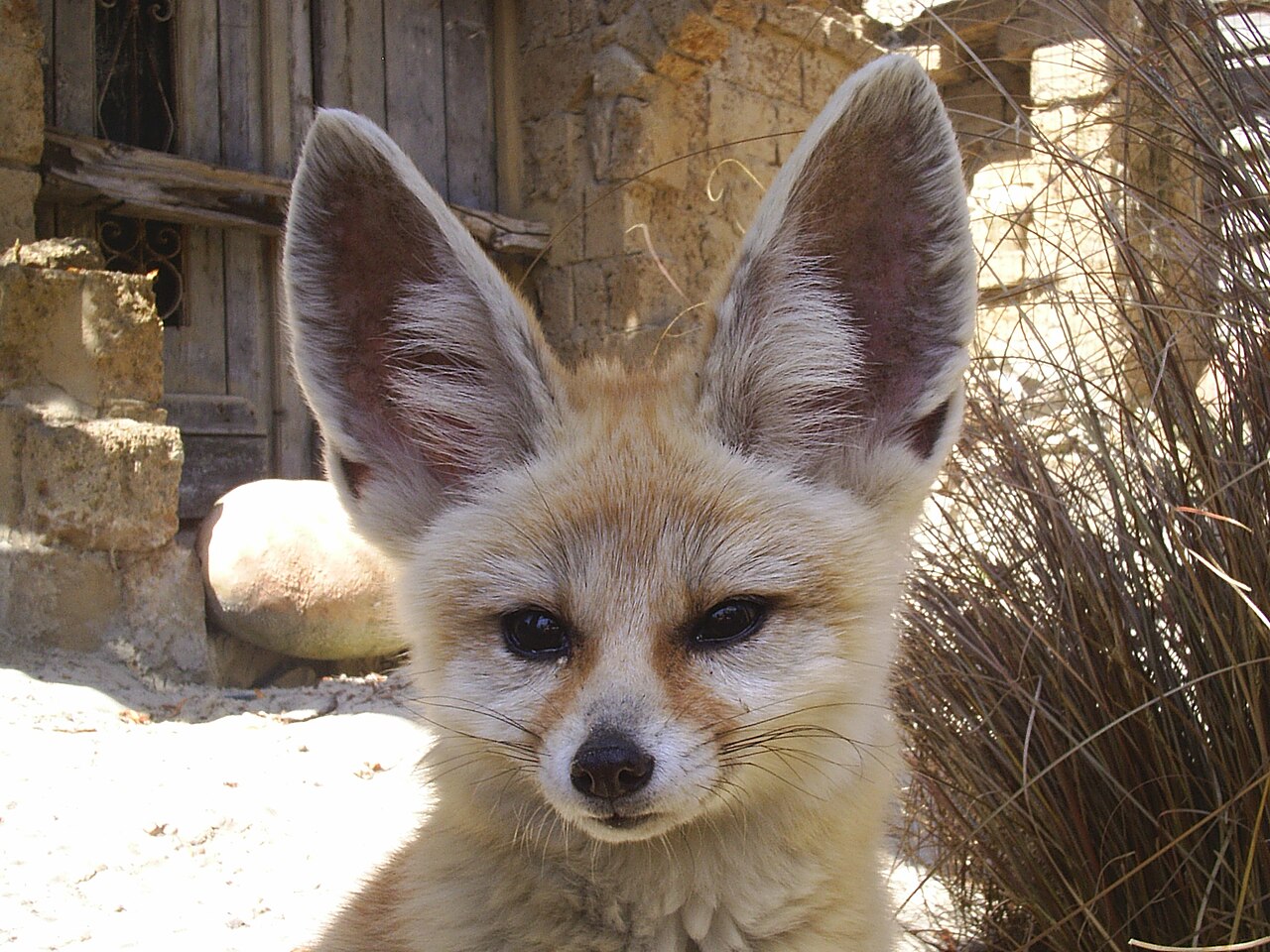
- The Thermoregulatory Function of Fennec Fox Ears
- Radiating Heat: A Natural Cooling System
- Conserving Heat in Cool Desert Nights
- How Fennec Fox Ears Enhance Hunting and Survival
- Exceptional Hearing for Subterranean Prey
- Enhanced Spatial Awareness and Predator Avoidance
- The Anatomy and Evolution of Fennec Fox Ears
- Structural Adaptations for Lightness and Efficiency
- Comparison with Other Desert-Adapted Animals
- Behavioral and Social Roles of Fennec Fox Ears
- Non-Verbal Communication Through Ear Posture
- Ears as a Visual Signal in Mating and Dominance
- Habitat, Diet, and Lifespan: The Fennec Fox in Context
- Habitat and Burrowing Behavior
- Diet and Foraging Strategies
- Lifespan and Reproduction
- Conservation and the Future of the Fennec Fox
- Threats from Habitat Loss and Climate Change
- Illegal Wildlife Trade and Captivity
- Conclusion: A Masterpiece of Evolutionary Design
- ❓ Frequently Asked Questions
The fennec fox ears are among the most distinctive and fascinating features in the animal kingdom, measuring up to six inches in length on a body that is only about twelve to sixteen inches long. This outsized auditory equipment is not merely a quirky aesthetic trait; it is a masterful evolutionary adaptation that allows the fennec fox to thrive in one of the harshest environments on Earth: the Sahara Desert. Every aspect of these enormous ears, from their blood vessel network to their delicate bone structure, is finely tuned for survival, serving critical functions in thermoregulation, hunting, and communication. Understanding why the fennec fox has such enormous ears reveals a remarkable story of natural engineering and the profound ways in which form follows function in the wild.
The Thermoregulatory Function of Fennec Fox Ears
The most critical role of the fennec fox’s oversized ears is temperature control. The Sahara Desert experiences extreme temperature swings, from scorching days exceeding 50°C (122°F) to chilly nights that can drop near freezing. The fennec fox, being the smallest canid in the world, has a high surface-area-to-volume ratio, which means it loses body heat quickly. However, its enormous ears provide a brilliant solution to overheating.
Radiating Heat: A Natural Cooling System
The fennec fox ears are richly supplied with a dense network of blood vessels, particularly near the skin’s surface. When the fox is active during the hot daytime or after exerting energy, warm blood from the body flows into these vessels. The thin, large surface area of the ear acts as a highly efficient radiator, dissipating excess heat into the surrounding air. This process, known as vasodilation, allows the fox to cool its core body temperature without needing to pant excessively or seek shade. In fact, studies have shown that a fennec fox can dissipate up to 20% of its metabolic heat through its ears alone, making them a primary tool for thermoregulation.
Conserving Heat in Cool Desert Nights
Interestingly, the same ears that cool the fox during the day also help it conserve heat at night. When temperatures plummet, the blood vessels in the ears constrict (vasoconstriction), reducing blood flow to the surface. This minimizes heat loss from the ears, allowing the fox to retain warmth in its core. This dual-function capability is a testament to the ear’s sophisticated design—it is not just a cooling fan but also a heat-saving blanket. The fennec fox’s ability to regulate its ear temperature dynamically is crucial for its survival in a habitat where daily temperature fluctuations can exceed 40°C (72°F).
How Fennec Fox Ears Enhance Hunting and Survival
Beyond temperature regulation, fennec fox ears are extraordinary sensory tools that give this tiny predator a significant advantage in the desert’s sparse and challenging landscape. Their size and structure are perfectly adapted for detecting prey, even when it is hidden beneath layers of sand or rock.
Exceptional Hearing for Subterranean Prey
The fennec fox’s diet consists largely of insects, small rodents, birds, and reptiles, many of which are active at night and often burrow underground. The fox’s ears can pick up the faintest sounds, such as the scurrying of a desert beetle under several inches of sand or the heartbeat of a gerbil in its burrow. The large external ear flaps (pinnae) funnel sound waves directly into the ear canal, amplifying even the quietest noises. This is especially important for hunting in the dark, where vision is limited. The fennec fox can pinpoint the exact location of prey by comparing the slight difference in arrival time of sound between its two ears—a process called binaural hearing. Once located, the fox will dig rapidly with its small, nimble paws to unearth its meal. Without its enormous ears, this hunting strategy would be far less effective, and the fox would struggle to find sufficient food in the barren desert.
Enhanced Spatial Awareness and Predator Avoidance
The same acute hearing that aids in hunting also helps the fennec fox avoid becoming prey itself. Larger predators, such as African wild dogs, jackals, and birds of prey, pose a constant threat. The fennec fox’s ears can detect the soft footfall of an approaching predator from a considerable distance, giving the fox precious seconds to flee to its burrow. The fox’s ability to rotate its ears independently (up to 180 degrees) allows it to scan its surroundings without moving its head, providing a 360-degree auditory field. This spatial awareness is vital for a small animal living in an open, exposed environment. The fennec fox’s ears are, in effect, a sophisticated early warning system that has evolved to maximize both foraging success and survival.
The Anatomy and Evolution of Fennec Fox Ears
The sheer size of fennec fox ears, relative to their body, is unmatched among canids. While other desert foxes, like the Rüppell’s fox or the pale fox, also have large ears, none approach the proportions of the fennec. This extreme development is a product of millions of years of evolution in the Sahara’s unique conditions.
Structural Adaptations for Lightness and Efficiency
The fennec fox’s ears are not just large; they are also remarkably lightweight. The pinnae are composed of thin, flexible cartilage covered by a fine layer of fur, with minimal muscle mass. This construction allows the ears to move quickly and effortlessly without adding significant weight to the fox’s small frame. The inner ear, including the cochlea, is also highly developed, with an increased number of sensory hair cells that enhance sound detection. The evolutionary pressure to survive in the desert has favored individuals with larger, more efficient ears, leading to the extreme morphology we see today. Genetic studies suggest that the genes controlling ear size and blood vessel development in fennec foxes have been under strong positive selection, specifically for thermoregulatory and auditory functions.
Comparison with Other Desert-Adapted Animals
To understand the uniqueness of fennec fox ears, it is helpful to compare them to other desert animals. The bat-eared fox, for example, also has large ears, but these are primarily for locating insects (especially termites) rather than for thermoregulation. The African elephant uses its ears in a similar way to the fennec fox—flapping them to create airflow and radiating heat—but its ears are proportionally smaller relative to its massive body. The fennec fox’s ears are the most extreme example of this adaptation among mammals, with a surface area that can account for over 10% of its total body surface area. This is a remarkable ratio, underscoring how essential these ears are for the fox’s survival in an environment where water is scarce and temperatures are extreme.
Behavioral and Social Roles of Fennec Fox Ears
While thermoregulation and hunting are the primary functions, fennec fox ears also play a subtle but important role in social communication within their family groups. Fennec foxes are highly social animals, living in small packs that often include a mated pair and their offspring from multiple litters.
Non-Verbal Communication Through Ear Posture
Fennec foxes use their ears to convey emotions and intentions to other pack members. Ears held forward and erect typically indicate alertness or interest, while ears flattened against the head can signal fear, submission, or aggression. The ability to move each ear independently allows for nuanced communication—a fox might keep one ear aimed at a sound while using the other to signal to a nearby mate. During play, young fennec foxes often use ear flicks and rotations as part of their social interactions, helping to establish hierarchy and bonds within the group. This non-verbal language is especially important in the dark, where visual cues are limited.
Ears as a Visual Signal in Mating and Dominance
The large size and distinctive shape of the ears also make them a visual signal. In some contexts, a fennec fox with large, healthy ears may be perceived as a more attractive mate, as it indicates good genetic fitness and the ability to survive in the harsh desert. Similarly, during confrontations over food or territory, dominant individuals may display their ears prominently, while subordinates will flatten theirs. While not as complex as the vocalizations or scent-marking behaviors of fennec foxes, ear posture is an integral part of their social repertoire, reinforcing bonds and reducing conflict within the pack.
Habitat, Diet, and Lifespan: The Fennec Fox in Context
To fully appreciate the evolutionary significance of fennec fox ears, it is essential to understand the environment and lifestyle of the animal itself. The fennec fox (Vulpes zerda) is native to the sandy deserts of North Africa, including the Sahara, the Sinai Peninsula, and the Arabian Desert.
Habitat and Burrowing Behavior
Fennec foxes are nocturnal and crepuscular, meaning they are most active during the cooler hours of twilight and night. They dig extensive burrow systems in the sand, which can be up to 10 meters long and have multiple entrances. These burrows provide shelter from the heat of the day and from predators. The foxes are well-adapted to arid conditions; they can go for long periods without drinking water, obtaining most of their moisture from their prey. Their kidneys are highly efficient at conserving water, producing very concentrated urine. The burrows also help to moderate temperature, but the ears remain the primary tool for rapid cooling when the fox is above ground.
Diet and Foraging Strategies
The fennec fox is an omnivorous opportunist. Its diet includes insects (especially grasshoppers and locusts), small rodents (like jerboas and gerbils), birds, eggs, reptiles, and fruits (such as dates and berries). The fox’s small size (weighing only 1.5 to 3.5 pounds) allows it to hunt efficiently for small prey. Its large ears are crucial for detecting the subtle sounds of insects moving through sand or the scratching of a rodent inside a burrow. The fox’s keen sense of smell also plays a role, but hearing is the primary sense for locating hidden prey. In captivity, fennec foxes have been observed using their ears to locate food rewards hidden under substrate, demonstrating their reliance on auditory cues.
Lifespan and Reproduction
In the wild, fennec foxes typically live for 6 to 10 years, though they can live up to 14 years in captivity. They reach sexual maturity at around 9 months to 1 year of age. Mating season occurs once a year, usually in January or February. After a gestation period of about 50 days, the female gives birth to a litter of 2 to 5 pups. The pups are born with their ears folded and closed, but they begin to open within 10 days. The ears grow rapidly, and by the time the pups are weaned at around 8 to 10 weeks, their ears are already proportionally large. Both parents, as well as older siblings from previous litters, help care for the young, teaching them how to hunt and use their ears to find food. The pups’ ear development is a critical part of their growth, as it directly impacts their ability to survive independently.
Conservation and the Future of the Fennec Fox
The fennec fox is currently listed as Least Concern on the IUCN Red List, but it faces several threats that could impact its future. Understanding these threats is important for ensuring that this remarkable animal, with its iconic ears, continues to thrive in the wild.
Threats from Habitat Loss and Climate Change
The primary threat to fennec foxes is habitat degradation and loss due to human activities. Desertification, agricultural expansion, and urbanization are reducing the available habitat for these foxes. Additionally, climate change is exacerbating the extreme conditions of the Sahara, leading to more frequent and severe droughts. While the fennec fox is highly adapted to desert life, prolonged drought can reduce the availability of prey, putting pressure on populations. The fox’s reliance on its ears for thermoregulation may also be tested as temperatures continue to rise, potentially pushing the limits of its cooling capacity.
Illegal Wildlife Trade and Captivity
Fennec foxes are also illegally captured for the exotic pet trade. Their small size, cute appearance, and large ears make them appealing to some people, but they are wild animals with specialized needs that are difficult to meet in captivity. In many regions, they are also hunted for their fur or killed as pests. Conservation efforts focus on habitat protection, anti-poaching measures, and public education about the challenges of keeping fennec foxes as pets. Captive breeding programs in accredited zoos help maintain genetic diversity and raise awareness about the species. The fennec fox’s large ears, while a source of fascination, also make it vulnerable to exploitation, highlighting the need for responsible stewardship.
Conclusion: A Masterpiece of Evolutionary Design
The fennec fox ears are far more than a cute oddity; they are a masterful evolutionary solution to the extreme challenges of desert life. They serve as a highly efficient radiator for thermoregulation, a sophisticated acoustic antenna for hunting and predator avoidance, and a subtle tool for social communication. Every aspect of their anatomy, from the dense blood vessels to the thin, flexible cartilage, is perfectly tuned for survival in the Sahara. The fennec fox’s enormous ears remind us that even the most unusual features in nature are often the result of millions of years of refinement, shaped by the relentless pressures of environment and ecology. As we continue to study and protect this remarkable animal, we gain a deeper appreciation for the intricate and beautiful ways in which life adapts to thrive in even the most unforgiving places on Earth.
❓ Frequently Asked Questions
💬 Why do fennec foxes have such big ears?
Fennec foxes have enormous ears primarily to dissipate heat in their hot desert environment, helping them stay cool. The large surface area allows blood vessels near the skin to release excess body heat into the air.
💬 How do fennec fox ears help them hunt?
Their oversized ears act like satellite dishes, amplifying faint sounds from prey like insects and rodents moving underground. This acute hearing gives them a crucial advantage for locating food in the Sahara Desert.
💬 What is the size of a fennec fox's ears?
A fennec fox's ears can grow up to 6 inches (15 centimeters) long, which is about one-third of their total body length. Despite their small body size, they have the largest ear-to-body ratio of any fox species.
💬 Do fennec foxes use their ears for communication?
Yes, fennec foxes use ear movements to express emotions and communicate with other foxes, such as flattening them when scared or perking them forward when alert. This visual signaling is important for social interactions in their family groups.