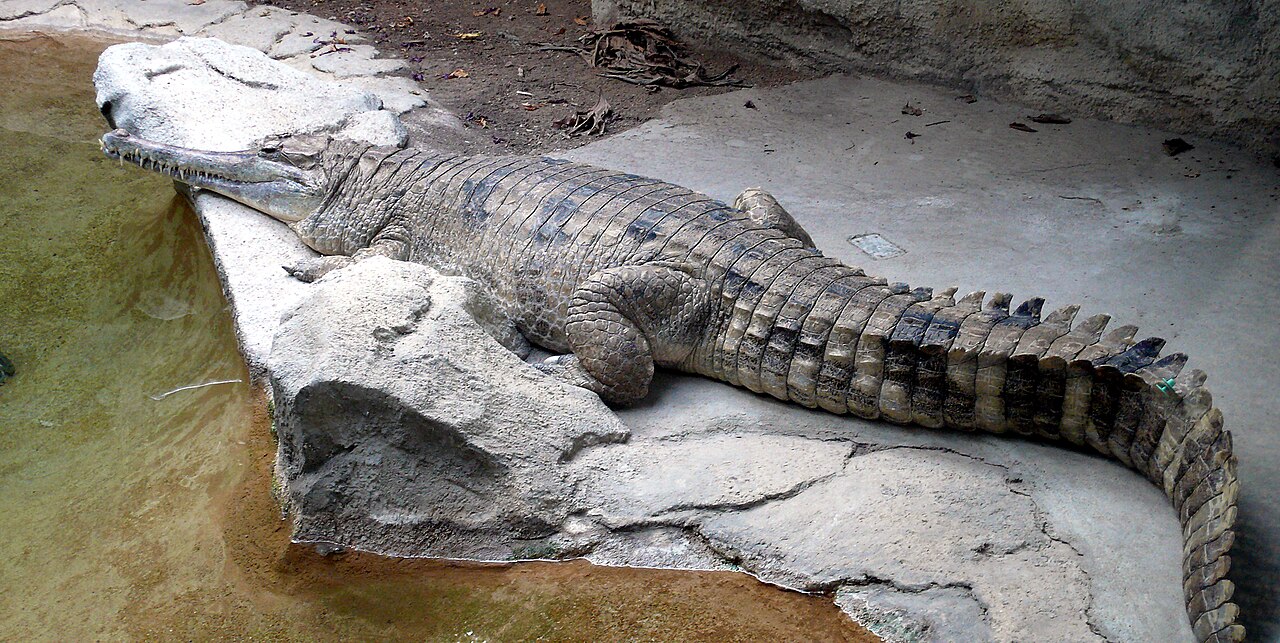
- The Gharial Long Snout: A Precision Fishing Tool
- Low Drag Hydrodynamics
- Interlocking Teeth for Grip
- Selective Feeding Efficiency
- Evolutionary Origins of the Gharial Long Snout
- Divergence from Other Crocodilians
- Convergent Evolution with Other Fish-Eaters
- Habitat and Hunting Behavior Shaped by the Snout
- Side-Sweeping Hunting Technique
- Sexual Dimorphism and the Ghara
- Nesting and Juvenile Behavior
- Physical Limitations and Trade-Offs of the Gharial Long Snout
- Weak Bite Force and Prey Restriction
- Vulnerability to Fishing Nets
- Thermoregulation Challenges
- Conservation Status and the Future of the Gharial
- Habitat Loss and River Alteration
- Captive Breeding and Reintroduction
- Community-Based Conservation
- Conclusion: A Specialized Masterpiece of Evolution
- ❓ Frequently Asked Questions
The gharial long snout is one of the most instantly recognizable features in the animal kingdom, setting this critically endangered reptile apart from every other crocodilian on Earth. With a narrow, elongated jaw that can measure up to three and a half feet in length, the gharial (Gavialis gangeticus) looks almost comically specialized compared to its broader-snouted cousins like the saltwater crocodile or the American alligator. But this peculiar anatomy is no evolutionary accident—it is a masterful adaptation honed over millions of years for a specific lifestyle. To understand why the gharial has such a uniquely long snout, we must dive into its diet, hunting techniques, habitat, evolutionary history, and the very physics of water resistance.
The Gharial Long Snout: A Precision Fishing Tool
The primary reason for the gharial’s elongated snout is its piscivorous diet—gharials eat fish, almost exclusively. Unlike other crocodilians that ambush large mammals, birds, or reptiles, the gharial has evolved to be a specialist fish-eater. The gharial long snout is perfectly designed for slicing through water with minimal drag, allowing the animal to snap its jaws sideways with incredible speed to catch slippery prey.
Low Drag Hydrodynamics
When a gharial lunges its head sideways to grab a fish, the narrow snout creates far less water resistance than a bulky, broad jaw would. This is crucial because fish are fast and agile. The snout’s streamlined shape reduces turbulence, enabling the gharial to accelerate its head rapidly underwater. Studies have measured gharial jaw-snapping speeds at over 10 feet per second, a feat made possible by the minimal frontal area of its snout.
Interlocking Teeth for Grip
Another key feature is the gharial’s dentition. Its mouth is lined with approximately 110 sharp, interlocking teeth—more than any other crocodilian. These teeth are angled slightly outward, creating a perfect fish trap. When the gharial closes its jaws, the teeth mesh together, leaving almost no gap. This prevents a captured fish from wriggling free. The gharial long snout essentially functions as a pair of tweezers with built-in barbs.
Selective Feeding Efficiency
Because the snout is so slender, it cannot exert the crushing bite force of a saltwater crocodile. A gharial’s bite is relatively weak—about 2,000 newtons compared to a saltwater crocodile’s 16,000 newtons. But this is not a disadvantage for a fish-eater. Crushing bone is unnecessary; instead, the gharial needs precision and speed. The long, thin jaws allow it to pluck a single fish from a school without wasting energy on a massive, bone-shattering bite.
Evolutionary Origins of the Gharial Long Snout
Fossil evidence reveals that the gharial long snout is not a recent development. The family Gavialidae dates back to the late Cretaceous period, over 70 million years ago. Ancient gharials, such as the massive Rhamphosuchus from the Miocene, already possessed elongated snouts, though they were even more exaggerated in some extinct species.
Divergence from Other Crocodilians
Genetic studies show that gharials split from the lineage leading to true crocodiles and alligators around 75 million years ago. This long separation allowed the gharial to specialize in a niche that other crocodilians largely avoided: fast-flowing rivers. While broad-snouted crocodiles ambush prey from the water’s edge, gharials evolved to hunt in the open water column. The gharial long snout was the key adaptation that allowed this shift.
Convergent Evolution with Other Fish-Eaters
Interestingly, the gharial is not alone in developing a long, narrow snout for fishing. The Indo-Pacific crocodile (Crocodylus porosus) has a relatively slender snout compared to the African Nile crocodile, and the false gharial (Tomistoma schlegelii) of Southeast Asia also has a long, thin jaw. However, the gharial is the most extreme example. This convergence underscores a simple rule of evolution: if you eat fish, a long, narrow snout is advantageous.
Habitat and Hunting Behavior Shaped by the Snout
The gharial’s habitat is almost entirely restricted to deep, fast-flowing rivers of the Indian subcontinent, including the Ganges, Brahmaputra, and Mahanadi river systems. The gharial long snout is perfectly adapted to these environments, where visibility is often low and currents are strong.
Side-Sweeping Hunting Technique
Unlike crocodiles that lunge forward, gharials hunt with a distinctive side-sweeping motion. They float near the surface with only their eyes and nostrils exposed, then suddenly swing their head sideways at high speed. The gharial long snout acts like a scythe, cutting through the water and trapping fish against the bank or in the jaws. This technique is highly effective for catching fish that swim in schools or along the riverbed.
Sexual Dimorphism and the Ghara
Adult male gharials possess a bulbous growth on the tip of their snout called a ghara (Hindi for "pot"), which gives the species its common name. This structure is a visual and auditory signal used during mating season. Males use the ghara to produce a buzzing sound when exhaling, which attracts females and intimidates rivals. The gharial long snout, therefore, serves a dual purpose: feeding and reproduction. The ghara also helps males stay submerged longer during courtship displays by reducing buoyancy.
Nesting and Juvenile Behavior
Female gharials dig nests on sandy riverbanks, laying 20–95 eggs. Hatchlings have proportionally shorter snouts than adults, which gradually elongate as they mature. Juvenile gharials feed on small fish, insects, and tadpoles. Their shorter snouts at birth may help them catch smaller, slower prey before their specialized fishing technique develops. The gharial long snout reaches its full length only after several years, coinciding with a shift to larger fish.
Physical Limitations and Trade-Offs of the Gharial Long Snout
Every adaptation comes with trade-offs, and the gharial’s snout is no exception. While it excels at catching fish, it imposes significant limitations on the animal’s behavior and ecology.
Weak Bite Force and Prey Restriction
As mentioned, the gharial’s bite force is among the weakest of all crocodilians. This means it cannot take down large mammals or defend itself effectively against predators. Adult gharials are occasionally killed by larger crocodiles, tigers, or even humans. The gharial long snout is so specialized that the animal is virtually incapable of eating anything larger than a medium-sized fish. This dietary restriction makes it vulnerable to changes in fish populations due to overfishing or dam construction.
Vulnerability to Fishing Nets
In modern times, the gharial’s snout has become a liability. The interlocking teeth easily become entangled in gill nets used by fishermen. Many gharials drown after getting caught in nets, a major threat to the species. The gharial long snout, so effective for catching fish, is tragically ineffective at avoiding human-made hazards.
Thermoregulation Challenges
A long, thin snout has a high surface-area-to-volume ratio, which can lead to faster heat loss in cool water. Gharials are cold-blooded and rely on basking to regulate body temperature. Their elongated snouts may require them to spend more time basking than broader-snouted crocodiles, especially during winter months in northern India.
Conservation Status and the Future of the Gharial
The gharial is listed as Critically Endangered on the IUCN Red List, with fewer than 200 breeding adults remaining in the wild. The very features that define the species—including the gharial long snout—are now factors in its decline.
Habitat Loss and River Alteration
Dams, irrigation projects, and sand mining have fragmented the gharial’s river habitat. The species requires deep, flowing water with sandy banks for nesting. Dams reduce water flow and alter sandbar formation, making it difficult for females to find suitable nesting sites. The gharial long snout is ill-suited to stagnant or shallow water, where fish are scarce and predation risk is higher.
Captive Breeding and Reintroduction
Since the 1970s, captive breeding programs in India and Nepal have successfully raised thousands of gharials for release into protected river sanctuaries. These programs have been vital for maintaining genetic diversity. However, released animals still face threats from fishing nets and habitat degradation. The gharial long snout remains a symbol of both evolutionary success and modern vulnerability.
Community-Based Conservation
Local communities along the Ganges have begun to protect gharial nesting sites and reduce fishing in critical areas. In return, conservation groups provide alternative livelihoods, such as eco-tourism guiding. The gharial long snout has become an iconic image for river conservation, drawing tourists who want to see this prehistoric fish-eater in its natural habitat.
Conclusion: A Specialized Masterpiece of Evolution
The gharial long snout is not a quirky oddity but a finely tuned adaptation that allowed this ancient reptile to dominate a specific ecological niche for millions of years. From its hydrodynamic shape and interlocking teeth to its role in courtship and feeding, every inch of the snout tells a story of specialization. Yet this very specialization now threatens the gharial’s survival in a rapidly changing world. Understanding why the gharial has such a uniquely long snout helps us appreciate the delicate balance between evolutionary perfection and environmental fragility. As we work to protect the last wild populations of this remarkable animal, we are not just saving a species—we are preserving a living example of nature’s ingenuity.
❓ Frequently Asked Questions
💬 What is the primary purpose of the gharial's long snout?
The gharial's extremely long, narrow snout is adapted for catching fish, its main diet; it allows the reptile to swiftly slice through water with minimal resistance and snap up prey with precision.
💬 How does the gharial's snout differ from other crocodilians?
Unlike the broad, powerful jaws of crocodiles and alligators, the gharial has a long, slender snout with many sharp, interlocking teeth, specialized for gripping and swallowing fish whole rather than crushing large prey.
💬 Does the gharial's snout help it in any other ways besides hunting?
Yes, the snout's shape also reduces water drag, making the gharial an efficient swimmer in fast-flowing rivers, and males develop a bulbous growth called a ghara on the tip for vocalizations and attracting mates.
💬 Are there any disadvantages to the gharial's long snout?
The specialized snout makes the gharial less effective at hunting larger terrestrial animals, leaving it vulnerable to food shortages when fish populations decline, and it is too delicate for handling tough prey.