- What Makes the Savannah Cat Unique—and Controversial?
- Origins of the Savannah Cat
- Behavioral Traits That Spark Concern
- Why the Savannah Cat Is Banned: The Core Reasons
- Public Safety Risks
- Environmental and Ecological Concerns
- Legal Landscape: Where the Savannah Cat Is Banned
- States with Full Bans
- States with Restrictions
- The Role of Generation in Legal Status
- Understanding Filial Generations
- Why Generation Matters in Bans
- Arguments For and Against the Ban
- Pro-Ban Perspectives
- Anti-Ban Perspectives
- Real-World Examples and Case Studies
- Incidents Involving Savannah Cats
- Success Stories
- Conclusion: The Future of Savannah Cat Ownership
- ❓ Frequently Asked Questions
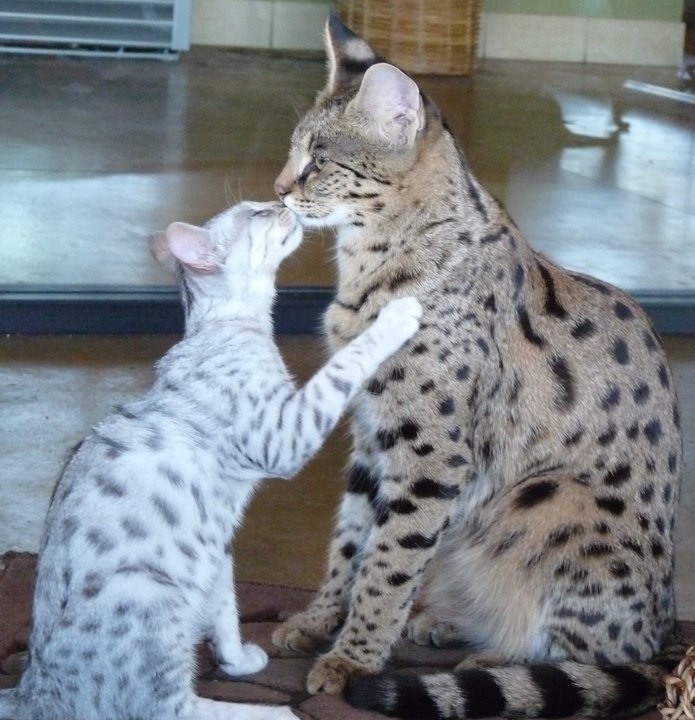
The Savannah cat is banned in several states across the U.S. due to its hybrid nature, combining domestic cat traits with wild African serval ancestry, which raises concerns about public safety, environmental impact, and animal welfare. This striking feline, known for its tall, lean build and spotted coat, has captured the imagination of exotic pet enthusiasts, but its legal status varies widely, with some states outright prohibiting ownership while others impose strict regulations. Understanding why the Savannah cat is banned requires a deep dive into its origins, behavior, and the legislative landscape that governs exotic pets.
What Makes the Savannah Cat Unique—and Controversial?
Origins of the Savannah Cat
The Savannah cat is a hybrid breed first developed in the 1980s by crossing a domestic cat with an African serval (Leptailurus serval). The serval is a medium-sized wild cat native to sub-Saharan Africa, weighing 20–40 pounds and standing up to 24 inches at the shoulder. The resulting Savannah cat inherits the serval's long legs, large ears, and distinctive spotted coat, often reaching 12–25 pounds in weight, with some males exceeding 30 pounds. Their lifespan ranges from 12 to 20 years, comparable to domestic cats, but their energy levels and needs are far from ordinary.
Behavioral Traits That Spark Concern
Savannah cats are highly intelligent, active, and curious. They require extensive enrichment, including large enclosures or safe outdoor spaces, and can be surprisingly dog-like in their loyalty, often following their owners around. However, they retain some wild instincts, such as a strong prey drive, which can lead to chasing small pets or even children. Their diet is carnivorous, requiring high-protein meals, and they may exhibit behaviors like marking territory or attempting to escape enclosures. These traits, while endearing to some owners, are precisely why the Savannah cat banned in certain states—lawmakers worry about the potential for aggression, escapes into the wild, or hybridization with native wildlife.
Why the Savannah Cat Is Banned: The Core Reasons
Public Safety Risks
One of the primary reasons the Savannah cat is banned is the perceived threat to public safety. While breeders argue that well-socialized Savannah cats are no more dangerous than domestic cats, critics point to their size and strength. A Savannah cat can jump up to 8 feet vertically and run at speeds of 30 miles per hour. In rare cases, individuals have reported bites or scratches that require medical attention, though fatalities are unheard of. However, the hybrid nature means that higher-generation Savannahs (F1 or F2, with more serval ancestry) are larger and less predictable. States like Hawaii, Georgia, and Massachusetts have banned all generations, citing the risk of harm to humans, especially children.
Environmental and Ecological Concerns
Another critical factor is the potential impact on local ecosystems. If a Savannah cat escapes or is released, it could establish a feral population, preying on native birds, reptiles, and small mammals. The serval's natural diet includes rodents, birds, and frogs, and Savannah cats retain this hunting instinct. In states like Colorado and New York, officials worry that these hybrids could outcompete native predators or interbreed with feral domestic cats, diluting wild populations. For example, in Texas, where ownership is legal but regulated, there have been reports of escaped Savannah cats being mistaken for exotic predators, leading to public panic and euthanasia.
Legal Landscape: Where the Savannah Cat Is Banned
States with Full Bans
The Savannah cat is banned outright in several U.S. states, including Hawaii, Georgia, Massachusetts, and New York. Hawaii, with its fragile island ecosystem, prohibits any hybrid of wild cats to prevent ecological disruption. Georgia bans "dangerous wild animals," including serval hybrids, under the state's Wildlife Act. Massachusetts classifies all Savannah cats as "wild animals," requiring permits that are rarely granted. New York's ban, enacted in 2005, specifically targets F1 through F4 generations, though some lower-generation Savannahs may be allowed with documentation. In these states, ownership can result in fines, confiscation, or even criminal charges.
States with Restrictions
Other states impose partial bans or strict regulations. For instance, California allows Savannah cats only if they are F5 or later generations (with less than 5% serval ancestry), and owners must obtain a permit. Colorado requires a "dangerous wildlife" permit for F1 and F2 generations, while F3 and below are considered domestic. Texas has no state-wide ban, but some counties like Harris County restrict ownership. In contrast, states like Florida, Nevada, and Pennsylvania have no specific bans, though local ordinances may apply. This patchwork of laws means that prospective owners must research their specific location carefully.
The Role of Generation in Legal Status
Understanding Filial Generations
The Savannah cat is classified by filial generation: F1 is a direct serval-domestic cross (50% serval), F2 has a serval grandparent (25%), F3 (12.5%), and so on. Higher-generation Savannahs (F1–F3) are larger, more energetic, and retain more wild behaviors, such as hissing, spitting, or reluctance to use litter boxes. Lower-generation cats (F4 and beyond) are smaller and more domestic in temperament, often weighing 8–15 pounds. Many states that ban or restrict the Savannah cat focus on F1–F3 generations, while allowing lower-generation cats as pets. For example, in Washington state, F1–F3 are prohibited, but F4 and below are legal.
Why Generation Matters in Bans
The generation directly influences why the Savannah cat is banned in some areas. Lawmakers often assume that higher-generation cats pose greater risks due to their wild traits. However, even lower-generation Savannahs can exhibit high energy and prey drive, leading some states to ban all generations. In New York, the ban includes F1–F4, while in Massachusetts, any Savannah cat, regardless of generation, is considered wild. This inconsistency highlights the lack of scientific consensus on the safety of hybrid pets, with decisions often based on public pressure rather than solid data.
Arguments For and Against the Ban
Pro-Ban Perspectives
Supporters of the ban cite several key points. First, they argue that Savannah cats are not truly domesticated, even after generations of breeding. The American Veterinary Medical Association (AVMA) recommends against keeping wild or hybrid animals as pets due to unpredictable behavior. Second, there are welfare concerns: Savannah cats require large spaces, special diets, and experienced handlers, and many end up in shelters when owners cannot cope. For example, the Animal Humane Society reports that surrendered Savannah cats often show signs of stress, such as over-grooming or aggression. Third, there is the risk of zoonotic diseases, though this is minimal with proper care.
Anti-Ban Perspectives
Opponents of the ban, including breeders and owners, argue that responsible ownership can mitigate risks. They point to the Savannah Cat Club, which promotes ethical breeding and education. Many owners describe their cats as affectionate, trainable, and no more dangerous than a large dog. They also note that bans are often based on fear rather than evidence, citing a lack of documented attacks by Savannah cats. In states like Texas, where ownership is legal, there have been few incidents. Breeders advocate for tiered regulations, where higher-generation cats require permits but are not outright banned.
Real-World Examples and Case Studies
Incidents Involving Savannah Cats
While rare, there are documented cases of Savannah cats causing problems. In 2019, a Savannah cat in Oregon escaped its home and killed several neighbor's chickens, leading to a public outcry and the owner being fined. In another case in Florida, a Savannah cat bit a child during a play session, resulting in a hospital visit and the cat being euthanized. These incidents, while isolated, are often cited by legislators. However, similar incidents occur with domestic cats and dogs, raising questions about whether bans are proportionate.
Success Stories
On the other hand, many Savannah cats live peacefully in homes. For instance, a family in Pennsylvania owns an F2 Savannah named Zuri, who enjoys leash walks and playing fetch. The owner, a veterinarian, emphasizes the importance of proper socialization and a large enclosure. In California, where F5 and above are legal, breeders report few issues with lower-generation cats. These examples show that with responsible ownership, the risks can be managed, but they also highlight the challenges of enforcing uniform laws across diverse regions.
Conclusion: The Future of Savannah Cat Ownership
The debate over why the Savannah cat is banned in some states is unlikely to be resolved soon. As hybrid breeding continues, legislators face the challenge of balancing public safety, ecological protection, and the rights of responsible pet owners. Some states, like Virginia, are considering updates to their laws, while others maintain strict bans. For anyone considering a Savannah cat, thorough research is essential, including checking local laws, understanding the cat's needs, and ensuring they can provide a suitable home. Ultimately, the Savannah cat remains a fascinating but controversial breed, and its legal status reflects broader societal questions about the ethics of keeping wild animals as pets.
❓ Frequently Asked Questions
💬 What makes the Savannah cat illegal in some states?
Savannah cats are banned in some states because they are a hybrid of a domestic cat and a serval, a wild African cat, raising concerns about public safety and potential ecological impact if they escape.
💬 Which states have banned Savannah cats?
States that ban Savannah cats include Alaska, Hawaii, Nebraska, and Iowa, with some states like New York, Massachusetts, and Georgia having restrictions on certain generations, such as F1 or F2 hybrids.
💬 Can I own a Savannah cat if it's a later generation?
In some states with restrictions, owning later-generation Savannah cats (like F4 or F5) may be legal because they are considered more domesticated and less likely to exhibit wild behaviors, but you must check local laws as regulations vary.
💬 Why are Savannah cats considered dangerous by some authorities?
Authorities consider Savannah cats potentially dangerous due to their serval ancestry, which can result in larger size, high energy, and strong hunting instincts, posing risks to small pets and wildlife if they escape or are not properly contained.