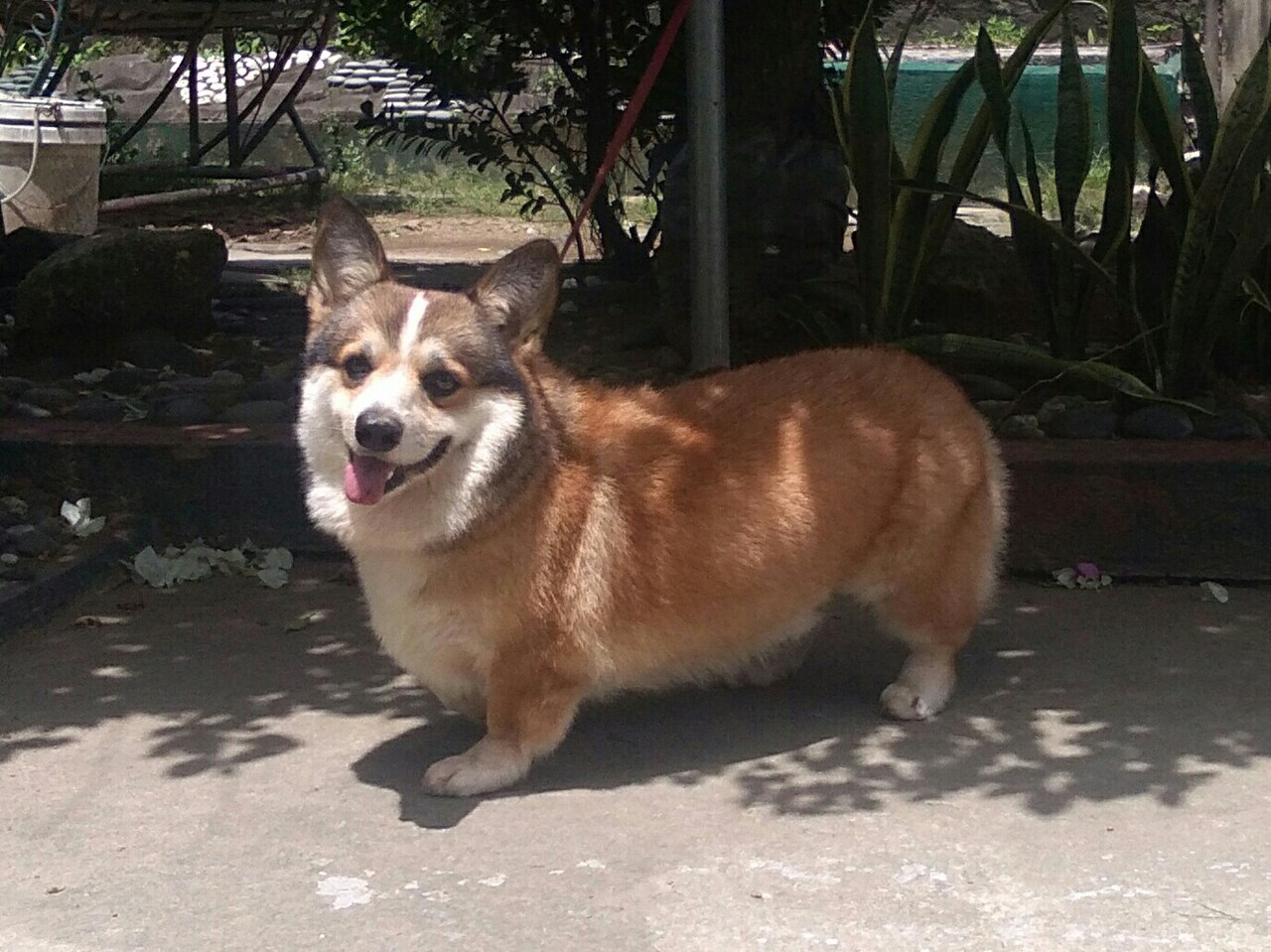
- The Genetic Blueprint Behind Working Corgis Short Legs
- How Chondrodysplasia Works
- Real-World Measurements
- Why Working Corgis Short Legs Were a Farming Advantage
- Dodging Kicks and Horns
- Navigating Rocky Terrain and Fences
- The Surprising Speed and Endurance of Working Corgis Short Legs
- Energy Efficiency for Long Workdays
- Real-World Example: The Corgi on the Ranch
- Health and Lifespan of Working Corgis with Short Legs
- Common Health Issues
- Diet and Exercise for a Working Corgi
- Real-World Breeding Practices
- Behavior and Temperament of the Working Corgi
- Herding Instincts
- Socialization and Adaptability
- The Evolution of the Corgi's Short Legs in Modern Times
- Show vs. Working Lines
- Global Popularity and Misconceptions
- Conclusion: The Genius of the Corgi's Design
- ❓ Frequently Asked Questions
The mystery of working corgis short legs has fascinated dog lovers and scientists alike for decades, revealing a perfect blend of form and function in one of the world's most beloved herding breeds. While their stubby limbs might seem like a design flaw for a dog bred to chase livestock across rugged terrain, these surprisingly short legs are actually a brilliant evolutionary and selective adaptation. In this article, we will explore the history, biology, and practical advantages behind this iconic trait, diving deep into how the Pembroke Welsh Corgi and Cardigan Welsh Corgi use their diminutive stature to excel as working dogs.
The Genetic Blueprint Behind Working Corgis Short Legs
The distinctive short legs of corgis are not a random mutation but a result of a specific genetic condition known as chondrodysplasia. This is a form of dwarfism that affects the development of cartilage in the long bones of the legs, causing them to be shorter and often slightly bowed. Unlike some forms of dwarfism that can cause health problems, the chondrodysplasia in corgis is selectively bred to be proportionate, allowing them to maintain a strong, agile body despite their low center of gravity.
How Chondrodysplasia Works
Chondrodysplasia is caused by a dominant gene variant (often labeled as the FGF4 retrogene on chromosome 18 in some breeds, though corgis have a unique expression). This gene instructs the growth plates in the leg bones to stop growing earlier than normal, while the rest of the skeleton—including the spine and head—continues to develop at a standard pace. This results in a dog that is longer in body relative to leg length, a hallmark of the breed. For a working corgi, this is not a disability but a deliberate design choice made by farmers over centuries.
Real-World Measurements
To put this into perspective, a typical adult Pembroke Welsh Corgi stands just 10 to 12 inches at the shoulder, yet can weigh between 25 and 30 pounds. Compare this to a Border Collie, which stands about 18 to 22 inches tall at the shoulder but weighs a similar amount. The corgi's low profile is achieved by sacrificing leg length, not muscle mass. In fact, working corgis often have remarkably powerful hindquarters and deep chests, enabling them to sprint, turn, and change direction with incredible speed.
Why Working Corgis Short Legs Were a Farming Advantage
The primary reason working corgis short legs became a breed standard lies in their original job: herding cattle and other large livestock across the open fields of Wales. Unlike sheepdogs that work from a distance, corgis were expected to nip at the heels of cows and drive them forward, often in tight spaces or under fences. Their short legs gave them a unique tactical edge that taller dogs simply could not match.
Dodging Kicks and Horns
Cows are large, powerful animals that can deliver a lethal kick. A tall dog is more likely to be struck in the chest or head, while a corgi's low stature places its vital organs closer to the ground, making it a smaller target. Additionally, the short legs allow the corgi to duck under the belly of a cow or quickly pivot away from a swinging horn. This agility is crucial for a working dog that must be fearless yet evasive. Farmers in Wales specifically bred for this trait, selecting dogs that could work in close quarters without injury.
Navigating Rocky Terrain and Fences
The Welsh countryside is dotted with stone walls, rocky hillsides, and low-hanging fences. A corgi's short legs allow it to scramble over stones and through gaps that would slow down a taller dog. Their compact size also means they can fit under gates and crawl through brush to flush out stubborn cattle. In fact, the name "Corgi" is thought to derive from the Welsh words "cor" (dwarf) and "gi" (dog), a direct reference to their small stature. This ability to navigate difficult terrain made them indispensable to Welsh drovers who moved cattle to market.
The Surprising Speed and Endurance of Working Corgis Short Legs
It is a common misconception that short legs make corgis slow. In reality, working corgis are remarkably fast and have excellent stamina. Their low center of gravity allows them to make sharp turns at high speed without losing balance, a skill vital for herding unpredictable livestock. While a Greyhound might outrun a corgi in a straight line, the corgi excels in agility and maneuverability.
Energy Efficiency for Long Workdays
Short legs require less energy to move over short distances compared to long legs, especially when the dog is constantly changing direction. A working corgi can spend hours trotting alongside a herd, covering many miles in a day, without tiring as quickly as a larger breed. Their compact build also reduces heat loss in colder climates, as they have less surface area relative to their body mass. This is why corgis were often kept outdoors in Welsh farmyards, where they would work through rain and cold.
Real-World Example: The Corgi on the Ranch
Modern working corgis, such as those used on small farms in the United States or the United Kingdom, still demonstrate this stamina. For instance, a corgi named Ffraid (pronounced "Freed") on a farm in Pembrokeshire, Wales, was documented herding a group of 50 sheep over a distance of 3 miles in under an hour, using constant short bursts of speed to keep the flock together. Her owner noted that her short legs allowed her to "hug the ground" and anticipate the sheep's movements without wasting energy on high strides.
Health and Lifespan of Working Corgis with Short Legs
While the short legs of working corgis are a functional advantage, they also come with specific health considerations that responsible breeders and owners must address. The same genetic traits that make them excellent herders can also predispose them to certain conditions, particularly related to the spine and joints.
Common Health Issues
The long back combined with short legs puts corgis at a higher risk for intervertebral disc disease (IVDD), a condition where the discs between the vertebrae can bulge or rupture. This is a serious issue that can cause pain, paralysis, or mobility problems. To mitigate this, working corgis should not be allowed to jump from high surfaces repeatedly, and they should maintain a healthy weight. Their average lifespan is 12 to 15 years, which is quite long for a dog of their size, thanks in part to their robust overall health when properly cared for.
Diet and Exercise for a Working Corgi
Working corgis require a high-protein diet to support their active lifestyle. A typical diet for a farm corgi might include 2 to 3 cups of high-quality kibble per day, supplemented with raw meat or vegetables. They need at least 1 to 2 hours of vigorous exercise daily, including running, herding, or agility training. Without this, they can become overweight, which puts additional strain on their short legs and long back. Owners should monitor their corgi's weight closely, as even a few extra pounds can lead to joint issues.
Real-World Breeding Practices
Reputable breeders of working corgis prioritize health over appearance. They screen for hip dysplasia, eye problems, and genetic markers for IVDD. The goal is to produce dogs that retain the short legs needed for herding but have a strong, well-proportioned body that can withstand the demands of farm life. This is why working corgis often look slightly more athletic than their show-ring counterparts, with less exaggerated shortness in the legs.
Behavior and Temperament of the Working Corgi
The short legs of a corgi are matched by a bold and intelligent personality. Working corgis are known for being confident, alert, and sometimes bossy—traits that are essential for controlling livestock much larger than themselves. They are also highly trainable and eager to please, making them excellent partners for farmers and pet owners alike.
Herding Instincts
A working corgi's herding instinct is so strong that they will often try to herd children, other pets, or even their owners. This behavior is rooted in their history as heelers—dogs that nip at the heels of cattle to move them forward. While this can be managed with training, it is important for owners to understand that this is a natural expression of their breed's purpose. Without a job to do, a corgi may become bored and develop destructive habits.
Socialization and Adaptability
Despite their working background, corgis adapt well to family life, provided they get enough exercise and mental stimulation. They are generally good with children and other dogs, though their herding instinct may cause them to chase smaller animals. Their short legs do not prevent them from being excellent watchdogs, as they are vocal and protective of their territory. In fact, many corgis still serve as farm dogs today, guarding chickens and alerting owners to intruders.
The Evolution of the Corgi's Short Legs in Modern Times
While the working corgi short legs were originally bred for function, they have also become a defining aesthetic feature of the breed. Today, corgis are more commonly kept as companion animals than as working dogs, but their short legs remain a beloved characteristic. However, the shift from farm to family home has raised questions about whether the breed's original traits are still being preserved.
Show vs. Working Lines
There is a noticeable difference between corgis bred for the show ring and those bred for work. Show corgis often have shorter, more exaggerated legs and a heavier coat, while working corgis tend to have slightly longer legs and a more athletic build. This divergence has led some breeders to advocate for preserving the "working type" corgi, which retains the agility and endurance needed for herding. The Pembroke Welsh Corgi Club of America, for example, encourages breeders to maintain the breed's functional abilities, not just its appearance.
Global Popularity and Misconceptions
The corgi's short legs have made them internet sensations, with millions of fans admiring their "fluffy butts" and waddling gait. However, this popularity has also led to misconceptions. Some people mistakenly believe that all corgis are lazy or prone to obesity, when in fact they are high-energy dogs that require significant exercise. Others assume that their short legs make them fragile, but a well-bred working corgi is surprisingly sturdy and resilient.
Conclusion: The Genius of the Corgi's Design
The working corgis short legs are not a quirk of nature but a masterstroke of selective breeding, perfectly tailored to the demands of herding cattle on the rugged Welsh landscape. From dodging kicks to navigating stone fences, these low-slung dogs prove that sometimes the best things come in small packages. Their genetic makeup, behavior, and health all reflect a history of practical design, and understanding this background helps owners appreciate the remarkable capabilities of this iconic breed. Whether on a farm or in a living room, the corgi's short legs continue to serve as a reminder that form and function can work together in beautiful harmony.
❓ Frequently Asked Questions
💬 Why do Corgis have such short legs compared to other herding dogs?
Corgis' short legs are a result of a genetic condition called achondroplasia, or dwarfism, which was selectively bred to allow them to nip at cattle's heels while staying low to avoid kicks.
💬 Do short legs help Corgis with their original herding job?
Yes, their short stature and low center of gravity made it easier for them to dodge cattle hooves and maneuver quickly around livestock, especially when herding in tight spaces or uneven terrain.
💬 Are short legs a health problem for working Corgis?
Short legs can increase the risk of joint issues like hip dysplasia and intervertebral disc disease, but responsible breeding and proper exercise can help minimize these risks in working dogs.
💬 Can Corgis still be effective working dogs despite their short legs?
Absolutely, their intelligence, agility, and endurance compensate for their leg length, and they remain excellent herders of cattle and sheep, especially on farms where their unique build is advantageous.