- Key Traits of the Anatolian Shepherd
- The Anatolian Shepherd's Method of Protection
- The Importance of Training and Socialization
- Benefits of Using Anatolian Shepherds for Livestock Protection
- Resources for More Information
- Training Techniques for Anatolian Shepherds: Best Practices and Tips
- Establishing Leadership
- Positive Reinforcement
- Socialization
- Regular Training Sessions
- Understanding Commands
- Managing Independence
- Conclusion
- ❓ Frequently Asked Questions
- 💬 Are Anatolian Shepherds good family dogs?
- 💬 How much space do Anatolian Shepherds need?
- 💬 What predators do Anatolian Shepherds protect livestock from?
The Role of the Anatolian Shepherd in Livestock Protection
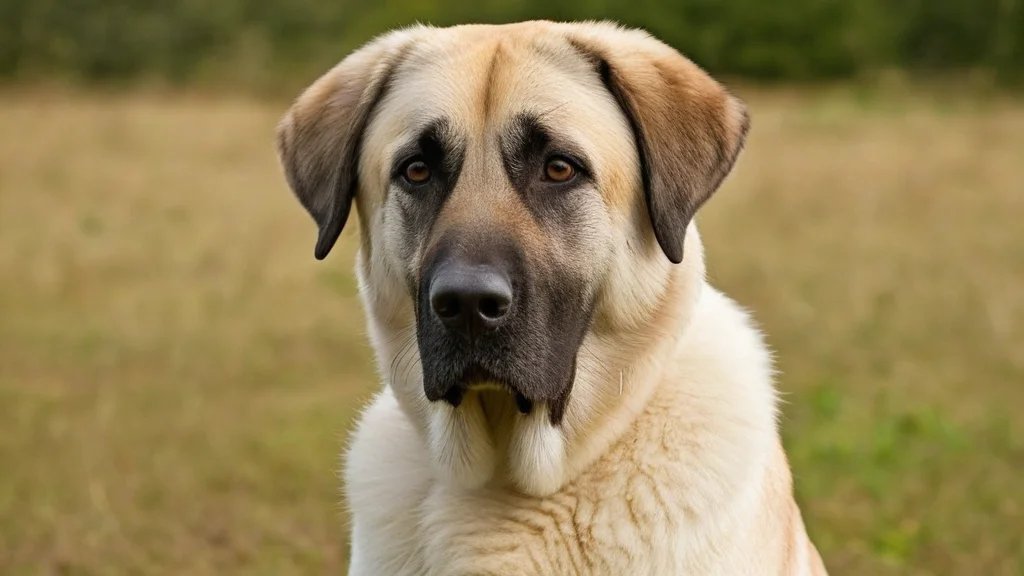
The Anatolian Shepherd is a remarkable breed known for its strength, intelligence, and loyalty, specifically designed to protect livestock. Originating from the Anatolia region of Turkey, these dogs have been protecting sheep and other livestock for centuries. Their natural instinct to guard and their ability to operate independently make them essential partners for farmers and ranchers.Key Traits of the Anatolian Shepherd
The Anatolian Shepherd possesses several key traits that make them outstanding livestock guardians:- Strong Protective Instinct: These dogs are deeply loyal and have an ingrained guarding instinct. They view the livestock as part of their family, which drives them to protect them fiercely.
- Independence: Unlike other breeds, the Anatolian Shepherd does not require constant supervision. They can make decisions on their own, assessing threats and responding appropriately without waiting for commands.
- Size and Strength: They are large dogs, often weighing between 90 to 150 pounds. Their size alone can deter predators, while their strength allows them to confront threats if necessary.
- Adaptability: The Anatolian Shepherd can thrive in various environments ranging from farms to rural areas. They can adapt to different climates and terrains, making them versatile guardians.
The Anatolian Shepherd's Method of Protection
These dogs employ various strategies to safeguard livestock:- Territorial Behavior: Anatolian Shepherds are very territorial. They will patrol their area regularly, marking their territory to warn potential intruders.
- Vocal Warnings: One of the first lines of defense is their loud bark. This serves as a warning to predators that they should stay away.
- Physical Confrontation: In cases where predators ignore their warnings, Anatolian Shepherds are not afraid to take physical action. They will protect their herd by confronting threats directly.
The Importance of Training and Socialization
While the Anatolian Shepherd has natural instincts to protect, proper training and socialization are crucial for them to be effective. Early exposure to various people, animals, and environments helps enhance their confidence and reduces the likelihood of aggressive behaviors. Training should focus on basic obedience, reinforcing good behavior while ensuring they understand their role within the family and the flock.Tips for Effective Training
Here are some tips to help train your Anatolian Shepherd effectively:- Start training at a young age to establish a strong foundation.
- Use positive reinforcement techniques to encourage good behavior.
- Expose them to different livestock and environments to build their confidence.
- Consistently practice commands and ensure that all family members are on the same page with training methods.
Benefits of Using Anatolian Shepherds for Livestock Protection
Employing Anatolian Shepherds for livestock protection brings various benefits:- Cost-Effective: By using dogs instead of fencing or other security measures, farmers can save money over time.
- Reduction in Livestock Losses: Their presence deters common predators like coyotes and wolves, significantly decreasing livestock loss rates.
- Increased Livestock Welfare: Livestock are less stressed when they sense they are protected by a guardian, leading to healthier animals overall.
Resources for More Information
If you're interested in learning more about the Anatolian Shepherd and their role in livestock protection, consider visiting the following websites:- American Kennel Club
- Anatolian Shepherd Dog Club of America
Training Techniques for Anatolian Shepherds: Best Practices and Tips
The Anatolian Shepherd is a remarkable dog breed known for its protective instincts and loyalty. When it comes to training these impressive animals, various techniques can help ensure they become well-behaved companions. Since Anatolian Shepherds are naturally independent, training must emphasize structure, patience, and consistency. Here are some effective training techniques that can make a significant difference in your dog's behavior.Establishing Leadership
One of the most effective training techniques for an Anatolian Shepherd is establishing yourself as a leader. This breed thrives on structure and requires a confident owner to guide them. Here are several tips to help you become an effective leader:- Be consistent in your commands and expectations.
- Use positive reinforcement to reward good behavior.
- Maintain control during training sessions, making sure to keep them focused and engaged.
Positive Reinforcement
Using positive reinforcement is essential in training Anatolian Shepherds. This technique motivates the dogs to perform desired behaviors through rewards such as treats, praise, or favorite toys. Here’s how to effectively implement positive reinforcement:- Recognize and reward your dog immediately when they perform the desired action.
- Gradually reduce the treats as your dog becomes more familiar with commands, transitioning to verbal praise.
- Be patient; learning takes time, and consistency will pay off.
Socialization
Socializing your Anatolian Shepherd is vital for their development. Early exposure to various people, environments, and situations helps them grow into well-adjusted adults. Follow these socialization tips:- Introduce your dog to various circumstances, such as parks, busy streets, and homes with other pets.
- Enrol in puppy classes to promote interaction with other dogs and people.
- Expose them to different sounds, sights, and smells to build confidence.
Regular Training Sessions
Maintaining regular training sessions can improve your relationship with your Anatolian Shepherd. Short, frequent sessions are more effective than infrequent long ones. Aim for the following:- Keep sessions between 5 to 15 minutes long.
- Incorporate a variety of commands and tricks to keep your dog engaged.
- End each session on a positive note to encourage your dog’s enthusiasm for training.
Understanding Commands
Clearly teaching and understanding commands is crucial. Anatolian Shepherds respond best to firm yet gentle commands. Here are a few effective strategies:- Use one-word commands, such as “sit,” “stay,” and “come.”
- Always communicate with a calm and confident voice.
- Practice commands in different environments to help your dog learn to follow them anywhere.
Managing Independence
Due to their natural independence, Anatolian Shepherds may tend to ignore commands at times. Here are some ways to manage this trait:- Provide mental stimulation through puzzle toys and activities that challenge their intelligence.
- Engage in regular physical exercise, such as walks or runs, to tire them out.
- Use commands followed by a reward to reinforce their motivation to listen.
| Training Technique | Benefits |
|---|---|
| Positive Reinforcement | Encourages good behavior and strengthens your bond. |
| Socialization | Helps develop a well-adjusted and confident adult dog. |
| Regular Sessions | Keeps your dog engaged and quickens the learning process. |
| Understanding Commands | Ensures clear communication and better responsiveness. |
| Managing Independence | Encourages motivation and reduces stubbornness. |
Conclusion
The Anatolian Shepherd stands as a formidable guardian and companion, particularly noted for its role in livestock protection. These dogs possess an innate ability to sense threats and act decisively, making them invaluable assets to farmers and ranchers who rely on livestock. Understanding the responsibilities placed upon these dogs fosters not just security for livestock but also strengthens the bond between shepherd and guardian. Effective training techniques play a crucial role in ensuring the Anatolian Shepherd fulfills its potential. By employing positive reinforcement and consistent commands, owners can instill discipline and responsiveness in these independent thinkers. Establishing a clear hierarchy and creating a structured routine are best practices that enhance training efforts. Engaging these intelligent dogs in age-appropriate activities, along with socialization, can help cultivate their protective instincts while balancing their unique character. Successfully integrating the Anatolian Shepherd into your lifestyle requires commitment and knowledge. These dogs are not just pets; they are partners in guarding and nurturing livestock. By deeply understanding their roles and fostering a proper training regimen, you enhance not only the effectiveness of your Anatolian Shepherd but also create a harmonious living and working environment. In embracing this powerful breed, you can experience the peace of mind that comes from having a loyal protector watch over your animals. Each interaction with your Anatolian Shepherd offers the opportunity to strengthen your relationship, ensuring that both you and your canine companion thrive together.❓ Frequently Asked Questions
💬 Are Anatolian Shepherds good family dogs?
Anatolian Shepherds are primarily working dogs bred for livestock protection, which makes them less suitable for typical family environments. They have strong guarding instincts, require extensive training, and may not be ideal for families with small children or other pets.
💬 How much space do Anatolian Shepherds need?
Anatolian Shepherds require large, open spaces due to their working background and high energy levels. They are best suited to rural properties or farms with significant acreage, where they can roam and perform their natural livestock guarding duties.
💬 What predators do Anatolian Shepherds protect livestock from?
Anatolian Shepherds are renowned for protecting livestock from predators like wolves, coyotes, and bears. Their large size, strength, and protective instincts make them highly effective at deterring and confronting potential threats to sheep, goats, and other farm animals.