- What Are Boxers Zoomies, Exactly?
- Why the Name "Zoomies"?
- Why Do Boxers Get the Zoomies? The Core Reasons
- 1. Pent-Up Energy That Needs a Release Valve
- 2. Emotional Overflow — Good and Bad
- 3. The Joy of Anticipation
- 4. Age and Adolescence
- Are the Boxers Zoomies Normal and Healthy?
- When to Be Cautious
- Triggers: What Sets Off a Boxer Zoom Session
- How to Handle a Zooming Boxer Safely
- Set Up a Safe Space
- Redirect, Don't Restrain
- Prevent the Buildup
- Zoomies and Boxer Health: What Owners Should Know
- When to Call the Vet
- Frequently Asked Questions About Boxers Zoomies
- Do all boxers get the zoomies?
- Are zoomies a sign of a problem?
- Should I stop my boxer from zooming?
- Can zoomies be trained away?
- The Bottom Line on Boxers Zoomies
- ❓ Frequently Asked Questions
If you share your home with one of these muscular, mug-bumping comedians, you have almost certainly witnessed the sudden explosion of laps, spins, and couch vaults known as the boxers zoomies. One moment your dog is dozing in a sunbeam, and the next they are a blur of brindle fur ricocheting off the furniture like a pinball with a joy buzzer. It looks chaotic, it sounds like a herd of small horses, and it leaves owners laughing and slightly worried in equal measure. The good news is that the boxers zoomies are a normal, healthy, and deeply canine behavior — and understanding why they happen helps you manage them safely and even enjoy them.
What Are Boxers Zoomies, Exactly?
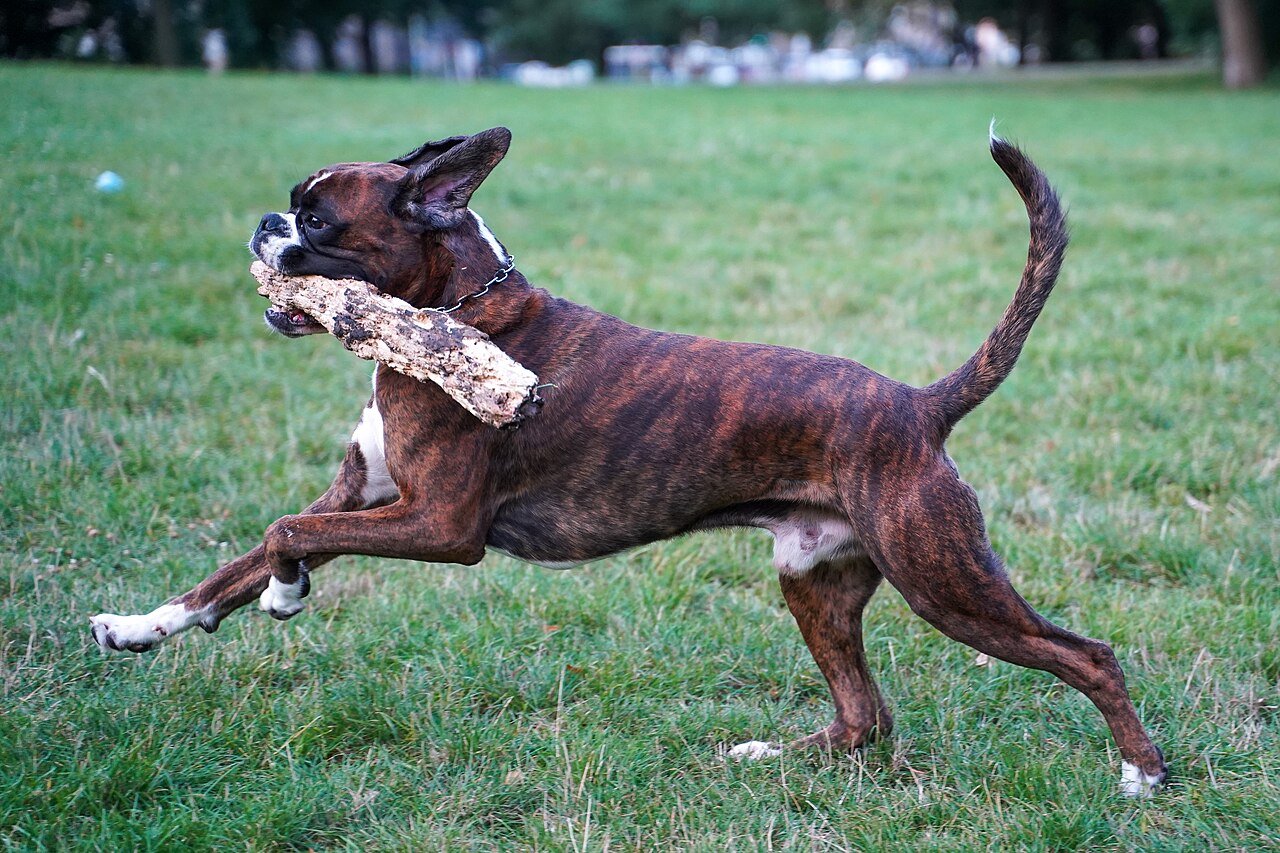
The zoomies have a scientific name: Frenetic Random Activity Periods, or FRAPs. Researchers and trainers use this term to describe short bursts of intense, seemingly chaotic activity that last anywhere from a few seconds to a couple of minutes. During a FRAP, a dog sprints in tight circles, zigzags across the yard, play-bows, spins, and sometimes makes exaggerated snapping motions at the air. Then, as abruptly as it began, it stops — often flopping down with a happy sigh as if nothing happened.
Boxers are among the breeds most famous for these episodes, and for good reason. They were developed in Germany in the late 1800s as working dogs, bred from ancestors including the now-extinct Bullenbeisser and various bulldog and terrier lines. That heritage gave them a powerful, athletic build — adult males typically stand 23 to 25 inches at the shoulder and weigh 65 to 80 pounds, while females run 21.5 to 23.5 inches and 50 to 65 pounds — and a seemingly inexhaustible supply of enthusiasm. When that energy has nowhere to go, it comes out in a burst.
Why the Name "Zoomies"?
The nickname is purely descriptive. Owners watching their dog tear around the living room at top speed coined the term because the animal appears to "zoom" from one spot to another. For boxers specifically, the behavior is so common that many owners can predict it: the post-bath explosion, the after-dinner sprint, the evening "witching hour" circuit around the sofa.
Why Do Boxers Get the Zoomies? The Core Reasons
There is no single trigger for the boxers zoomies. Instead, the behavior is the result of several factors working together — breed temperament, energy regulation, emotion, and age. Here are the most common causes.
1. Pent-Up Energy That Needs a Release Valve
Boxers are high-drive working dogs with a genuine need for daily exercise. The breed standard describes them as having "great stamina," and a bored boxer is a boxer looking for a job. When physical and mental exercise fall short of what the dog needs, energy accumulates like pressure in a kettle. A FRAP is the whistle blowing. A healthy adult boxer generally benefits from at least 60 to 90 minutes of activity per day, split between walks, play, and training games — and many need more.
2. Emotional Overflow — Good and Bad
Zoomies are often an emotional release. Excitement is the classic trigger: the return of a favorite human, the jingle of a leash, the appearance of a doggy friend at the park. But stress and overstimulation can trigger them too. A tense vet visit, a bath, a loud argument, or a crowded party can all leave a dog with feelings that need somewhere to go. Boxers are famously sensitive to their people's moods, so a tense household can translate directly into frantic laps.
3. The Joy of Anticipation
Many boxers zoom before something good happens. The dog knows the walk comes after the shoes go on, so the excitement builds and spills over into a pre-walk sprint. This anticipatory zoom is a sign of a dog that has learned its routine well — and it is one of the most endearing versions of the behavior.
4. Age and Adolescence
Boxers have a long puppyhood. They typically reach physical maturity around 18 months but often retain puppyish exuberance well into their third year. Adolescent boxers — roughly 6 to 18 months — are the most prolific zoomers, simply because their bodies are flooded with energy and their impulse control is still under construction. Even seniors get the occasional burst, though usually shorter and slower.
Are the Boxers Zoomies Normal and Healthy?
In the vast majority of cases, yes. A FRAP is a sign of a happy, healthy dog with energy to spare. The behavior is seen across breeds and mixes, but it is especially common in high-energy working and sporting breeds such as boxers, Labrador retrievers, border collies, and Jack Russell terriers. Puppies and young adults zoom most often, and many dogs retain the habit for life.
That said, context matters. A zoom session that happens at the same time every evening after a long day alone is a signal that the dog needs more stimulation. A zoom that happens only after baths or stressful events is a stress-release behavior worth addressing. And a sudden onset of frantic behavior in a normally calm senior dog warrants a vet visit, since restlessness can sometimes signal pain or discomfort.
When to Be Cautious
Zoomies themselves are not dangerous, but the environment can be. Hardwood floors, stairs, glass doors, and furniture corners are all hazards for a 70-pound dog moving at full speed. Boxers are also brachycephalic — flat-faced — which means they can overheat and struggle to breathe in hot weather or during intense exertion. Keep zoom sessions short in summer heat, offer water afterward, and never encourage frantic running in temperatures above roughly 85°F (29°C).
Triggers: What Sets Off a Boxer Zoom Session
Every boxer has its own personal trigger list, but owners report a remarkably consistent set of catalysts. Watching for them helps you predict and manage the behavior.
- Bath time: The post-bath zoom is legendary. Water, towel-drying, and the release of tension after a stressful event combine into a guaranteed sprint.
- Homecoming: The return of a family member after work or school is prime zoom time, especially if the dog has been alone for hours.
- After meals: Some boxers get a burst of energy shortly after eating, particularly if dinner follows a long nap.
- Evening "witching hour": Many dogs, especially adolescents, get a predictable burst of energy in the early evening, often around 7 to 9 p.m.
- Play escalation: A game of tug or fetch can tip into a full FRAP when excitement peaks.
- New environments: A new backyard, a fresh snowfall, or an unfamiliar room can spark exploratory sprinting.
- Stress or conflict: A scolding, a vet visit, or a tense encounter with another dog can produce a stress-driven zoom afterward.
How to Handle a Zooming Boxer Safely
You cannot and should not try to stop a FRAP mid-flight. Intervening physically risks injury to you and the dog. Instead, focus on making the environment safe and letting the storm pass.
Set Up a Safe Space
Clear the zoom zone. Move breakable objects, close baby gates at the top of stairs, and make sure exterior doors are shut. If your boxer zooms indoors, consider a non-slip rug or runner on hardwood floors to prevent sliding injuries. A fenced yard is the ideal venue — boxers are athletic jumpers, so check that fences are at least 5 to 6 feet high and secure.
Redirect, Don't Restrain
If the zoom is happening in an unsafe spot, calmly call your dog to a safer area or toss a favorite toy in the direction you want them to go. Avoid chasing, which turns the zoom into a game and can escalate it. Once the burst ends, reward calm behavior with praise or a chew toy so the dog learns that settling is just as rewarding as sprinting.
Prevent the Buildup
The best cure for a FRAP is a tired boxer. Build a daily routine that includes:
- Structured walks — 30 to 45 minutes twice daily, with sniffing time built in for mental enrichment.
- Play sessions — fetch, tug, or flirt-pole work for 10 to 15 minutes at a time.
- Training games — puzzle feeders, hide-and-seek, and short obedience sessions tire the brain as much as the body.
- Social time — boxers are people-oriented dogs and thrive on interaction; a lonely boxer is more likely to zoom from frustration.
Zoomies and Boxer Health: What Owners Should Know
Boxers are generally hardy, with an average lifespan of 10 to 12 years, but the breed has some known health considerations worth keeping in mind when managing high-energy behavior.
Like all flat-faced breeds, boxers can be sensitive to heat and exertion. Their shortened muzzles make cooling less efficient, so watch for heavy panting, drooling, or wobbliness during or after a zoom — signs of overheating. Boxers are also prone to certain heart conditions, including boxer cardiomyopathy (arrhythmogenic right ventricular cardiomyopathy), and to various cancers, so regular veterinary checkups are essential. A dog with a heart condition may need its exercise intensity adjusted, and a vet can advise on safe activity levels.
In addition, boxers are known for their playful, sometimes clownish behavior and their tendency to "box" with their front paws — a trait inherited from their working-dog ancestors. That pawing instinct often shows up during zoom sessions as playful swats and spins. It is normal, but it is another reason to keep nails trimmed and play areas clear.
When to Call the Vet
Contact your veterinarian if zoom episodes are accompanied by collapse, unusual breathing sounds, excessive panting that does not settle, or if a previously calm dog suddenly becomes restless and frantic. These can be signs of pain, respiratory issues, or other medical problems that deserve professional attention.
Frequently Asked Questions About Boxers Zoomies
Do all boxers get the zoomies?
Most do at some point, especially as puppies and young adults. Individual dogs vary — some zoom daily, others only occasionally — but the behavior is common enough to be considered a breed hallmark.
Are zoomies a sign of a problem?
Usually not. Zoomies are normal canine behavior and often a sign of happiness and good health. They only become a concern when they are clearly stress-driven, happen excessively, or are accompanied by other symptoms.
Should I stop my boxer from zooming?
No — but you should manage the environment so the zoom is safe. Redirecting to a fenced yard or a cleared room is far better than trying to restrain a sprinting dog.
Can zoomies be trained away?
You cannot eliminate the underlying energy, but you can reduce the frequency by meeting exercise and enrichment needs, and you can teach a "settle" cue that helps the dog calm down after a burst. Consistency and patience are key.
The Bottom Line on Boxers Zoomies
The boxers zoomies are one of the most joyful quirks of one of the most joyful breeds. They are the visible overflow of a working dog's energy, a sensitive dog's emotions, and a playful dog's love of life. Rather than viewing the behavior as a problem to be stamped out, treat it as information: it tells you how much exercise your dog needs, how they handle excitement and stress, and how well their daily routine is meeting their needs. Provide plenty of safe exercise, a secure space to run, mental challenges to tire the brain, and calm reinforcement afterward, and the zoom sessions will become what they were always meant to be — a source of laughter, not worry. If you ever notice a sudden change in your boxer's behavior or energy levels, a quick check with your veterinarian is always a wise move. Otherwise, clear the coffee table, stand back, and enjoy the show.
❓ Frequently Asked Questions
💬 What are the zoomies in Boxers?
Zoomies (frenetic random activity periods, or FRAPs) are sudden bursts of high-energy running, spinning, and darting that many dogs, including Boxers, experience. They're a normal way for dogs to release pent-up energy and excitement.
💬 Are Boxer zoomies a sign of a health problem?
Usually not—zoomies are normal and healthy, especially in young, high-energy breeds like Boxers. But if the bursts seem compulsive, come with disorientation, or are new in an older dog, check with your vet to rule out pain or neurological issues.
💬 How can I stop or manage my Boxer's zoomies?
You can't really stop zoomies, but you can reduce them by giving your Boxer plenty of daily exercise, mental enrichment, and structured play. When a burst starts, keep the area safe and avoid chasing or grabbing, which can escalate the excitement.
💬 Why do Boxers get the zoomies at night or after a bath?
Zoomies often follow exciting or arousing events like a bath, a walk, or a long rest, and many dogs get a burst of energy in the evening. Boxers are especially playful and bouncy, so these triggers commonly set off a zoomie session.