- The Basics: What Exactly Is Growing on a Manatee's Back?
- It Is Not Fur or Mold
- Why Do Manatees Algae Backs Happen? The Slow-Living Explanation
- Warm Water Is a Fertilizer
- Sunlight and Shallow Water
- The Manatee's Skin: A Perfect Algae Anchor
- Why Some Manatees Look Greener Than Others
- Is the Algae Harmful to Manatees?
- Algae as a Health Indicator
- Grooming, Scratching, and the Limits of Algae Growth
- Symbiosis or Just Coexistence?
- Manatees Algae Backs and the Bigger Picture: Diet, Habitat, and Lifespan
- Where Manatees Live
- Conservation Status
- Common Questions About Manatees Algae Backs
- Do manatees get itchy from the algae?
- Do all manatees have algae?
- Can the algae hurt humans?
- Does the algae fall off?
- A Green Coat With a Deeper Meaning
- ❓ Frequently Asked Questions
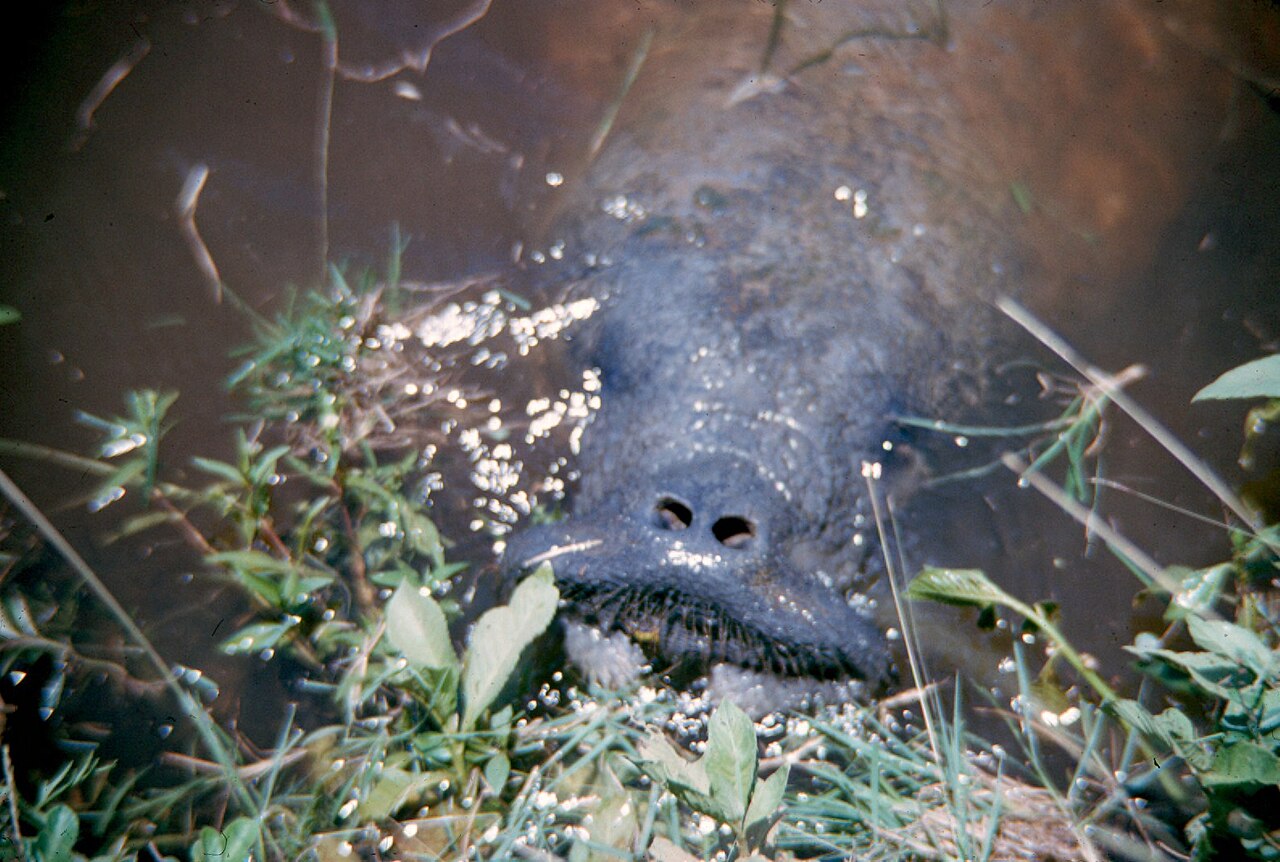
If you have ever watched a manatee drifting through a Florida spring or a Caribbean lagoon, you may have noticed a fuzzy green or brownish layer coating its broad, paddle-shaped back — and wondered why manatees algae backs are so often covered in what looks like underwater moss. That green film is not fur, dirt, or a sign of illness. It is a living community of algae and other tiny organisms that has hitched a ride on one of the slowest, calmest marine mammals on Earth. Understanding why this happens opens a window into manatee biology, their daily habits, and even the health of the waters they call home.
The Basics: What Exactly Is Growing on a Manatee's Back?
The growth on a manatee's back is a mix of algae — mostly green algae, but sometimes also diatoms, cyanobacteria, and small colonial organisms. In fresh water, species like Cladophora and various filamentous green algae are common. In saltier coastal waters, you may find different marine algae and even tiny barnacles or other encrusting invertebrates clinging to the skin.
Manatees are large, grayish-brown marine mammals, typically weighing between 800 and 1,200 pounds (360 to 540 kilograms) and measuring around 9 to 13 feet (2.7 to 4 meters) long. Florida manatees (Trichechus manatus latirostris) are a subspecies of the West Indian manatee, and their skin is thick, leathery, and sparsely covered with short, stiff hairs called bristles. That skin is not smooth like a dolphin's; it has a slightly rough, rubbery texture that gives algae plenty of places to anchor.
It Is Not Fur or Mold
People sometimes mistake the green coating for moss or a skin disease. In reality, it is a harmless biofilm that builds up over time, much like the algae that grows on submerged rocks, dock pilings, or the hull of a boat that sits still for long periods. Because manatees are not fastidious groomers, the algae simply stays put.
Why Do Manatees Algae Backs Happen? The Slow-Living Explanation
The single biggest reason algae grows so readily on manatees is their extremely slow lifestyle. Manatees are the original gentle giants of the water. They typically cruise at about 3 to 5 miles per hour (5 to 8 kilometers per hour) and only burst into a faster swim — up to around 15 miles per hour (24 kilometers per hour) — in short emergencies.
For algae, this is a dream host. Fast-swimming animals like dolphins constantly shed water and create turbulence that rips algae away from their skin. Manatees, by contrast, move so slowly that algae spores can settle, attach, and grow without being disturbed. A manatee is essentially a slow-moving, floating surface — exactly what algae need.
Warm Water Is a Fertilizer
Manatees live in warm waters, generally above 68°F (20°C), because their low metabolic rate and thin layer of body fat make them vulnerable to cold. Florida's springs stay at a constant 72°F (22°C) year-round, and the state's coastal waters are warm for much of the year. Algae also thrive in warm water, so the manatee's preferred habitat doubles as ideal growing conditions for its tiny passengers.
Sunlight and Shallow Water
Manatees spend much of their time in shallow coastal waters, rivers, estuaries, and springs where sunlight penetrates to the bottom. Sunlight is the fuel for photosynthesis, and a manatee that floats near the surface or rests in sunlit shallows gives algae direct access to the light they need. When a manatee surfaces to breathe — every three to five minutes during activity, though resting manatees can hold their breath for up to about 20 minutes — its back often breaks the surface, exposing the algae to even more light.
The Manatee's Skin: A Perfect Algae Anchor
Manatee skin is not designed to repel algae. It is thick, tough, and covered in tiny bumps and creases. Each of those microscopic irregularities acts like a foothold for algae cells and spores. The skin also sloughs off continuously in small flakes, but on a slow-moving animal, that shedding is gradual rather than a dramatic renewal.
On top of that, manatees have sparse hairs scattered across their bodies. These bristles, which are sensitive tactile organs, create additional surface area where algae can wrap and cling. The result is a textured, living surface that algae colonize easily.
Why Some Manatees Look Greener Than Others
- Age: Older manatees often carry more algae simply because they have had more time to accumulate it.
- Behavior: Manatees that rest a lot in one area, especially in warm springs, tend to grow more algae than those that travel widely.
- Water quality: Nutrient-rich water — often the result of fertilizer runoff or wastewater — fuels algal blooms, and manatees in those waters can end up noticeably greener.
- Habitat: Manatees in freshwater springs frequently look more coated than those in open saltwater, where currents and different algae species play a role.
- Individual variation: Some manatees simply seem to attract more growth, just as some people's gardens flourish more than others.
Is the Algae Harmful to Manatees?
In most cases, no. The algae on a manatee's back is a harmless epibiont — an organism that lives on another organism without harming it. Think of it as a passenger, not a parasite. The algae gains a mobile home and access to light, while the manatee is largely unaffected.
There are, however, some situations worth watching. If water quality is poor and harmful algal blooms (HABs) occur, the algae and toxins involved can pose real risks. Red tide, caused by the dinoflagellate Karenia brevis, has been linked to manatee deaths in Florida, though the danger comes from breathing in or eating contaminated material rather than from algae growing on the skin. Heavy external growth can also, in rare cases, obscure wounds or skin conditions that researchers would want to monitor.
Algae as a Health Indicator
Biologists sometimes use the amount and type of algae on a manatee as a rough clue about where it has been spending time. A manatee coated in freshwater algae has likely been lounging in a spring or river, while one with marine organisms has been in coastal waters. This kind of information helps researchers understand manatee movement patterns and habitat use, which is valuable for conservation.
Grooming, Scratching, and the Limits of Algae Growth
Manatees do not groom themselves the way cats or primates do, but they are not entirely passive hosts. They rub against submerged logs, rocks, sandy bottoms, and even each other. These rubbing behaviors can scrape off some algae and loose skin. Manatees also roll, twist, and wallow in the shallows, which can dislodge growth.
Still, these efforts are modest. A manatee cannot reach most of its own back with its flippers, and it has no way to nibble algae off its own hide. So the coating persists, sometimes thick enough that a manatee looks like a mossy boulder drifting through the water. This camouflage may even be beneficial: a green-backed manatee resting near the bottom or among aquatic plants is harder for predators — mainly humans and, rarely, large sharks or alligators — to spot.
Symbiosis or Just Coexistence?
Scientists generally describe the manatee-algae relationship as commensalism, a type of symbiosis in which one organism benefits and the other is neither helped nor harmed. The algae clearly benefits. The manatee appears indifferent. In nutrient-poor waters, the algae may even provide a tiny bit of camouflage, though this is not a primary survival strategy.
Some small fish and invertebrates also graze on the algae growing on manatees, turning the manatee's back into a miniature ecosystem. It is not unusual to see tiny fish hovering around a resting manatee, picking at the green film. In that sense, a manatee's back is a moving reef of sorts — a slow, warm, sunlit habitat for whatever can hold on.
Manatees Algae Backs and the Bigger Picture: Diet, Habitat, and Lifespan
To understand why manatees host algae, it helps to understand how they live. Manatees are herbivores, eating 10 to 15 percent of their body weight each day — roughly 100 to 150 pounds (45 to 68 kilograms) of aquatic plants for a large adult. Their diet includes seagrasses, water hyacinth, hydrilla, and other submerged, floating, and emergent vegetation.
They spend six to eight hours a day feeding and much of the rest resting or traveling slowly. This leisurely schedule means they are often stationary in warm, sunlit water — perfect conditions for algae. Manatees can live 50 to 60 years in the wild, and some individuals in captivity have lived even longer. Over a long life in warm waters, a manatee has ample time to accumulate a green coat.
Where Manatees Live
Florida manatees are found in Florida's rivers, springs, estuaries, and coastal waters, and they occasionally wander as far north as Massachusetts and as far west as Texas. The Antillean subspecies lives in the Caribbean, including Puerto Rico, Cuba, and Hispaniola. A separate species, the Amazonian manatee (Trichechus inunguis), lives in the Amazon River basin, and the West African manatee (Trichechus senegalensis) inhabits rivers and coastal waters of western Africa. All of them are slow, warm-water animals, and all of them can carry algae.
Conservation Status
Manatees face real threats: boat strikes, habitat loss, cold stress, red tide, and starvation when seagrass beds collapse. In 2017, the U.S. Fish and Wildlife Service downlisted the West Indian manatee from endangered to threatened, but the species remains protected under the Marine Mammal Protection Act and the Endangered Species Act. A severe Unusual Mortality Event along Florida's east coast in 2021 and 2022, driven largely by seagrass loss in the Indian River Lagoon, killed more than 1,000 manatees and highlighted how fragile their situation remains.
Interestingly, the algae on manatees can serve as a small reminder of water quality. When waters are clean and balanced, the growth is modest. When waters are polluted with excess nutrients, algae — both on manatees and in the environment — can explode. In that way, a green-backed manatee is sometimes a living indicator of the health of its home.
Common Questions About Manatees Algae Backs
Do manatees get itchy from the algae?
There is no evidence that algae causes manatees discomfort. Their skin is thick and relatively insensitive compared with human skin, and the algae does not burrow in or feed on living tissue. Rubbing behavior is more about shedding dead skin and satisfying general tactile needs than about scratching an itch.
Do all manatees have algae?
Most wild manatees carry at least some algae, but the amount varies widely. A manatee in a fast-moving, cooler river may have very little, while one that spends weeks in a warm, nutrient-rich spring can look almost completely green. Manatees in captivity are often algae-free because they live in filtered, managed water and receive regular veterinary care.
Can the algae hurt humans?
No. The algae on a manatee is not dangerous to people. However, manatees are protected animals, and it is illegal to touch, ride, feed, or harass them. Keeping a respectful distance is best for both the animal and the observer.
Does the algae fall off?
Yes, gradually. As manatees rub against surfaces, roll, and travel between fresh and salt water, some algae sloughs off. Changes in salinity can also cause certain algae species to die back. But new growth replaces it, so the green coat is often a permanent feature of a wild manatee's appearance.
A Green Coat With a Deeper Meaning
Manatees algae backs are a natural consequence of slow movement, warm water, abundant sunlight, and textured skin — a combination that turns these gentle mammals into floating gardens. The algae is not a sign of sickness or neglect; it is a sign that a manatee is living the way manatees do, drifting through sunlit shallows and resting in the warm springs they depend on for survival.
That green film also tells a story about the environment. Clean, healthy waters support balanced algal growth. Polluted waters can tip that balance, fueling blooms that harm manatees and the seagrass meadows they eat. Protecting manatees means protecting the water they swim in — and when you next see a manatee with a mossy green back, you will know you are looking at one of the most peaceful, slow-moving partnerships in the animal kingdom.
❓ Frequently Asked Questions
💬 Why do algae grow on manatees' backs?
Manatees are slow-moving marine mammals that spend much of their time near the surface or resting in warm, sunlit, nutrient-rich water, which lets algae attach to their thick, rough skin. The algae simply settle on their backs because the conditions are ideal and the manatees don't move fast enough to shed it constantly.
💬 Is the algae on a manatee's back harmful to it?
No, the algae is generally harmless and is considered a normal part of a manatee's appearance. It doesn't hurt the animal or feed on it, and the manatee just carries it around like a passenger.
💬 Does the algae on a manatee's back do anything useful?
It may provide slight camouflage against the murky water and vegetation, and some scientists think it could offer minor protection from sun exposure or even act as a food source if nibbled. Overall, the relationship seems neutral to mildly beneficial for the manatee.
💬 Do all manatees have algae growing on their backs?
Many do, especially those living in warm, calm, nutrient-rich waters like Florida's springs and coastal areas, but it's not universal. Manatees in cooler, faster-moving, or cleaner water may have little to no algae, and individuals shed it over time as their skin flakes.