- The Genetic Basis for Munchkin Cat Short Legs
- How the Mutation Affects Bone Development
- Natural Occurrence and History of the Munchkin Cat
- Munchkin Cats in Popular Culture
- Physical Characteristics and Behavior of Munchkin Cats
- Activity Levels and Play Needs
- Health Considerations for Munchkin Cats
- Ethical Breeding Practices
- Diet and Nutrition for Munchkin Cats
- Caring for a Munchkin Cat: Environment and Lifestyle
- Grooming Needs
- Conclusion: The Unique Appeal of Munchkin Cat Short Legs
- ❓ Frequently Asked Questions
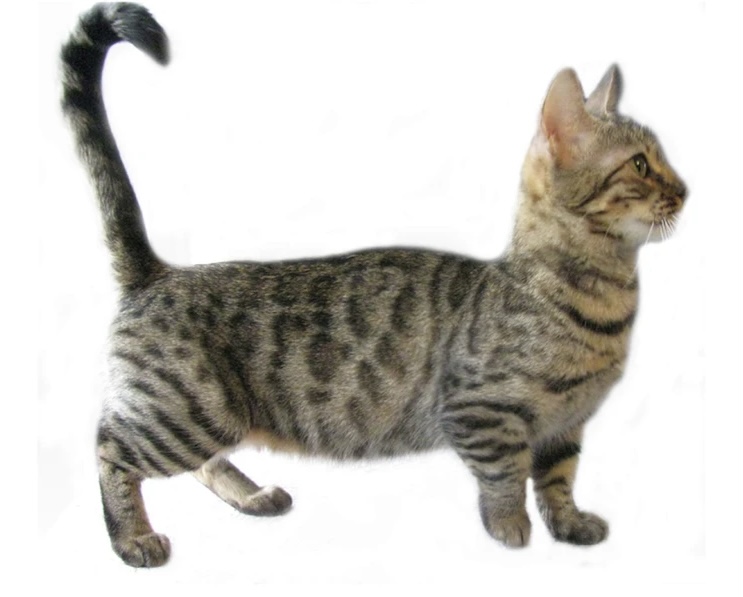
Munchkin cat short legs are the result of a naturally occurring genetic mutation that affects bone growth, giving these felines their distinctive, adorable appearance. This unique trait has sparked both fascination and controversy in the cat world, making the Munchkin one of the most recognizable and debated cat breeds today. In this article, we will explore the science, history, health implications, and care requirements behind these charmingly low-slung cats.
The Genetic Basis for Munchkin Cat Short Legs
The defining characteristic of the Munchkin breed is its short legs, caused by a dominant genetic mutation known as achondroplasia. This condition is similar to the dwarfism seen in some dog breeds like the Dachshund and Corgi, but in cats, it is unique to the Munchkin. The mutation affects the development of long bones, particularly in the legs, resulting in shortened limbs while the rest of the body remains proportionally normal.
Specifically, the gene responsible is an autosomal dominant trait, meaning that only one copy of the mutated gene is needed for a cat to have short legs. If a kitten inherits the gene from one parent, it will exhibit the trait. However, if a kitten inherits two copies of the gene (one from each parent), it is nonviable and the embryo does not survive. This makes breeding Munchkins a careful process, as breeders must avoid mating two short-legged cats together to prevent lethal outcomes.
Interestingly, not all Munchkins have the same leg length. The breed standard recognizes three leg lengths: standard (shortest), super-short, and rug-hugger (extremely short). However, only the standard and super-short are typically accepted in show rings. The genetic variability ensures that some kittens may have longer legs than others, and these "non-standard" Munchkins are often used in breeding programs to maintain genetic diversity.
How the Mutation Affects Bone Development
The achondroplasia mutation in Munchkins impacts the growth plates of the long bones, such as the femur and tibia. Normally, growth plates allow bones to lengthen as a kitten grows. In Munchkins, these plates fuse prematurely or grow at a slower rate, leading to shorter, thicker bones. This is why the legs appear stubby but the paws and body size remain typical for a domestic cat. The spine is not affected, so Munchkins have a normal-length back and neck, unlike some dwarf dog breeds.
Natural Occurrence and History of the Munchkin Cat
While the Munchkin cat short legs are now a breed standard, the mutation occurred naturally in the wild long before it was deliberately bred. The first documented Munchkin cat was found in 1944 in the United Kingdom, but the line died out during World War II. In 1983, a pregnant stray cat named Blackberry was rescued in Louisiana, USA. She gave birth to kittens with short legs, and one of her offspring, a tomcat named Toulouse, became the foundation of the modern breed.
Breeders began selectively breeding Munchkins in the 1990s, but the breed was not officially recognized by major cat registries until much later. The International Cat Association (TICA) granted Munchkins full championship status in 2003, while the Cat Fanciers' Association (CFA) still does not recognize the breed due to ethical concerns about the health implications of the mutation. Despite this, Munchkins have gained a loyal following for their playful, outgoing personalities and unique appearance.
Today, Munchkins are found worldwide, with breeders in North America, Europe, and Asia. They come in all coat colors and patterns, including solid, tabby, calico, bicolor, and colorpoint. The breed's history is a testament to how a spontaneous genetic anomaly can become a sought-after trait through careful human selection.
Munchkin Cats in Popular Culture
Munchkins have become social media stars due to their cute, low-to-the-ground appearance. Famous Munchkins include Lil Bub, who had a combination of dwarfism and other genetic conditions, and many Instagram-famous cats with millions of followers. Their short legs make them look perpetually kitten-like, which adds to their appeal.
Physical Characteristics and Behavior of Munchkin Cats
Beyond their short legs, Munchkins are medium-sized cats with a muscular, well-rounded body. Adult Munchkins typically weigh between 5 to 9 pounds (2.3 to 4.1 kg), with males slightly larger than females. Their lifespan is comparable to other domestic cats, averaging 12 to 15 years, though some live into their late teens with proper care.
Behaviorally, Munchkins are known for being friendly, playful, and curious. They are often described as "magpies" because they collect small objects and hide them. Despite their short legs, they are surprisingly agile and can run, jump, and climb, though they cannot leap as high as standard cats. They often use a unique "bunny hop" gait when running, which is endearing to owners.
Munchkins are social cats that get along well with children, other cats, and even cat-friendly dogs. They are not typically vocal but will communicate with soft meows and purrs. Their intelligence makes them trainable for tricks and leash walking.
Activity Levels and Play Needs
Munchkins are moderately active. They enjoy interactive toys like feather wands, laser pointers, and puzzle feeders. Because they have shorter legs, owners should provide low-height cat trees and ramps to prevent strain. They also appreciate cozy hiding spots and boxes to explore.
Health Considerations for Munchkin Cats
The health of Munchkin cats is a subject of ongoing debate. While many Munchkins live healthy lives, the same gene that causes short legs can also lead to potential issues. The most common concern is lordosis, a condition where the spine curves downward, putting pressure on the heart and lungs. This can be mild or severe and may require veterinary intervention.
Another condition associated with Munchkins is pectus excavatum, a concave chest deformity that can affect breathing. However, responsible breeders screen for these issues and avoid breeding cats with severe deformities. Regular veterinary check-ups are essential to monitor for these conditions.
Munchkins are also prone to osteoarthritis due to the abnormal bone structure in their legs. This can cause joint pain and stiffness, especially in older cats. Owners can help by maintaining a healthy weight, providing joint supplements like glucosamine, and using soft bedding. Unlike some dwarf dog breeds, Munchkins are not prone to intervertebral disc disease because their spines are normal length.
Ethical Breeding Practices
Reputable breeders prioritize health over appearance. They only breed Munchkins with one short-legged parent to avoid lethal gene combinations. They also test for genetic diseases and provide health guarantees. Potential owners should avoid breeders who advertise "extreme" short legs or who do not provide health records.
Diet and Nutrition for Munchkin Cats
A balanced diet is crucial for Munchkin cats to maintain a healthy weight and reduce stress on their joints. Their diet should consist of high-quality protein from meat, poultry, or fish, as cats are obligate carnivores. Commercial wet and dry foods formulated for adult cats are suitable, but owners should avoid fillers like corn and soy.
Portion control is important because Munchkins are prone to obesity, which exacerbates joint problems. Adult Munchkins typically need 200 to 250 calories per day, divided into two or three meals. Treats should be limited to 10% of daily intake. Fresh water must always be available, and some cats prefer running water from a fountain.
For senior Munchkins (over 10 years), a diet formulated for older cats with added glucosamine and omega-3 fatty acids can support joint health. Always consult a veterinarian before making dietary changes.
Caring for a Munchkin Cat: Environment and Lifestyle
Creating a safe and comfortable environment for a Munchkin cat involves accommodating their unique anatomy. Because they cannot jump high, they should not have access to high shelves or tall furniture without assistance. Provide step stools, ramps, or low cat trees (under 3 feet tall) to allow them to reach favorite spots.
Litter boxes should have low sides for easy entry. A top-entry box may be difficult, so a standard open box or one with a cut-out entrance is best. Place litter boxes in quiet, accessible locations. Similarly, food and water bowls should be shallow and placed on the floor or a low stand to prevent neck strain.
Munchkins are indoor cats for their safety, as their short legs make them vulnerable to predators and traffic. Provide plenty of enrichment, including window perches, interactive toys, and scratching posts. They enjoy climbing but need safe routes. A catio (enclosed outdoor patio) can offer fresh air without risks.
Grooming Needs
Grooming depends on coat length. Short-haired Munchkins need weekly brushing to reduce shedding, while long-haired varieties require daily brushing to prevent mats. Regular nail trims, ear cleaning, and dental care are also important. Use a cat-safe toothbrush and toothpaste.
Conclusion: The Unique Appeal of Munchkin Cat Short Legs
Munchkin cat short legs are a fascinating example of how a single genetic mutation can create a beloved breed. From their accidental discovery in the wild to their status as a modern companion animal, Munchkins have proven that short legs do not hinder a cat's ability to live a full, happy life. Their playful personalities, adaptability, and distinctive appearance make them wonderful pets for families and individuals alike. However, potential owners must be aware of the health considerations and commit to providing the specialized care these cats need. With proper attention to diet, environment, and veterinary care, a Munchkin cat can be a joyful, long-lived companion. Whether you are drawn to their cute looks or their charming antics, Munchkins remind us that beauty and function come in all shapes and sizes—even short ones.
❓ Frequently Asked Questions
💬 What causes Munchkin cats to have short legs?
Munchkin cats have short legs due to a natural genetic mutation that affects bone growth, specifically a condition called achondroplasia, which results in shortened limbs while the rest of the body remains normal.
💬 Are Munchkin cats' short legs painful or unhealthy?
While Munchkin cats can live healthy lives, the short legs can sometimes lead to spinal issues like lordosis or joint problems such as osteoarthritis, so regular veterinary checkups are important to monitor their health.
💬 Do all Munchkin cats have short legs?
No, not all Munchkin cats have short legs; kittens inherit the short-leg gene from one parent, but if they inherit two copies, the condition is lethal, so breeders often pair a short-legged Munchkin with a normal-legged cat to produce healthy litters.
💬 Can Munchkin cats run and jump normally despite their short legs?
Munchkin cats can run and jump, but they may not jump as high as other cats due to their shorter limbs, and they often compensate by using their bodies in a more squirrel-like manner when moving quickly.