- The Short Answer: Why Scottish Fold Ears Fold
- It Is a Cartilage Condition, Not Just a Cosmetic Trait
- A Brief History of Scottish Fold Ears
- What Happened to Susie's Line
- How Scottish Fold Ears Are Inherited
- What a Litter Actually Looks Like
- What Scottish Fold Ears Mean for the Cat's Health
- Ear-Specific Issues
- What Responsible Breeders Do
- Living With a Scottish Fold: Temperament, Size, and Care
- Diet and Feeding
- Exercise and Enrichment
- Grooming
- Common Myths About Scottish Fold Ears
- Should You Get a Scottish Fold?
- The Truth About Scottish Fold Ears
- ❓ Frequently Asked Questions
Scottish Fold ears are one of the most recognizable features in the cat world — those neat, forward-folded flaps that make the breed look permanently curious, owl-like, or faintly worried. But the story behind those ears is far more interesting than most people realize, and it involves a naturally occurring genetic mutation, a cartilage quirk, and some genuine controversy about animal welfare. If you have ever wondered why Scottish Folds have folded ears, whether the fold affects their health, or whether all kittens in a litter are born folded, this article breaks down the science, the history, and the practical realities of living with one of these cats.
The Short Answer: Why Scottish Fold Ears Fold
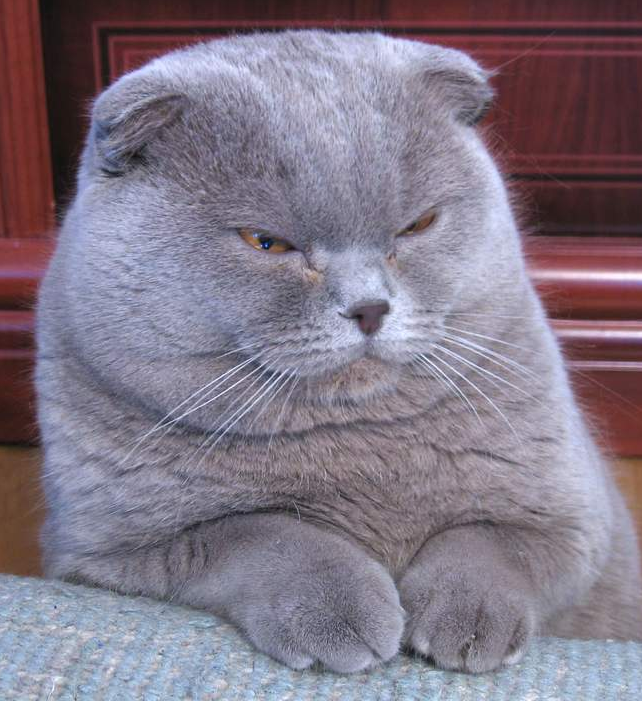
The fold in a Scottish Fold's ears comes down to a single, naturally occurring genetic mutation that affects the cartilage throughout the cat's body — not just the ears. This mutation is incomplete dominant, meaning a kitten needs only one copy of the gene from one parent to develop folded ears. The gene alters the structure and strength of cartilage, the flexible connective tissue that gives ears their shape and supports joints.
In a normal cat, the ear cartilage is firm enough to hold the ear upright. In a Scottish Fold, the cartilage is softer and less rigid, so the ear tip flops forward and down, usually folding toward the front of the head. The fold typically becomes visible at around three to four weeks of age, when the kitten's ear cartilage begins to firm up and the ear either stands or folds. Before that point, all kittens — folded or not — have small, floppy ears.
It Is a Cartilage Condition, Not Just a Cosmetic Trait
This is the crucial point that many casual cat lovers miss: the same genetic change that folds the ears also affects cartilage elsewhere in the body. Cartilage is found in the ears, the nose, the trachea (windpipe), and at the ends of bones in every joint. That is why the mutation is sometimes described as a form of osteochondrodysplasia — a broad term for abnormal cartilage and bone development. In mild cases, the visible effect is limited to the ears. In more severe cases, the changes can affect joints and mobility, which is the root of the welfare debate covered later in this article.
A Brief History of Scottish Fold Ears
Every Scottish Fold alive today traces back to a single cat. In 1961, a white barn cat named Susie was found on a farm near Coupar Angus in Perthshire, Scotland. She had an unusual trait: her ears were folded flat against her head. A local farmer, William Ross, and his wife Mary noticed her, and when Susie produced a litter, one of her kittens — a white female named Snooks — inherited the folded ears.
The Rosses acquired Snooks and began breeding her, and the unusual ear trait was passed on to subsequent generations. The breed was initially registered in the United Kingdom in the 1960s, but concerns about the cartilage mutation's effects on health led to the breed being banned by the Governing Council of the Cat Fancy (GCCF) in 1971. The breed's fortunes shifted to North America, where breeders continued developing it, and it was eventually recognized by major registries such as The International Cat Association (TICA) and the Cat Fanciers' Association (CFA). Today the Scottish Fold is a well-known breed worldwide, though it remains restricted or banned in several countries and by some registries for welfare reasons.
What Happened to Susie's Line
Because the gene pool started so small, early breeders faced a narrow genetic base, and responsible breeders have since worked to broaden lines and, crucially, to avoid breeding two folded cats together. That practice — fold-to-fold breeding — is widely discouraged because it doubles the odds of severe cartilage and joint problems in kittens. Modern ethical breeding pairs a folded cat with a straight-eared cat, usually a Scottish Straight, British Shorthair, or American Shorthair.
How Scottish Fold Ears Are Inherited
The inheritance pattern is what breeders call incomplete dominant. A cat with one copy of the mutation (heterozygous) typically shows the folded ear. A cat with two copies (homozygous) is at much higher risk of severe skeletal problems — and in some cases, the double-dose combination produces kittens with such significant cartilage deformity that they are sometimes described as having "double-fold" complications.
This is why two folded cats should never be bred together. When a folded cat is bred to a straight-eared cat, roughly half the kittens inherit the fold and half do not. The straight-eared kittens are still part of the breed — they are called Scottish Straights — and they carry none of the folded-ear appearance but share the same breed lineage.
What a Litter Actually Looks Like
- Fold × Straight pairing: About 50% folded kittens, 50% straight-eared kittens.
- Fold × Fold pairing: Avoided by responsible breeders; higher risk of severe cartilage and joint disease.
- Timing of the fold: Ears begin to fold (or stand) at roughly 3–4 weeks; the final shape is usually clear by 10–12 weeks.
- Fold types: "Single fold," "double fold," and "triple fold" describe how tightly the ear bends — tighter folds are not inherently healthier or unhealthier, but very tight folds can make ear cleaning harder.
What Scottish Fold Ears Mean for the Cat's Health
This is the part of the story that deserves honest attention. The folded ear is a visible marker of a cartilage mutation, and in some cats that mutation goes beyond the ears. The most serious concern is osteochondrodysplasia, a condition in which cartilage and bone development is abnormal, leading to thickened, painful joints, stiffness, and reduced mobility. It can affect the tail, ankles, knees, and paws.
Not every Scottish Fold develops severe joint disease, and severity varies widely. However, studies and veterinary case reports have documented the condition in the breed, particularly in cats bred fold-to-fold. Signs can include a stiff, short gait, reluctance to jump, thickened tail or leg joints, and sensitivity when handled. Because cats are masters at hiding discomfort, owners may not notice until the disease is advanced.
Ear-Specific Issues
Beyond joints, the folded ear itself creates some practical care challenges. Because the ear canal is partly covered by the folded flap, airflow is reduced and wax and debris can accumulate more easily. That raises the risk of ear infections and makes routine cleaning more important. Owners should check ears weekly and clean gently with a vet-approved ear cleaner, never pushing anything deep into the canal.
What Responsible Breeders Do
Ethical Scottish Fold breeders screen breeding cats for joint problems, avoid fold-to-fold matings, and are transparent about the breed's risks. Some registries and countries have gone further. The Netherlands and Scotland (as part of the UK's broader GCCF stance) have restricted or banned breeding of folded cats, and veterinary bodies such as the British Veterinary Association have recommended against breeding them. If you are considering a Scottish Fold, ask breeders directly about health testing, the parents' joint status, and how they handle the fold-to-straight pairing rule.
Living With a Scottish Fold: Temperament, Size, and Care
Health caveats aside, Scottish Folds are genuinely delightful companions, and their popularity is not an accident. They are typically medium-sized cats, with males weighing roughly 9–13 pounds (4–6 kg) and females around 6–9 pounds (2.7–4 kg). Their lifespan is generally 11–14 years, though some live longer with good care.
Temperament is one of the breed's strongest selling points. Scottish Folds are famously sweet-natured, adaptable, and affectionate without being clingy. They tend to bond closely with their people and are known for a distinctive habit: sitting in a relaxed "Buddha" pose with their front paws tucked or stretched out. Many are relatively quiet, get along well with children and other pets, and adapt nicely to apartment living.
Diet and Feeding
Like all cats, Scottish Folds are obligate carnivores and need a meat-based diet. A quality commercial cat food — wet, dry, or a mix — that meets AAFCO or equivalent nutritional standards is appropriate. Portion control matters, because the breed can be prone to weight gain, and extra weight puts more stress on already vulnerable joints. Fresh water should always be available, and treats should stay under about 10% of daily calories.
Exercise and Enrichment
Scottish Folds are not hyperactive, but they still need daily play and mental stimulation. Short interactive sessions with wand toys, puzzle feeders, and climbing opportunities keep them fit and happy. Because joint health is a concern, low-impact play and soft landing spots (cat trees with sturdy platforms, ramps rather than high jumps) are smart choices.
Grooming
The breed comes in both shorthair and longhair varieties. Shorthairs need weekly brushing; longhairs need more frequent grooming, often several times a week, to prevent mats. Nails should be trimmed every couple of weeks, and teeth brushed regularly. And, as noted, ears need routine checking because of the fold.
Common Myths About Scottish Fold Ears
Misinformation about this breed is common, so it is worth clearing up a few persistent myths.
- Myth: All Scottish Fold kittens are born with folded ears. False. Kittens are born with small, floppy ears, and the fold only becomes apparent at around three to four weeks. Some kittens in a litter never fold at all.
- Myth: The folded ears are purely cosmetic and harmless. Misleading. The fold is a visible sign of a cartilage mutation that can, in some cats, affect joints and mobility.
- Myth: Folds should be bred together to get more folded kittens. False and harmful. Fold-to-fold breeding increases the risk of severe skeletal disease.
- Myth: Scottish Folds are lazy because they sit oddly. Not true. The "Buddha pose" is a comfort habit, not a sign of lethargy.
- Myth: Any cat with folded ears is a Scottish Fold. Not necessarily. The trait is specific to this breed lineage, but mixes and lookalikes exist, and only pedigree records confirm breed status.
Should You Get a Scottish Fold?
Whether a Scottish Fold is the right cat for you depends on your willingness to accept the breed's health realities. On the plus side, they are affectionate, adaptable, relatively low-energy companions that fit well into many households. On the caution side, the folded ears signal a genetic condition that can affect cartilage and joints, and responsible ownership means budgeting for veterinary care, watching for signs of stiffness or discomfort, and keeping weight under control.
If you decide to bring one home, choose a breeder who is transparent about health testing, avoids fold-to-fold matings, and can show you the parents' health records. Consider adoption or rescue as well — Scottish Folds and Fold mixes do end up in rescue systems. And if you are in a region where breeding folded cats is restricted, respect those rules; they exist for the cats' benefit.
The Truth About Scottish Fold Ears
The truth is that Scottish Fold ears are beautiful, distinctive, and the result of a real genetic mutation that affects cartilage throughout the body. That single fact explains both the breed's charm and its controversies. The fold is not a cosmetic trick or a breed standard invented by humans — it arose naturally in a Scottish barn cat named Susie in 1961 — but the gene behind it carries genuine health implications that owners and breeders must take seriously.
Understanding the science lets you appreciate these cats honestly: as sweet, sociable companions with a unique look and a real responsibility attached. If you love the breed, love it with open eyes — keep those folded ears clean, keep that weight in check, watch for joint stiffness, and support breeders who put the cat's health before the look. That is the full truth about Scottish Fold ears, and it is far more interesting than the surface story.
❓ Frequently Asked Questions
💬 Why do Scottish Fold cats have folded ears?
A naturally occurring genetic mutation causes the cartilage in their ears to be weak and unable to stand upright, so the ears fold forward. This same cartilage defect affects cartilage throughout the body, not just the ears.
💬 Are Scottish Fold ears folded from birth?
No, kittens are born with straight ears and the fold typically appears at around three to four weeks of age. Some kittens' ears stay straight, and these cats are called Scottish Straights.
💬 Is the Scottish Fold ear gene harmful to the cat?
Yes, the same mutation that folds the ears can cause osteochondrodysplasia, a painful cartilage and bone disorder that may lead to arthritis and stiff joints. Because of this, some countries and cat registries restrict or ban breeding Scottish Folds.
💬 Do all Scottish Fold kittens in a litter have folded ears?
No. A kitten needs at least one copy of the fold gene to have folded ears, and litters often include both folded and straight-eared kittens. Breeding two folded cats together is avoided because it greatly increases the risk of severe cartilage disease.