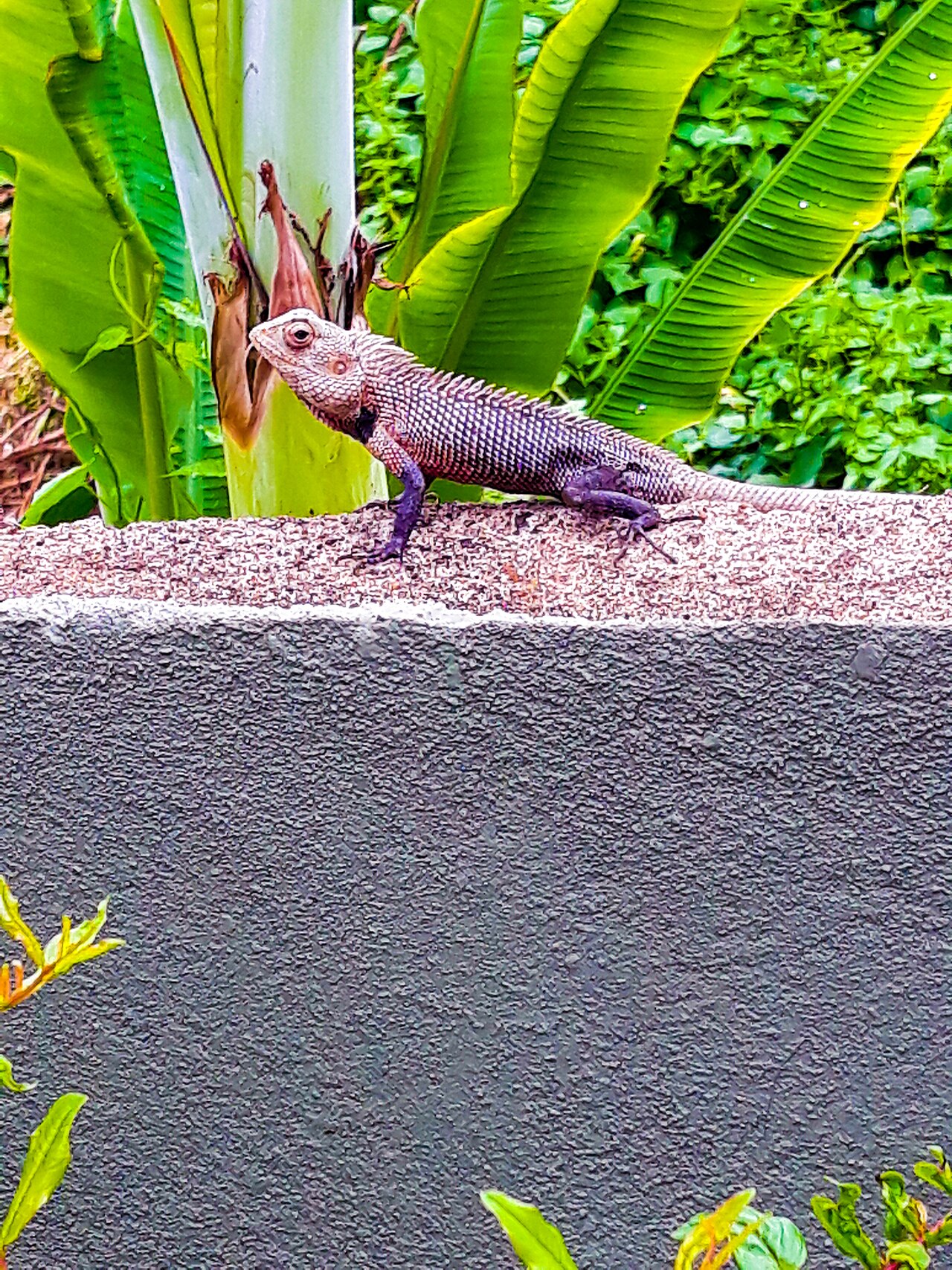
- The Real Truth Behind Why Chameleons Change Color
- The Role of Mood and Social Status
- Temperature Regulation: A Hidden Reason Chameleons Change Color
- Camouflage: The Overrated Skill
- Structural Color and Nanocrystals: The Physics of Shifting Hues
- Species Differences in Color Range and Speed
- Behavioral Context: What Your Chameleon’s Color Really Means
- Lifespan and Environment: How Age Affects Color
- Conclusion: Respecting the Chameleon’s True Nature
- ❓ Frequently Asked Questions
When people first learn that chameleons change color, they almost always assume it is purely for camouflage, but the real truth is far more complex, fascinating, and rooted in communication, temperature regulation, and mood—not just blending in with a leaf. For decades, the myth of the chameleon as a master of invisibility has persisted, yet modern herpetologists have revealed that these reptiles are actually using their skin as a living billboard of emotion and physiology. By understanding the genuine mechanics behind why chameleons change color, you’ll never look at these quirky lizards the same way again—and you’ll appreciate why they are one of the most misunderstood animals on the planet.
The Real Truth Behind Why Chameleons Change Color
The most common misconception is that chameleons shift their hue to match any background, like a reptilian chameleon in a magic trick. In reality, while some color change can help with camouflage, the primary drivers are social signaling and thermoregulation. A chameleon’s skin is packed with specialized cells called chromatophores, which sit at different depths and contain pigments or nanocrystals. When the lizard is calm, these cells reflect a baseline green or brown; when it is excited, angry, or trying to attract a mate, the brain sends nerve signals that expand or contract these cells, revealing vibrant reds, yellows, blues, and even patterns that would be impossible to replicate on a random tree trunk.
To put this in perspective, consider the panther chameleon (Furcifer pardalis) of Madagascar. A male basking in the sun may display bright turquoise and crimson stripes to warn off rival males, but if you placed him on a brown branch, he would not suddenly turn brown—he would stay bright because his primary goal is intimidation, not invisibility. Scientists have observed that camouflage is actually a secondary, slower response, while emotional color shifts happen in milliseconds. This distinction is crucial because it changes how we interpret the animal’s behavior in the wild and in captivity.
The mechanism itself is a marvel of biology. Beneath the outer skin layer, chameleons possess iridophores—cells containing nanocrystals of guanine. When these crystals are spaced far apart, they reflect long wavelengths like red and orange; when they are packed tightly, they reflect short wavelengths like blue. By adjusting the distance between crystals, the chameleon can produce a stunning array of colors without moving a single muscle fiber. Meanwhile, deeper melanin-containing cells can darken the skin for heat absorption or lighten it for heat reflection, giving the lizard a dual-layered system for both communication and survival.
The Role of Mood and Social Status
If you’ve ever watched two male chameleons meet, you’ve witnessed the most dramatic reason for color change: aggression. A dominant male will often flare his body, curl his tail, and display the brightest, most contrasting colors he can muster—typically yellows, oranges, and electric blues—to signal his fitness and warn the intruder to back off. Subordinate males, on the other hand, will rapidly darken to dull browns and grays, sometimes even flattening their bodies to appear smaller. This is not camouflage; it is a clear, honest signal of submission that prevents physical combat, which can be costly in terms of energy and injury.
Females also use color to communicate, especially during the breeding season. A receptive female may display bright yellow or peach spots to indicate she is ready to mate, while a gravid (pregnant) female will switch to dark, bold patterns with black and orange bands to signal that she is not interested and will aggressively reject any approaching male. In species like the veiled chameleon (Chamaeleo calyptratus), these color cues are so reliable that keepers can predict egg-laying behavior days in advance simply by observing the female’s skin pattern.
Temperature Regulation: A Hidden Reason Chameleons Change Color
Beyond emotions, chameleons are ectothermic, meaning they rely on external heat to regulate their body temperature, and their skin acts as a dynamic solar panel. When a chameleon is cold, it darkens its skin to absorb more infrared radiation from the sun; darker colors trap heat more efficiently. Conversely, when the lizard is overheated, it lightens its skin to reflect sunlight, sometimes appearing almost white or pale gray to bounce excess heat away. This thermoregulatory color change is often slower and more subtle than emotional shifts, but it is no less important for survival.
Consider a Jackson’s chameleon (Trioceros jacksonii) living in the cool, misty highlands of Kenya. In the early morning, it will appear almost black, basking in a sunbeam to raise its core temperature from around 60°F to its preferred 80°F. As the day warms, the lizard gradually lightens to a bright green, which not only reduces heat gain but also helps it blend into the surrounding foliage during midday hunting. If the temperature climbs too high, the chameleon will shift to a pale, almost white tone and may gape its mouth to evaporate moisture, a behavior that underscores how critical color is to its thermal balance.
This dual function means that a chameleon’s color is rarely a single “message.” A bright green chameleon on a cool morning might be trying to warm up, while the same green in the afternoon could indicate a relaxed, non-threatening state. For pet owners, this is a vital lesson: if your chameleon is dark, it might be stressed or cold, not necessarily trying to hide. Checking the ambient temperature and humidity should always be your first response before assuming a behavioral issue.
Camouflage: The Overrated Skill
Let’s address the elephant in the room—or rather, the chameleon on the branch. Yes, chameleons can use color change for camouflage, but it is not the effortless, instantaneous invisibility cloak that cartoons suggest. Instead, camouflage is a slow, deliberate process that takes several minutes and is usually triggered by a perceived threat. For example, a pygmy chameleon (Rhampholeon species) sitting on a brown leaf may gradually shift to a mottled brown to avoid detection by birds, but it cannot match a bright pink flower or a blue fence. Their camouflage is limited to their natural habitat’s range of greens, browns, and yellows, which works because their predators are color-sensitive and rely on movement more than perfect matching.
Interestingly, some species are better at camouflage than others. Ground-dwelling chameleons, like the stump-tailed chameleon (Brookesia), are masters of blending into leaf litter because they have limited color-changing ability and instead rely on their bumpy, brown appearance to mimic dead leaves. In contrast, arboreal species like the panther chameleon have a wider color palette because their social lives are more complex, requiring bright displays for courtship and rivalry. This evolutionary trade-off shows that camouflage is not the primary driver of color change; rather, it is one tool among many in a behavioral toolkit shaped by social and environmental pressures.
Structural Color and Nanocrystals: The Physics of Shifting Hues
If you’ve ever wondered how a chameleon can produce such vivid blues and greens without blue pigment, the answer lies in physics, not chemistry. Unlike frogs or birds that use pigmented cells, chameleons rely on structural coloration. The iridophore cells contain tiny, regularly spaced nanocrystals made of guanine, the same compound found in DNA. When light hits these crystals, it is reflected and refracted, creating interference patterns that amplify certain wavelengths. By changing the spacing between crystals, the chameleon effectively tunes this optical lattice, like adjusting the strings of a guitar to produce different notes.
In a relaxed state, the nanocrystals are loosely packed, reflecting a broad spectrum that combines to appear green or brown. When the chameleon becomes excited, the crystals tighten, reflecting shorter wavelengths that appear blue. The yellow and red tones come from deeper chromatophores containing carotenoid and pteridine pigments, which overlay the blue reflected light to create greens, oranges, and purples. This layering system is incredibly efficient, requiring no energy to produce pigment on demand—just nerve signals that contract or relax the skin cells.
Recent studies using high-speed cameras and electron microscopy have shown that the spacing change is mediated by the cytoskeleton, the internal scaffolding of the iridophore cells. When a chameleon is stressed, its brain releases hormones that cause these cells to swell or shrink, altering the crystal lattice in less than a second. This speed is essential for rapid social interactions, where a slow color change would be useless. It also explains why chameleons are so sensitive to handling; a stressed pet will often turn dark or black because the hormonal cascade triggers a dramatic shift in crystal spacing, not just a moody pigment change.
Species Differences in Color Range and Speed
Not all chameleons are created equal in their color-changing abilities. The smallest species, like the Brookesia nana (the world’s smallest chameleon, reaching just over an inch in length), have very limited color change and rely more on their cryptic brown appearance. In contrast, the largest species, such as the Parson’s chameleon (Calumma parsonii) of Madagascar, can reach lengths of over two feet and display dramatic shifts from bright green to deep blue and black, but their changes are slower and more deliberate. The speed and range of color change correlate with the species’ social structure: species that are highly territorial and polygynous, like the panther chameleon, have evolved rapid, vivid displays, while solitary, slow-moving species invest less in chromatic signaling.
Diet also influences color vibrancy. In the wild, chameleons consume a variety of insects, including crickets, grasshoppers, and flies, which provide carotenoids—natural pigments that enhance yellow and orange hues. Captive chameleons fed a monotonous diet of crickets often appear duller because they lack these dietary pigments. Responsible keepers supplement their pets’ diets with gut-loaded insects and occasional fruits like papaya or mango to maintain bright, healthy colors. This nutritional link underscores that a chameleon’s color is not just a reflection of mood but also of overall health and diet quality.
Behavioral Context: What Your Chameleon’s Color Really Means
For pet owners, interpreting chameleon color is both an art and a science. A relaxed, healthy chameleon in its enclosure will typically display a uniform, bright green or turquoise, depending on the species, with no dark patches. If you see dark spots or bands, especially around the eyes and mouth, this is often a sign of stress, illness, or discomfort. A chameleon that is too cold may darken its entire body, while one that is too hot may become pale and seek shade. Understanding these cues can prevent serious health issues, such as metabolic bone disease or respiratory infections, which often manifest as chronic darkening.
During handling, most chameleons will turn dark or black as a fear response, and they may also puff up their bodies and hiss. This is not a sign of aggression toward you but rather a defensive display intended to make them look larger and more intimidating to a would-be predator. If you notice your chameleon gaping its mouth or displaying a bright red or orange interior, it is likely feeling severely threatened and may bite if you persist. The best approach is to minimize handling, provide plenty of foliage for cover, and maintain a consistent temperature gradient so your pet feels secure enough to display its natural, relaxed colors.
Sleeping colors are another fascinating quirk. At night, chameleons often turn very pale or white, which researchers believe helps them reflect any ambient light and remain inconspicuous to nocturnal predators. Some species, like the veiled chameleon, may also display vertical stripes or bands during sleep, which break up their body outline. If you use a night lamp, you may disrupt this natural resting color, causing stress; it is best to provide complete darkness for your chameleon’s sleep cycle.
Lifespan and Environment: How Age Affects Color
Age plays a significant role in color expression. Juvenile chameleons are typically dull gray or brown, lacking the bright pigments and structural colors of adults. As they mature, usually between six months and one year depending on the species, they begin to develop their adult color palette, which is often sex-linked. Male panther chameleons from different localities in Madagascar exhibit distinct color morphs—for instance, males from the Ambilobe region are red and blue, while those from Nosy Be are blue and green. This geographic variation is so pronounced that hobbyists often select specific locales for their aesthetic appeal, but it also means that a chameleon’s color can tell you where it originated.
In terms of lifespan, smaller species like the pygmy chameleon live only two to three years, while larger species like the Parson’s chameleon can live up to ten years or more. Older males may lose some vibrancy as their hormone levels decline, while females often become more colorful during pregnancy. A healthy, well-cared-for chameleon will maintain its ability to change color throughout its life, but a sudden loss of color response can indicate a neurological issue or severe stress. Regular observation of your pet’s baseline color will help you notice subtle changes that could signal early health problems.
Conclusion: Respecting the Chameleon’s True Nature
The next time you see a chameleon shift from green to red to blue, remember that you are not watching a creature trying to disappear—you are watching a complex animal communicating its emotions, regulating its body heat, and even revealing its health status to any observer who knows how to look. The real truth behind why chameleons change color is that they are using their skin as a sophisticated organ of expression, far more advanced than simple camouflage. By understanding the roles of mood, temperature, and structural color, you can better appreciate these remarkable reptiles, whether you encounter them in the wilds of Madagascar or in the carefully controlled environment of a terrarium. So, observe your chameleon’s palette with fresh eyes, and you’ll realize that its shifting hues are not a trick of nature—they are a window into a hidden world of reptilian intelligence and adaptation.
❓ Frequently Asked Questions
💬 Is it true that chameleons change color to camouflage themselves?
No, that's a common myth. Camouflage is rarely the main reason; instead, chameleons change color primarily to regulate body temperature and to communicate their mood or intentions to other chameleons.
💬 How do chameleons actually change color at the cellular level?
Chameleons have special skin cells called iridophores that contain nanocrystals. By adjusting the spacing between these crystals, they reflect different wavelengths of light, which produces various colors—this is a physical process, not just pigment change.
💬 What do the different chameleon colors mean?
Colors often signal emotional states: bright colors like red or yellow usually indicate aggression or stress, while darker colors can mean the chameleon is cold and trying to absorb heat. Calm, relaxed chameleons often show green or brown tones.
💬 Can chameleons change to any color, like pink or blue, on command?
No, they can only shift within a specific range of colors based on their species and current physical condition. Each species has a limited palette, and they cannot voluntarily produce colors outside that range, such as true pink or bright blue.