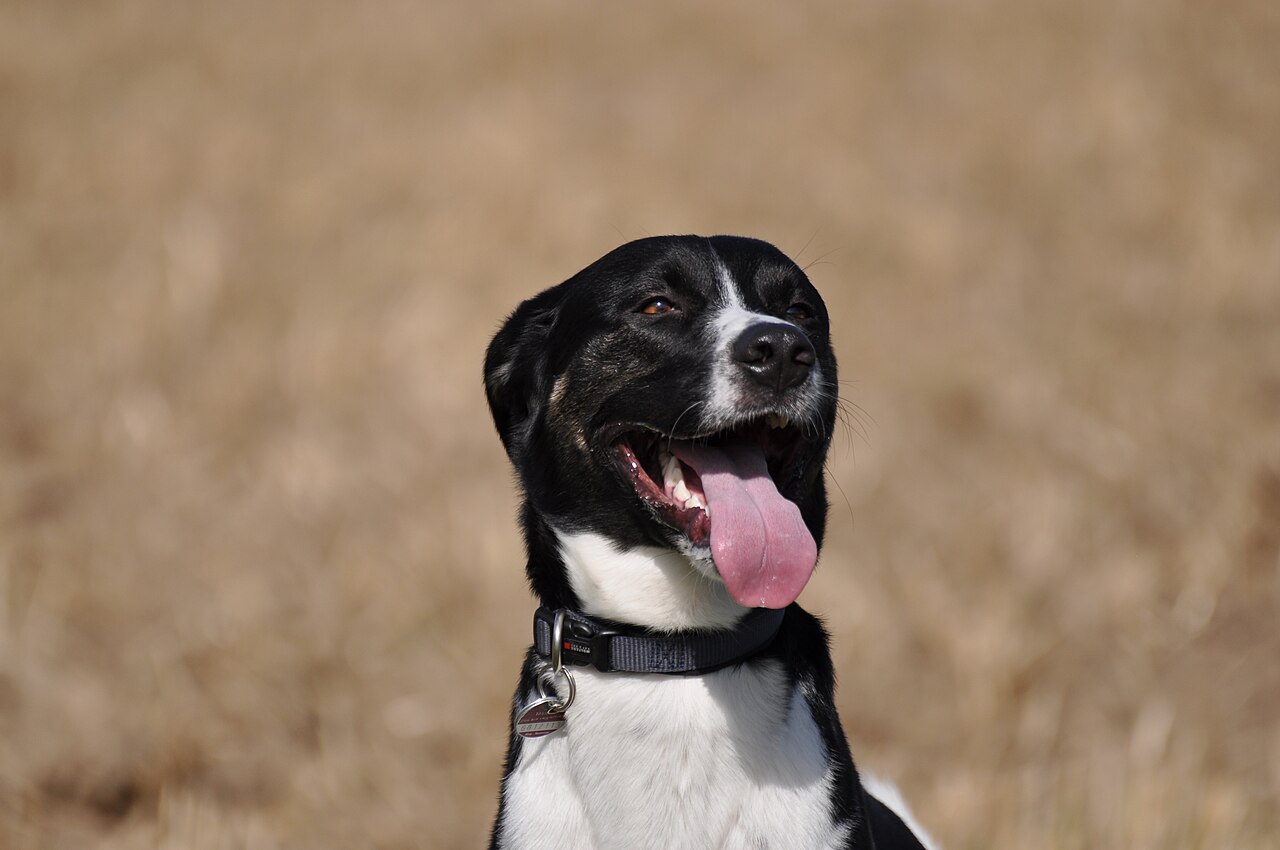
- Why Do Dogs Pant? The Biology of a Built-In Cooling System
- Why the Tongue Comes Out
- Panting vs. Sweating
- How to Tell Normal Panting from Something More Serious
- Measuring a Resting Respiratory Rate
- Why Do Dogs Pant When They're Not Hot? Six Everyday Triggers
- 1. Exercise and Excitement
- 2. Stress, Anxiety, and Fear
- 3. Pain
- 4. Arousal and Anticipation
- 5. Medication and Health Conditions
- 6. Sleep and Dreaming
- Flat-Faced Breeds and Panting: The Brachycephalic Problem
- Size, Coat, and Climate Matter Too
- Heatstroke: When Panting Becomes an Emergency
- Prevention Is Simple
- Practical Ways to Help a Panting Dog Cool Down
- When to Call the Vet About Panting
- The Cooling Truth, Summed Up
- ❓ Frequently Asked Questions
Every dog owner has seen it: after a joyful sprint across the park, a tense thunderstorm, or simply a warm afternoon on the sofa, your dog's mouth drops open, the tongue lolls out, and that familiar rhythmic breathing begins. Understanding why do dogs pant is one of the most practical pieces of knowledge any owner can have, because panting is both a normal, life-saving cooling mechanism and, at times, a signal that something is wrong. This article unpacks the science behind panting, explains how it differs from human sweating, explores the many reasons dogs pant beyond heat, and gives you clear guidance on when heavy panting should send you to the vet.
Why Do Dogs Pant? The Biology of a Built-In Cooling System
Panting is a dog's primary way of regulating body temperature. Unlike humans, who cool down mainly through sweat glands spread across the skin, dogs have very few functional sweat glands on their bodies. Their sweat glands are concentrated in the paw pads and the nose, and while these help a little, they are nowhere near enough to dump the heat generated by a body that may weigh anywhere from a 3-pound Chihuahua to a 180-pound Mastiff.
Instead, dogs rely on the respiratory system as a heat exchanger. When a dog pants, it breathes rapidly and shallowly — typically somewhere between 300 and 400 breaths per minute, compared with a normal resting rate of roughly 10 to 30 breaths per minute depending on the dog's size. This rapid movement of air across the moist surfaces of the mouth, tongue, throat, and nasal passages causes water to evaporate, and evaporation carries heat away with it. The tongue, with its large surface area and rich blood supply, acts almost like a radiator: warm blood flows to the tongue, cools as moisture evaporates from its surface, and circulates back to cool the rest of the body.
Why the Tongue Comes Out
You may have noticed that a hot dog doesn't just pant — it hangs its tongue out and often drapes it over the side of its mouth. This is no accident. Extending the tongue increases the surface area available for evaporation, and the drooping position exposes more of the tongue to moving air. Some dogs also drool while panting, and that extra moisture on the tongue and lips further boosts evaporative cooling. It is an elegant system, refined over thousands of years of domestication and before that, of life as a pursuit predator that had to run down prey in the heat.
Panting vs. Sweating
The trade-off of panting is that it uses water. A panting dog loses significant moisture with every breath, which is why fresh drinking water is essential, especially in summer. A dog that pants heavily without access to water can dehydrate surprisingly quickly. This is also why you should never leave a dog in a parked car, even on a mild 70°F (21°C) day: the interior can climb above 100°F (38°C) within minutes, and a dog's cooling system simply cannot keep up in that environment.
How to Tell Normal Panting from Something More Serious
Not all panting looks the same, and learning to read your dog's panting is a valuable skill. Normal cooling panting tends to be rhythmic, relatively relaxed, and accompanied by a loose, comfortable body posture. The dog may be lying stretched out on a cool floor or seeking shade, and the panting eases within a few minutes of resting in a cooler spot or drinking water.
Abnormal panting, by contrast, often looks different in ways you can learn to recognize:
- Pacing and restlessness: a dog that pants while unable to settle, pacing and unable to lie down comfortably, may be in pain or distress.
- No obvious trigger: panting at rest in a cool room, or panting that starts suddenly without exercise or heat, warrants attention.
- Changes in color: pale, white, or bluish gums alongside panting are an emergency sign.
- Labored breathing: if the effort of breathing is visible in the belly or chest, or the dog's elbows are spread wide to brace itself, seek veterinary help.
- Panting that won't stop: cooling panting should settle within roughly 10 to 15 minutes of rest in a cool place. Panting that continues for an hour or more without explanation is a red flag.
Measuring a Resting Respiratory Rate
Vets often ask owners to count their dog's breathing rate at home. With your dog calm and asleep or resting quietly, count the number of breaths (each rise and fall of the chest counts as one) over 30 seconds and multiply by two. A normal resting rate is generally under 30 breaths per minute for most dogs, though it varies with size — larger dogs tend to breathe more slowly than small ones. A resting rate persistently above 30 to 40 breaths per minute, especially if it is new, is worth a phone call to your vet, as it can be an early sign of heart or lung disease.
Why Do Dogs Pant When They're Not Hot? Six Everyday Triggers
Heat is the obvious answer, but any experienced owner knows dogs pant for many other reasons. Here are the most common non-heat triggers.
1. Exercise and Excitement
A game of fetch, a run alongside a bicycle, or even the sight of the leash can set off panting. Exercise generates heat that must be shed, and excitement triggers a mild stress response that raises heart rate and breathing. A fit Border Collie might pant happily after a 30-minute frisbee session and recover in minutes, while a flat-faced Bulldog may pant heavily after just a short walk — more on that shortly.
2. Stress, Anxiety, and Fear
Dogs pant when they are worried. Thunderstorms, fireworks, car rides, vet visits, and separation from their owner can all produce anxious panting, often accompanied by yawning, lip-licking, pacing, and a tucked tail. If your dog pants every time you pick up your keys, that is anxiety, not heat, and it deserves gentle behavioral support — sometimes with the help of a trainer or your vet.
3. Pain
Pain raises heart rate and breathing rate, so a dog with an injury, dental pain, or abdominal discomfort may pant. Older dogs with arthritis sometimes pant after lying in one position too long. If panting appears alongside reluctance to move, a change in appetite, or a hunched posture, a vet check is wise.
4. Arousal and Anticipation
Intact female dogs in season may pant more, and males in the presence of a female in heat often pant from arousal. Dogs also pant in anticipation — waiting for dinner, watching you prepare for a walk, or greeting a favorite person at the door.
5. Medication and Health Conditions
Some medications, including certain steroids and pain relievers, can increase panting. So can conditions such as Cushing's disease (hyperadrenocorticism), which is common in middle-aged and older dogs and often presents with increased panting, thirst, urination, and a pot-bellied appearance. Obesity also makes panting worse because extra body fat traps heat and makes breathing harder.
6. Sleep and Dreaming
Dogs can pant lightly during REM sleep while dreaming of running or playing. As long as the dog is otherwise healthy and the panting stops on waking, this is generally harmless.
Flat-Faced Breeds and Panting: The Brachycephalic Problem
Some dogs are built in a way that makes panting far less efficient. Brachycephalic breeds — those with short muzzles and flattened faces, such as Pugs, English and French Bulldogs, Boston Terriers, Shih Tzus, and Pekingese — have narrowed airways, elongated soft palates, and compressed nasal passages. Air must squeeze through these restricted routes, so these dogs pant more noisily, more quickly, and with less cooling effect than longer-nosed dogs.
For these breeds, heat is genuinely dangerous. A French Bulldog can overheat on a warm day far faster than a Labrador, and many brachycephalic dogs have a condition called brachycephalic obstructive airway syndrome (BOAS) that worsens with age and weight gain. Owners of flat-faced dogs should walk them in the cool of early morning or evening, avoid vigorous exercise in heat, keep them lean, and watch carefully for snoring, gagging, or blue-tinged gums. Many veterinary specialists recommend airway surgery for severely affected dogs.
Size, Coat, and Climate Matter Too
A thick-coated Husky or Malamute in a hot climate will pant heavily, and that is normal — those breeds evolved for Arctic conditions. Double-coated dogs benefit enormously from regular grooming and shade, and should never be shaved down to the skin, as the coat also insulates against heat. Very small dogs like Chihuahuas and Toy Poodles can overheat quickly because they have a high surface-area-to-body-mass ratio, while giant breeds such as Great Danes and Saint Bernards generate a great deal of internal heat simply by existing.
Heatstroke: When Panting Becomes an Emergency
Heatstroke is the most serious consequence of failed cooling, and it can kill a dog in under an hour. It occurs when a dog's body temperature rises above roughly 104°F to 106°F (40°C to 41°C) and the cooling system can no longer keep pace. Classic scenarios include a dog left in a car, exercised hard in midday summer heat, or a flat-faced breed walked on hot pavement.
Warning signs of heatstroke include:
- Frenzied, heavy panting with a wide-open mouth and a tongue that looks bright red or brick-colored
- Thick, ropey saliva and drooling
- Staggering, weakness, or collapse
- Vomiting or diarrhea
- Confusion, seizures, or unconsciousness
If you suspect heatstroke, move the dog to shade or air conditioning immediately, offer small amounts of cool (not ice-cold) water, and wet the dog's belly, armpits, groin, and paws with cool water while fanning it. Then call your vet or an emergency clinic at once — do not wait to see if the dog improves on its own. Never use ice packs directly on the skin, as extreme cold can constrict blood vessels and actually slow cooling, and never force water into the mouth of a dog that is struggling to breathe.
Prevention Is Simple
Most heatstroke cases are preventable. Walk dogs in the early morning or evening during summer, test pavement with the back of your hand for five seconds (if it's too hot for you, it's too hot for paws), always carry water on outings, provide shade and cool flooring at home, and never, ever leave a dog in a parked car. On hot days, a paddling pool, a damp towel to lie on, and a fan can make a real difference.
Practical Ways to Help a Panting Dog Cool Down
When your dog is panting from heat, there are several effective things you can do:
- Offer cool water in a bowl, but don't force a dog to drink.
- Wet the high-blood-flow areas — the belly, inner thighs, armpits, and paws — with cool water. These areas cool blood quickly.
- Use a fan or air conditioning and encourage the dog to lie in the airflow.
- Provide a cool surface such as tile, a cooling mat, or a damp towel.
- Let the dog rest and avoid further exercise until breathing has returned to normal.
If panting continues despite these measures, or is accompanied by any of the warning signs above, contact your veterinarian.
When to Call the Vet About Panting
As a rule of thumb, call your vet if your dog pants heavily without an obvious cause, if panting is accompanied by coughing, collapse, pale or blue gums, a distended abdomen, or restlessness, or if a dog that normally breathes quietly has developed a new habit of panting at rest. Older dogs who start panting more, drink more, and urinate more should be screened for conditions like Cushing's disease, heart disease, and diabetes. Sudden heavy panting in a dog with a bloated belly can signal gastric dilatation-volvulus (bloat), a life-threatening emergency, especially in deep-chested breeds like Great Danes, Standard Poodles, and German Shepherds.
Your vet may listen to the heart and lungs, check gum color and capillary refill time, take a temperature, and run bloodwork or imaging to find the cause. Early detection makes a real difference in conditions like heart failure and Cushing's, both of which are manageable when caught early.
The Cooling Truth, Summed Up
Panting is one of the most remarkable adaptations in the canine world: a built-in evaporative cooling system that lets dogs run, play, and live alongside humans in a wide range of climates. Most panting is perfectly normal — after exercise, in warm weather, during excitement, or in moments of stress. The key is context. Learn what your dog's normal panting looks like, note how quickly it settles, and watch for the warning signs of heatstroke, pain, or illness. Keep water available, avoid hot cars and hot pavement, and pay extra attention to flat-faced breeds and older dogs. With that knowledge, you can enjoy all those happy, tongue-lolling moments knowing exactly what your dog's body is doing — and when to step in.
❓ Frequently Asked Questions
💬 Is panting always normal in dogs?
Panting is normal after exercise, in heat, or when excited, but heavy panting at rest, especially with other signs like lethargy or collapse, can signal heatstroke, pain, or illness and needs a vet. Watch for panting that's sudden, prolonged, or paired with distress.
💬 Why do dogs pant so much in hot weather?
Dogs have few sweat glands, mainly on their paw pads, so panting is their primary way to cool down by evaporating moisture from the mouth and lungs. On hot days they pant more to regulate body temperature, which is why shade and water are essential.
💬 Can panting be a sign of pain or anxiety?
Yes, dogs may pant when stressed, anxious, or in pain, even in cool conditions. If panting appears with pacing, restlessness, trembling, or a change in behavior, it's worth checking with your vet.
💬 When should I worry about my dog's panting?
Seek veterinary help if panting is sudden and severe, doesn't settle after rest, or comes with symptoms like drooling, pale gums, collapse, or labored breathing. These can indicate heatstroke, heart or respiratory problems, or other emergencies.